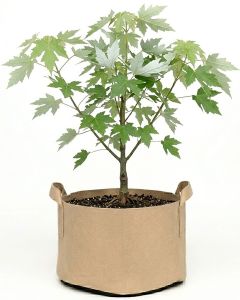
How to Grow Spicy Pepper Plants in Fabric Pots: A Beginner's Guide in Choosing the Right Size Pots
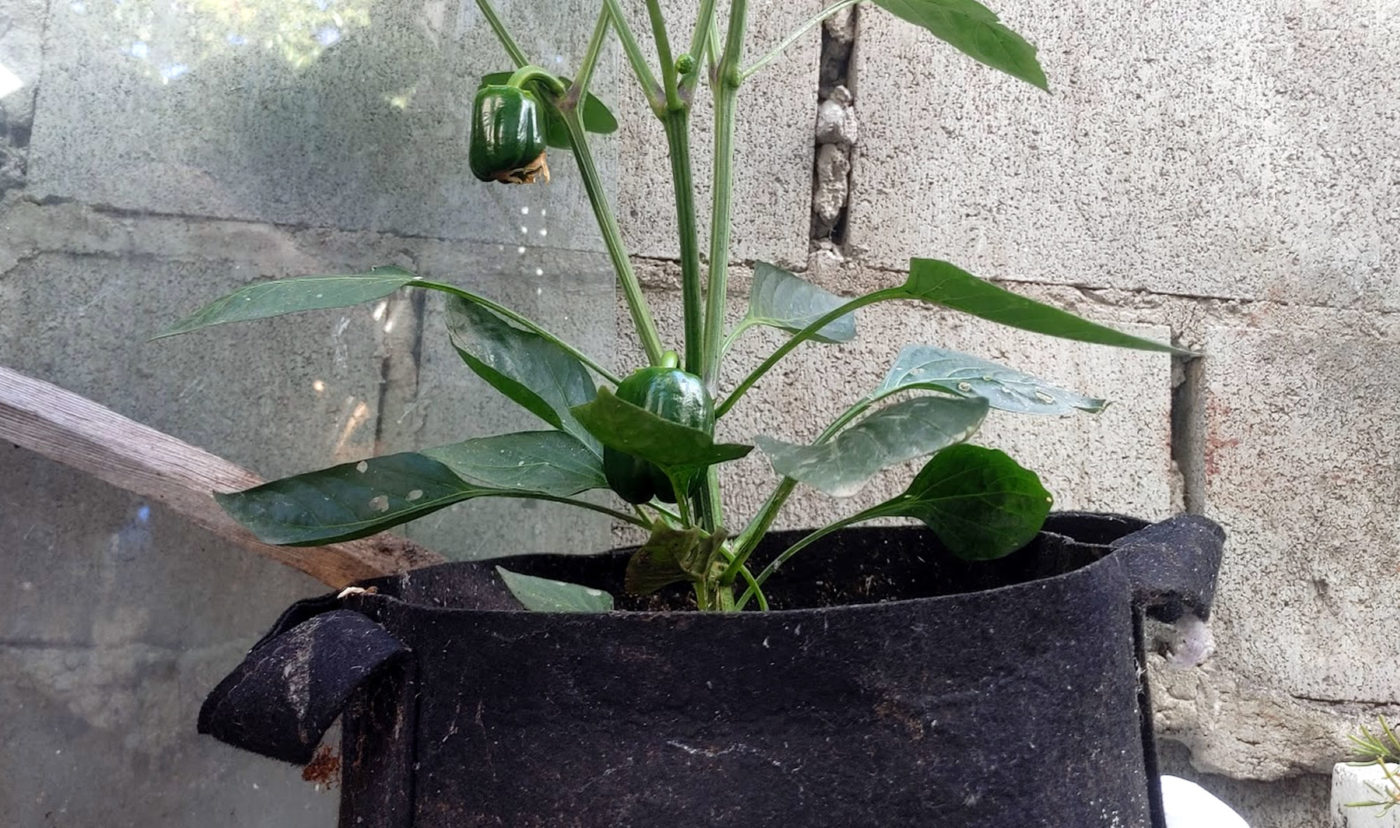
There's nothing quite like harvesting your own spicy peppers. Whether you enjoy mild jalapeños, fiery habaneros, or scorching ghost peppers, growing peppers in fabric pots is one of the easiest and most rewarding ways to start gardening. Even if you have only a small patio, balcony, or backyard, fabric pots provide an ideal growing environment while making plant care simple for beginners.
With the right container, plenty of sunshine, and a few simple growing techniques, you'll be harvesting healthy, flavorful peppers all season long.
Why Fabric Pots Are Great for Growing Peppers
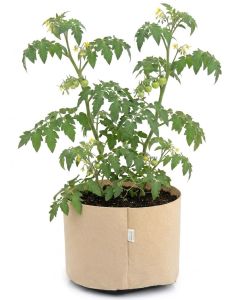
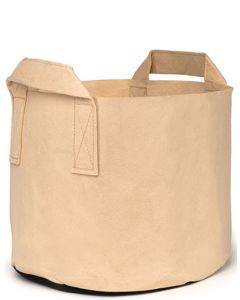
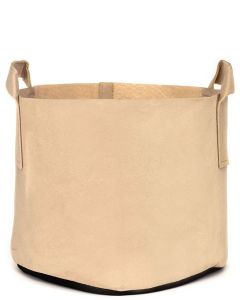
Unlike traditional plastic pots, fabric pots are designed to create healthier root systems through improved airflow and drainage. When roots reach the edge of the breathable fabric, they naturally air-prune instead of circling around the container. This encourages the plant to develop a dense network of feeder roots that absorb water and nutrients more efficiently.
Additional benefits include:
- Excellent drainage to reduce the risk of root rot
- Improved airflow around the root zone
- Healthier root development through air pruning
- Cooler root temperatures during hot weather
- Lightweight and easy to move to the sunniest location
- Ideal for patios, balconies, decks, and small gardens
For pepper plants, these advantages often translate into stronger growth, healthier plants, and larger harvests.
Choosing the Right Fabric Pot Size
Selecting the correct container size gives your pepper plants enough room to establish healthy roots and produce abundant fruit.
1/2-Gallon Fabric Pot
Perfect for:
- Starting pepper seedlings
- Growing young plants before transplanting
Once seedlings become established, transplant them into a larger container for continued growth.
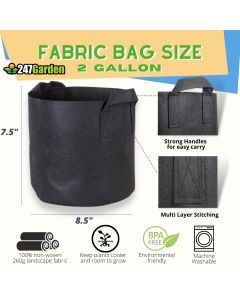
2-Gallon Fabric Pot
Best for:
- Thai chili peppers
- Ornamental peppers
- Small cayenne varieties
- Compact patio gardens
These smaller pots are ideal when space is limited.
3-Gallon Fabric Pot
Recommended for:
- Jalapeños
- Serranos
- Fresno peppers
- Anaheim peppers
A 3-gallon pot provides enough room for medium-sized pepper plants while remaining easy to move around.
5-Gallon Fabric Pot
The best all-around choice for beginners.
Ideal for:
- Jalapeños
- Serranos
- Cayenne peppers
- Thai peppers
- Banana peppers
A 5-gallon pot offers an excellent balance between root space, moisture retention, portability, and productivity. If you're unsure which size to buy, this is the safest choice for most pepper varieties.
7-Gallon Fabric Pot
Recommended for:
- Habaneros
- Scotch Bonnets
- Large jalapeño plants
- Long-season pepper production
The extra root space supports larger plants and can lead to heavier harvests.
10-Gallon Tall Fabric Pot
Perfect for:
- Ghost peppers
- Carolina Reapers
- Trinidad Scorpions
- Other vigorous or super-hot pepper varieties
The taller profile provides additional root depth, making it ideal for gardeners looking to maximize plant size and production.
Starting with Healthy Soil
Peppers perform best in a loose, well-draining potting mix. Fill your fabric pot with a high-quality potting soil designed for containers rather than using garden soil, which can become compacted and limit root growth.
Good drainage is one of the biggest advantages of fabric pots, but it starts with the right growing medium.
Give Your Peppers Plenty of Sunshine
Hot peppers thrive in warm weather.
For the healthiest plants, provide:
- 8 to 10 hours of direct sunlight each day
- Warm daytime temperatures
- Good airflow around the plants
The more sunlight your peppers receive, the better they'll grow and the more productive they'll become.
Watering the Right Way
One of the most common beginner mistakes is watering too frequently.
Instead:
- Water deeply until water drains through the fabric pot.
- Allow the top inch or two of soil to dry before watering again.
- Avoid keeping the soil constantly wet.
Because fabric pots are breathable, they naturally drain excess moisture and dry more quickly than plastic containers. During hot summer weather, check soil moisture daily.
Fertilize Throughout the Season
Peppers are moderate feeders.
Feed every two to three weeks using a balanced fertilizer. Once flowers begin forming, switching to a fertilizer with slightly higher phosphorus and potassium can encourage flowering and fruit production.
Avoid excessive nitrogen, which encourages leafy growth instead of peppers.
How to Grow Hotter Peppers
Many gardeners notice that a few growing practices can help maximize pepper heat.
Let Peppers Fully Mature
Resist harvesting peppers too early.
Many jalapeños and other hot peppers continue developing flavor and heat as they mature. Some varieties become noticeably hotter once they begin changing from green to red.
Don't Overwater
After plants are well established, allowing the soil to dry moderately between waterings can create mild drought stress. Many gardeners have found that this may encourage peppers to produce more capsaicin—the natural compound responsible for their heat.
Avoid letting plants remain severely wilted for long periods. Moderate stress is enough.
Watch for Corking
Jalapeños sometimes develop small tan lines or cracks on their skin, known as corking.
Many experienced pepper growers associate corking with mature peppers that have developed excellent flavor and often increased heat.
Heat Loves Heat
Peppers naturally thrive in hot summer conditions. Warm temperatures combined with full sun often produce healthier plants and more flavorful peppers.
Why Aren't My Jalapeños Spicy?
If your peppers taste surprisingly mild, several factors could be responsible:
- Harvesting them too early
- Frequent watering
- Cool weather during fruit development
- Too little direct sunlight
- Naturally mild genetics
- Growing a heatless jalapeño variety, such as Nadapeño, Coolapeño, or certain TAM-type cultivars
It's also common for peppers harvested later in the summer to be hotter than the first fruits of the season.
Harvesting Your Peppers
Harvest peppers with clean scissors or pruning shears to avoid damaging the plant.
You can harvest:
- Green peppers for a crisp, fresh flavor
- Fully ripened red peppers for sweeter flavor and, in many varieties, increased heat
Regular harvesting also encourages the plant to continue producing throughout the growing season.
Recommended 247Garden Fabric Pots for Pepper Plants
For beginners, these are excellent choices:
- 1/2-Gallon – Starting pepper seedlings
- 2-Gallon – Thai chilies, ornamental peppers, and compact varieties
- 3-Gallon – Jalapeños, serranos, Fresno, and Anaheim peppers
- 5-Gallon – The best overall size for most pepper varieties
- 7-Gallon – Habaneros, Scotch Bonnets, and larger pepper plants
- 10-Gallon Tall – Ghost peppers, Carolina Reapers, Trinidad Scorpions, and maximum production
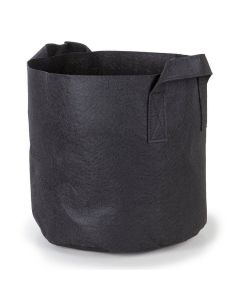
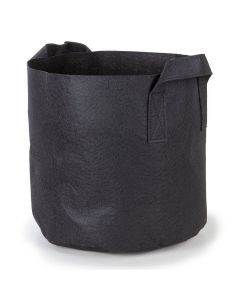
247Garden Aeration Fabric Pots are made from breathable, BPA-free nonwoven fabric that promotes healthy root development, excellent drainage, and vigorous plant growth. Whether you're growing one pepper plant on a balcony or an entire container garden on your patio, there's a size to fit your needs.
Final Thoughts
Growing spicy peppers doesn't require a large garden or years of experience. With quality potting soil, plenty of sunshine, proper watering, and the right fabric pot, even first-time gardeners can enjoy a productive harvest.
For most beginners, the 247Garden 5-Gallon Aeration Fabric Pot is the ideal starting point, offering the perfect balance of root space, drainage, and ease of care. Gardeners looking to grow larger or super-hot varieties can move up to the 7-Gallon or 10-Gallon Tall pots for even greater root development and higher yields.
With a little patience and consistent care, you'll soon be harvesting fresh, homegrown peppers that are full of flavor—and, if that's your goal, plenty of heat.
-
-
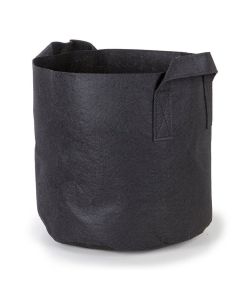
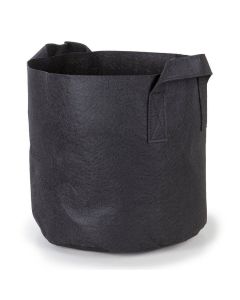 247Garden 3-Gallon Aeration Fabric Pot/Plant Grow Bag w/Handles (Black 9H x 10D)Special Price $0.75 Regular Price $1.24155067 in stock
 -
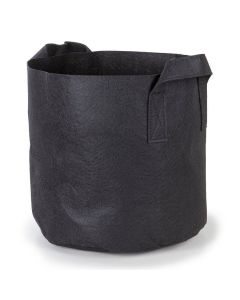 247Garden 5-Gallon Aeration Fabric Pot/Plant Grow Bags w/Handles (Black 10H x 12D)$1.4937938 in stock
 -
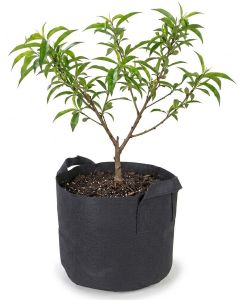 247Garden 10-Gallon Aeration Fabric Pot/Plant Grow Bag w/Handles (Black 13H x 15D)Special Price $2.25 Regular Price $2.4831526 in stock
 -
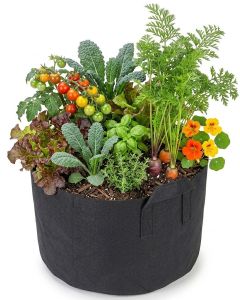 247Garden 15-Gallon Aeration Fabric Pot/Plant Grow Bag w/Handles (Black 14.5H x 17D)Special Price $2.75 Regular Price $2.99112956 in stock
 -
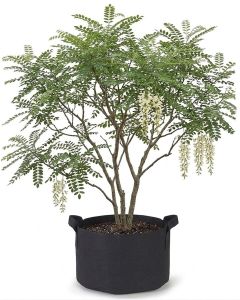 247Garden 20-Gallon Aeration Fabric Pot/Plant Grow Bag w/Handles (Black 16H x 19D)Special Price $2.99 Regular Price $3.4892269 in stock
 -
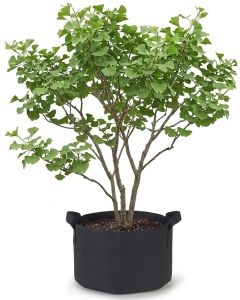 247Garden 25-Gallon Aeration Fabric Pot/Plant Grow Bag w/Handles (Black 16.5H x 21D)Special Price $3.49 Regular Price $3.9932677 in stock
 -
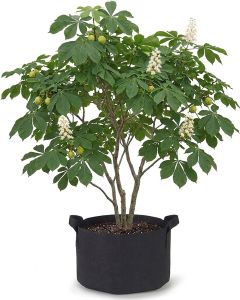 247Garden 30-Gallon Aeration Fabric Pot/Plant Grow Bag w/Handles (Black 15.5H x 24D)$4.6837783 in stock
 -
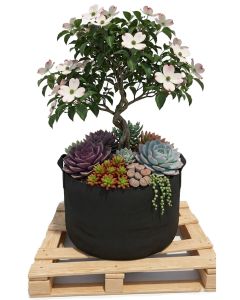 247Garden 40-Gallon Aeration Fabric Pot/Plant Grow Bag w/Handles (Black 17H x 26.5D)Special Price $4.50 Regular Price $4.9914639 in stock
 -
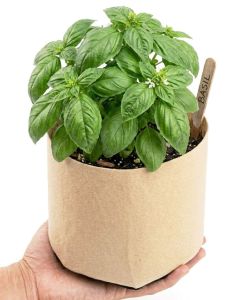 247Garden 1-Gallon Basic Aeration Tan Fabric Pot/Plant Grow Bag (200GSM BPA-Free Fabric, 6H x 7D)$0.690 in stockOut of stock
 -
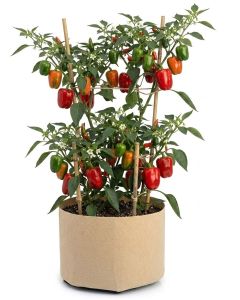 247Garden 3-Gallon Basic Aeration Tan Fabric Pot/Plant Grow Bag (200GSM BPA-Free Fabric, 9H x 10D)$0.990 in stockOut of stock
 -
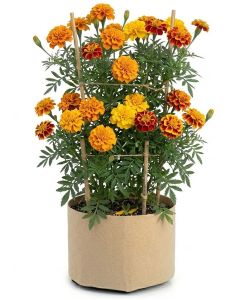 247Garden 4-Gallon Basic Aeration Tan Fabric Pot/Plant Grow Bag (200GSM BPA-Free Fabric, 10H x 11D)$1.080 in stockOut of stock
 -
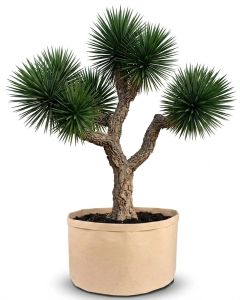 247Garden 20-Gallon Basic Aeration Tan Fabric Pot/Plant Grow Bag (200GSM BPA-Free Fabric, 16H x 19D)$2.600 in stockOut of stock
 -
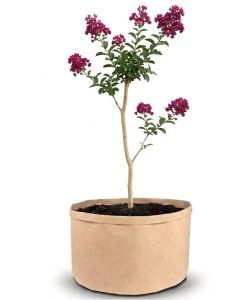 247Garden 25-Gallon Basic Aeration Tan Fabric Pot/Plant Grow Bag (200GSM BPA-Free Fabric, 16.5H x 21D)$2.740 in stockOut of stock
 -
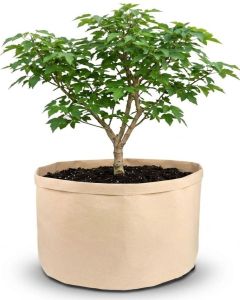 247Garden 30-Gallon Basic Aeration Tan Fabric Pot/Plant Grow Bag (200GSM BPA-Free Fabric, 15.5H x 24D)$3.150 in stockOut of stock
 -
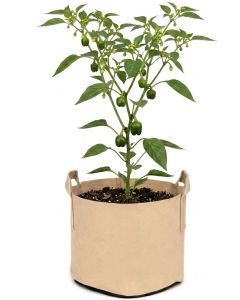 247Garden 5-Gallon Aeration Fabric Pot/Plant Grow Bag w/Handles (Tan w/Black Base 10H x 12D)$1.580 in stockOut of stock
 -
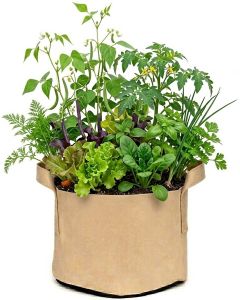 247Garden 7-Gallon Aeration Fabric Pot/Plant Grow Bag w/Handles (Tan w/Black Base 12H x 13D)$1.880 in stockOut of stock
 -
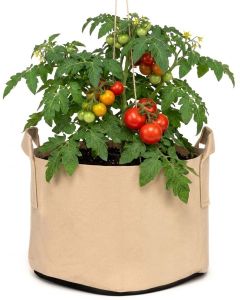 247Garden 10-Gallon Aeration Fabric Pot/Plant Grow Bag w/Handles (Tan w/Black Base 13H x 15D)$2.750 in stockOut of stock
 -
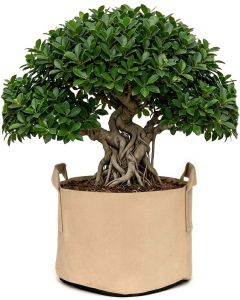 247Garden 15-Gallon Aeration Fabric Pot/Plant Grow Bag w/Handles (Tan w/Black Base 14.5H x 17D)Special Price $2.75 Regular Price $3.4312257 in stock
 -
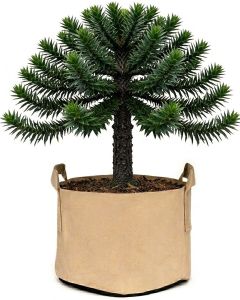 247Garden 30-Gallon Aeration Fabric Pot/Plant Grow Bag w/Handles (Tan w/Black Base 15.5H x 24D)$4.680 in stockOut of stock
 -
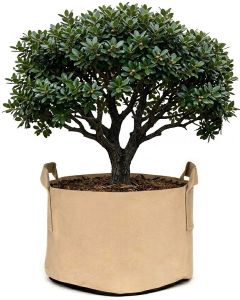 247Garden 40-Gallon Aeration Fabric Pot/Plant Grow Bag w/Handles (Tan w/Black Base 17H x 26.5D)Special Price $4.79 Regular Price $5.994694 in stock
 -
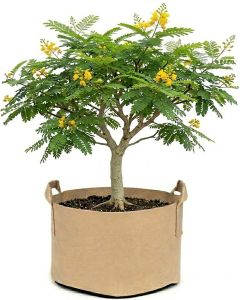 247Garden 50-Gallon Eco-Friendly Aeration Fabric Pot/Plant Grow Bag w/Handles (300GSM Tan w/Black Base 17H x 31D)Special Price $6.39 Regular Price $7.991005 in stock