How to Fill Grow Bags to Grow Fresh Vegetables - A Beginner-Friendly Guide for 247Garden Aeration Fabric Pots
Starting a vegetable garden with grow bags is one of the easiest and most rewarding ways to grow fresh food at home. Whether you’re planting tomatoes, peppers, cucumbers, beans, or herbs, fabric grow bags provide excellent drainage, strong root aeration, and flexibility for patios, balconies, backyards, and small-space gardening.
If you’re new to grow bags, the biggest question is usually:
What should I fill them with?
The good news is that it’s simple once you understand the basics.
Why Grow Bags Work So Well
247Garden grow bags are designed to:
- improve root airflow
- reduce root circling
- drain excess water efficiently
- keep roots healthier than many plastic containers
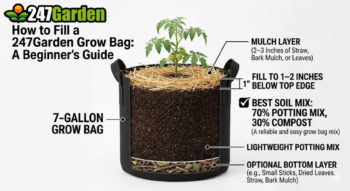
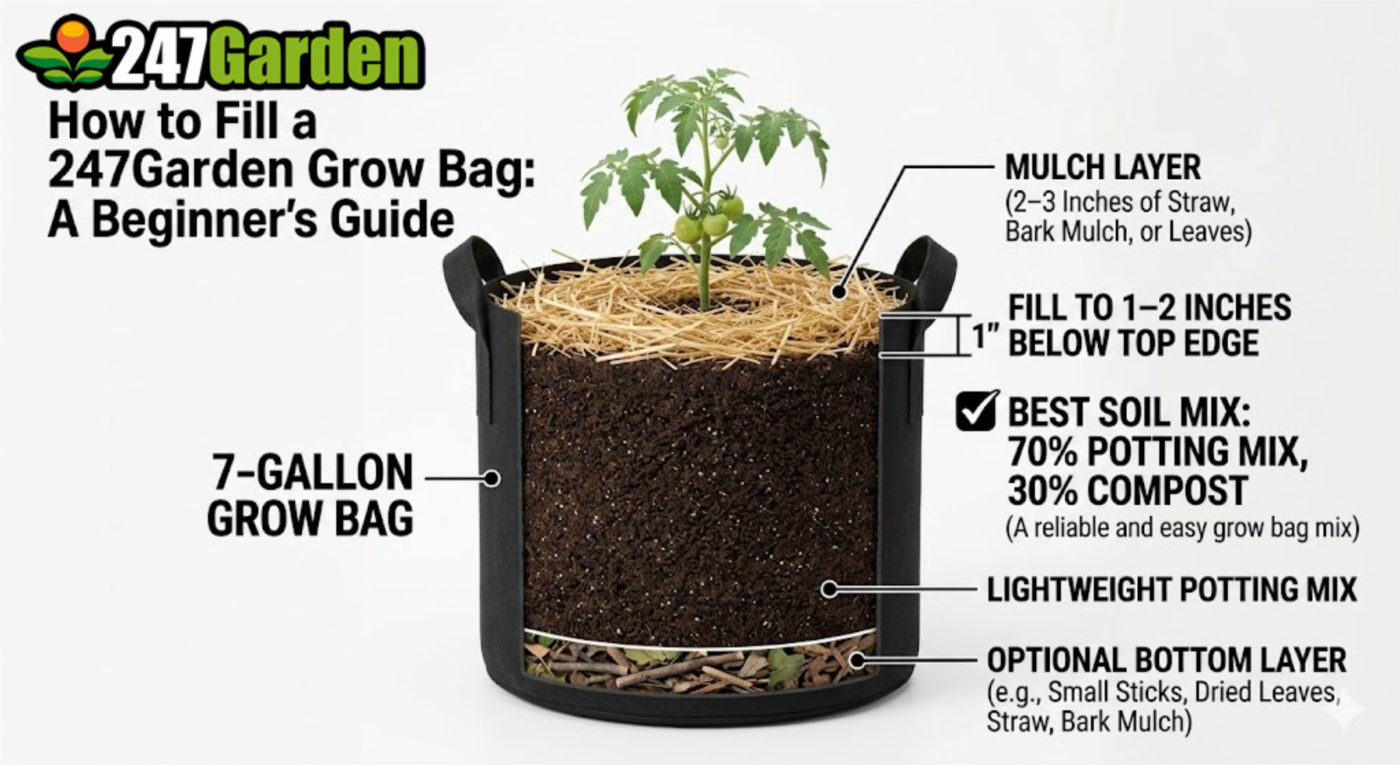
A 7-gallon grow bag is an excellent all-purpose size for beginner vegetable gardening.
Great choices for 7-gallon bags include:
- tomatoes
- peppers
- eggplant
- cucumbers
- potatoes
- zucchini
- herbs
The Most Important Rule: Use Potting Mix
One of the most common mistakes beginners make is filling grow bags with:
- garden soil
- topsoil
- heavy raised bed soil
These materials become compacted inside fabric containers and can cause:
- poor drainage
- root rot
- slow growth
- nutrient problems
Instead, use a lightweight potting mix or container mix.
Best Soil Mix for Grow Bags
Simple Beginner Mix
A reliable and easy grow bag mix is:
- 70% potting mix
- 30% compost
This combination provides:
- good drainage
- moisture retention
- organic nutrients
- better root growth
You can also mix in:
- worm castings
- aged compost
- organic fertilizer
for additional nutrients.
Advanced Grow Bag Mix
For gardeners who want even lighter and more moisture-balanced soil, try:
- 2 parts coco coir
- 1 part compost
- 1 part perlite
- 1 part vermiculite
This type of mix:
- stays airy
- drains extremely well
- reduces compaction
- helps roots spread faster
It’s especially useful in hot climates where grow bags dry quickly.
Optional Bottom Layer Trick
Many experienced grow bag gardeners add a thin bottom layer of:
- small sticks
- dried leaves
- straw
- bark mulch
Benefits include:
- improved moisture control
- reduced soil cost
- added organic matter over time
The wood material acts like a sponge and slowly breaks down naturally.
Avoid making the layer too thick. The majority of the grow bag should still be quality potting mix.
How Full Should Grow Bags Be?
Fill the grow bag until the soil is:
- about 1–2 inches below the top edge
After watering, the soil will settle slightly.
Leaving space at the top helps:
- prevent overflow
- make watering easier
- allow room for mulch
Always Add Mulch
Mulch is one of the most important parts of successful grow bag gardening.
Add 2–3 inches of:
- straw
- bark mulch
- wood chips
- dried leaves
on top of the soil.
Mulch helps:
- reduce evaporation
- keep roots cooler
- prevent soil hardening
- reduce watering frequency
Keep mulch about 1 inch away from plant stems to prevent rot.
Fertilizer Matters in Grow Bags
Vegetables grown in containers use nutrients quickly.
Many gardeners find that plain potting mix alone is not enough after a few weeks.
Good options include:
- balanced organic fertilizer
- compost
- worm castings
- slow-release granular fertilizer
- water-soluble fertilizer
For heavy feeders like tomatoes and peppers, regular feeding makes a huge difference.
Watering Tips for Grow Bags
Fabric grow bags dry faster than plastic pots because the sides breathe.
To keep plants healthy:
- water deeply
- check soil moisture daily during hot weather
- mulch heavily
- avoid letting the soil fully dry out
In summer heat, some grow bags may need watering once or even twice daily.
How Much Soil Does a 7-Gallon Grow Bag Need?
A typical 7-gallon grow bag uses:
- about 1 cubic foot of potting mix
This makes planning soil purchases much easier.
Final Tips for SuccessFor the easiest beginner setup:
Use a quality potting mix
- Mix in compost or fertilizer
- Fill bags nearly to the top
- Add thick mulch
- Water consistently
- Feed plants regularly
That simple process will give your vegetables a strong start and help produce healthier plants all season long.
Grow Better with 247Garden Grow Bags
247Garden Grow Bags are designed for home gardeners who want:
- healthier roots
- excellent drainage
- reusable fabric containers
- better airflow
- easy patio and backyard growing
Whether you’re starting your first vegetable garden or expanding your container setup, grow bags are one of the simplest ways to grow productive, healthy plants almost anywhere.
-
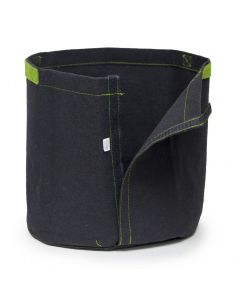 247Garden 7-Gallon Transplanter Fabric Pot w/Velcro Closure & Short Green Handles (Black 12H x 13D)$2.040 in stockOut of stock
 -
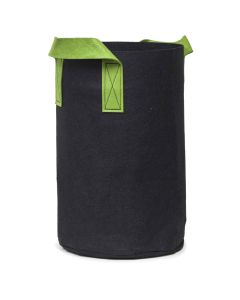 247Garden 7-Gallon Tall Aeration Fabric Pot/Tree Grow Bag (Black w/Green Handles 17H x 11D)$2.250 in stockOut of stock
 -
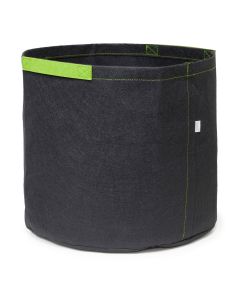 247Garden 7-Gallon Aeration Fabric Pot/Grow Bag w/Short Green Handles (Black 12H x 13D)$1.590 in stockOut of stock
 -
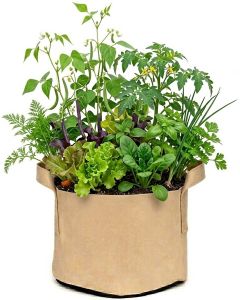 247Garden 7-Gallon Aeration Fabric Pot/Plant Grow Bag w/Handles (Tan w/Black Base 12H x 13D)$1.880 in stockOut of stock
 -
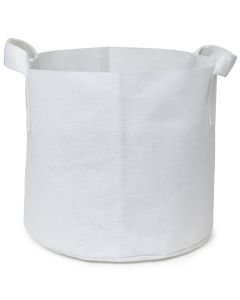 247Garden 7-Gallon Aeration Fabric Pot/Planting Grow Bag w/Handles (White 12H x 13D)$1.880 in stockOut of stock
 -
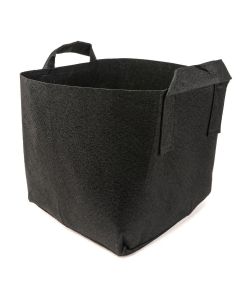 247Garden 7-Gallon Square Aeration Fabric Pot Planting Grow Bag w/Handles (Black 12.5 x 12.5 x 10.5)$1.950 in stockOut of stock
 -
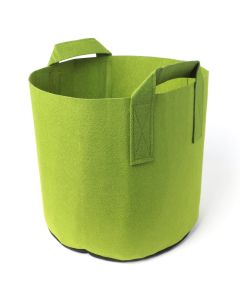 247Garden 7-Gallon Green Aeration Fabric Pot/Plant Grow Bag w/Handles 260GSM 12H x 13D$2.220 in stockOut of stock
 -
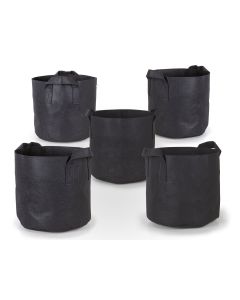 247Garden 7-Gallon Black Planters Grow Bags Aeration Fabric Pots w/Handles (12H x 13D) 5-Pack$19.95Free USA Shipping
 -
-
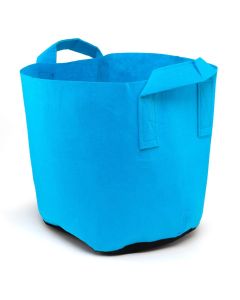 247Garden 7-Gallon Blue Aeration Fabric Pot/Plant Grow Bag w/Handles + Black Base 12H x 13D$2.050 in stockOut of stock
 -
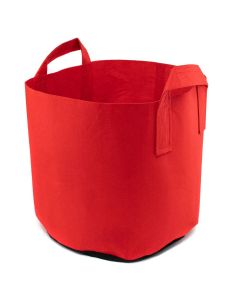 247Garden 7-Gallon Red Aeration Fabric Pot/Plant Grow Bag w/Handles + Black Base 12H x 13D$2.050 in stockOut of stock
 -
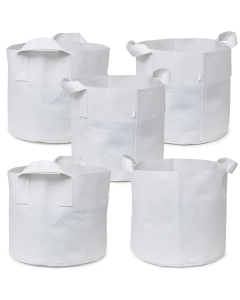 247Garden 7-Gallon Aeration Fabric Pot/Planting Grow Bag w/Handles (White 12H x 13D) 5-Pack$17.95Free USA ShippingOut of stock
 -
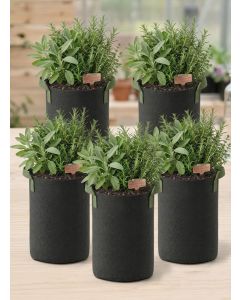 247Garden 7-Gallon Tall Aeration Fabric Pot/Tree Grow Bag (Black w/Green Handles 17H x 11D) 5-Pack w/Free Shipping USA$22.95Free USA ShippingOut of stock
 -
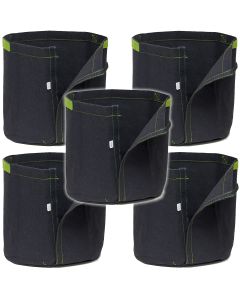 247Garden 7-Gallon Transplanter Fabric Pot w/Velcro Closure & Short Green Handles (Black 12H x 13D) 5-Pack$18.95Free USA ShippingOut of stock
 -
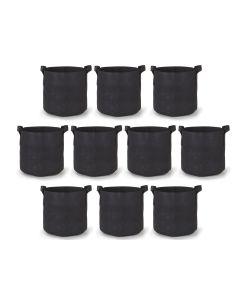 247Garden 7-Gallon Black Planters Grow Bags Aeration Fabric Pots w/Handles (12H x 13D) 10-Pack$29.95Free USA Shipping
 -
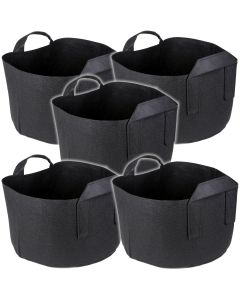 247Garden 7-Gallon Short Aeration Fabric Pot/Vegetable Grow Bag w/Handles (Black 9H x 15D) 5-Pack$17.95Free USA Shipping
 -
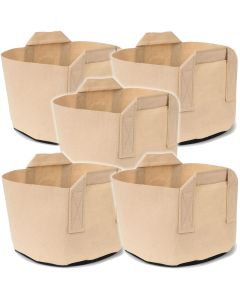 247Garden 7-Gallon Shorty Plant Grow Bags/Aeration Fabric Pots w/Handles (Tan 9H x 15D) 5-Pack$17.95Free USA ShippingOut of stock
 -
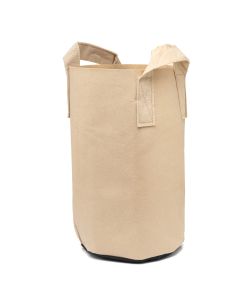 247Garden 7-Gallon Tall Aeration Fabric Pot/Tree Grow Bag (Tan w/ Handles and Black Base, 17H x 11D)$2.490 in stockOut of stock
 -
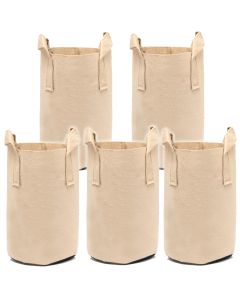 247Garden 7-Gallon Tall Aeration Fabric Pot/Tree Grow Bag (Tan w/Handles 17H x 11D) 5-Pack$18.95Free USA ShippingOut of stock
 -
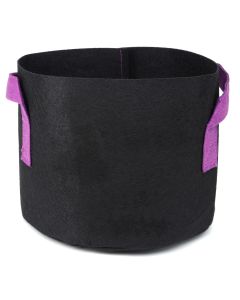 247Garden 7-Gallon Black Aeration Grow Bag/Fabric Pot w/Short Purple Handles (Black 12H x 13D)$1.590 in stockOut of stock
 -
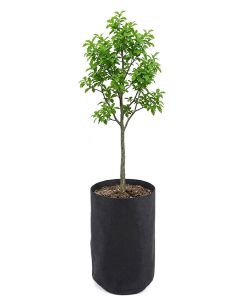 247Garden 7-Gallon Basic Tall Fabric Pot/Aeration Plant Grow Bag 200GSM Black 17H x 11D$1.590 in stockOut of stock
 -
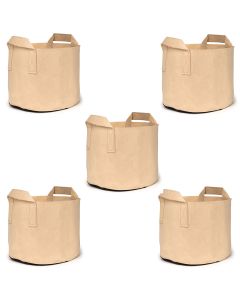 5-Pack 7-Gallon 247Garden Tan Aeration Grow Bags 260GSM w/Handles$17.95Free USA ShippingOut of stock
 -
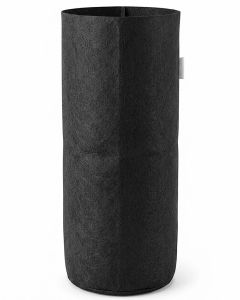 247Garden 7-Gallon Skinny Tall Black Fabric Pot/Deep Aeration Plant Grow Bag 10D x 20.5H$1.250 in stockOut of stock
 -
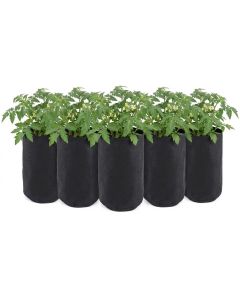 5-Pk 7-Gallon Basic Tall Fabric Pots/Grow Bags 200GSM Black 15H x 10D$16.95Free USA ShippingOut of stock
 -
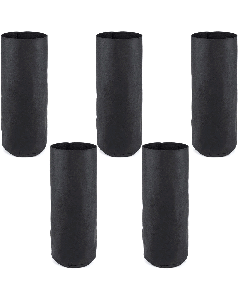 5-Pk 7-Gallon Skinny Tall Black Fabric Pots/Deep Aeration Plant Grow Bags 10D x 20.5H$16.95Free USA ShippingOut of stock
 -
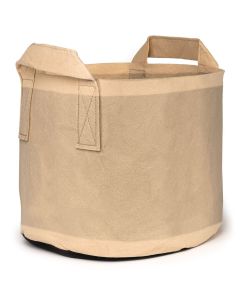 247Garden 7-Gallon Moisture Retention/Worm Grow Bags w/Handles, Tan w/Black Base 12H x 13DSpecial Price $1.99 Regular Price $2.990 in stockOut of stock
 -
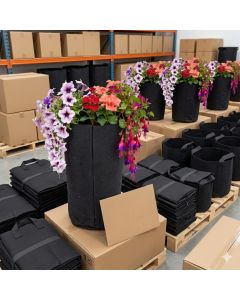 Wholesale 160PC/BOX 7-Gallon Skinny Tall Black Fabric Pots/Deep Aeration Plant Grow Bags 10D x 20.5H$219.00Free Shipping for USA Mainland OnlyOut of stock
 -
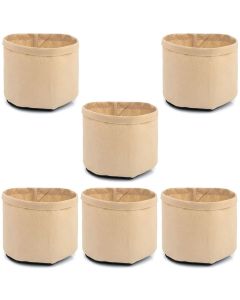 6-PK 7-Gallon 247Garden Basic Aeration Tan Grow Bags 200GSM BPA-Free Fabric Pots 12H x 13D$15.95Free USA Shipping
 -