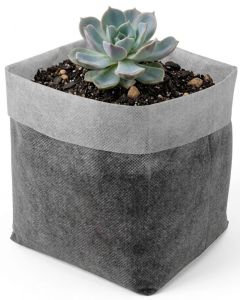
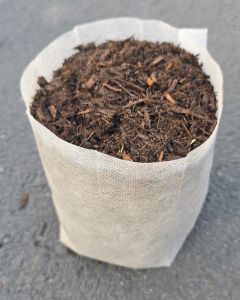
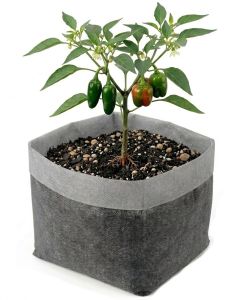
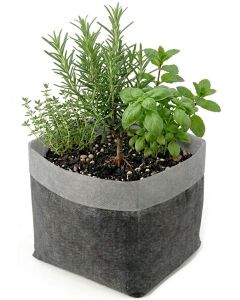
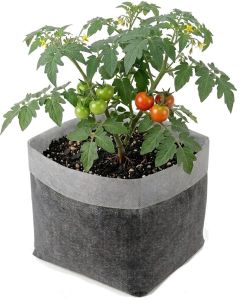
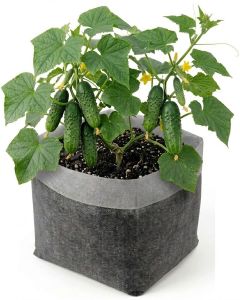
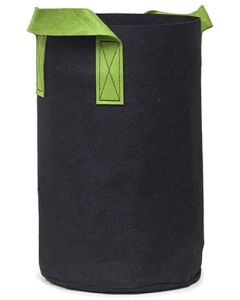
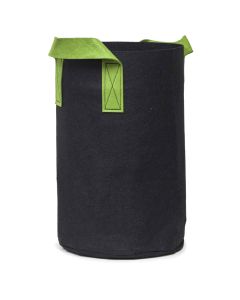
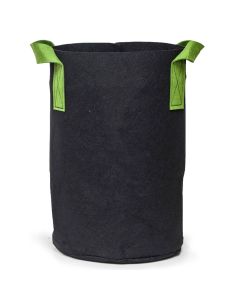
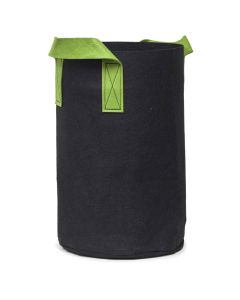
The Science of Air-Pruning: What Happens Inside a 247Garden Fabric Pot?
In our previous post, we looked at why a weathered, green, and white exterior on a fabric grow bag is a sign of a thriving garden. But while the outside of the bag tells a story of great drainage and breathability, the real magic is happening beneath the soil.
If you want to understand why switching to 247Garden Aeration Fabric Pots leads to faster growth and heavier yields, you have to look at the root zone. It all comes down to a botanical process called air-pruning. Here is the science behind what is actually happening inside the bag.
The Problem with Plastic Pots: Root Circling
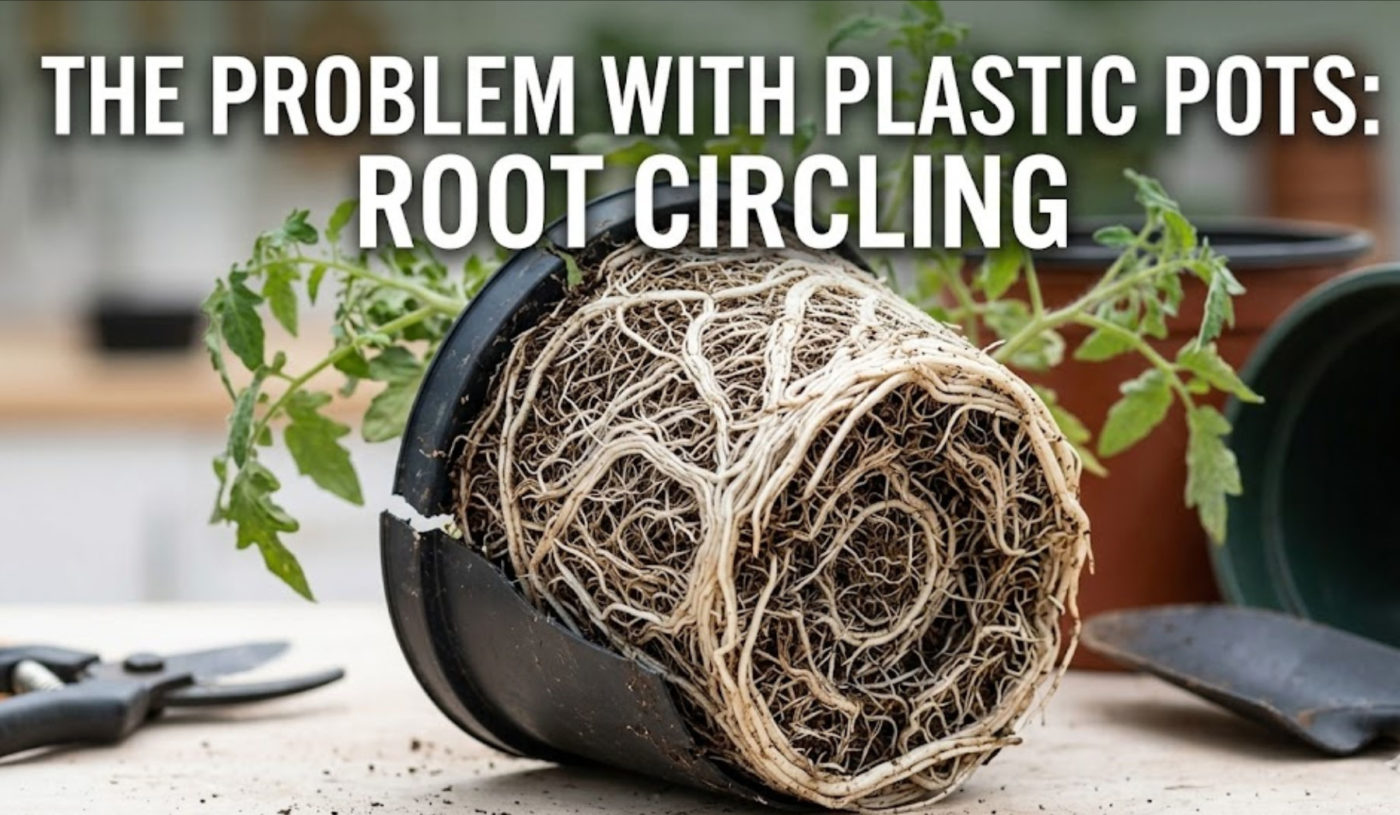
To understand the benefits of air-pruning, it helps to look at the alternative. When you grow a plant in a standard, solid plastic container, the roots grow outward until they hit the impenetrable plastic wall.
With nowhere else to go, the roots follow the path of least resistance: they begin to spiral downward and circle the bottom of the pot. Over time, this creates a tangled, choked mass of roots. A "root-bound" plant struggles to absorb water and nutrients efficiently, leading to stunted growth, nutrient lock-out, and a much higher risk of root rot due to poor oxygen flow.
The Solution: How Air-Pruning Works
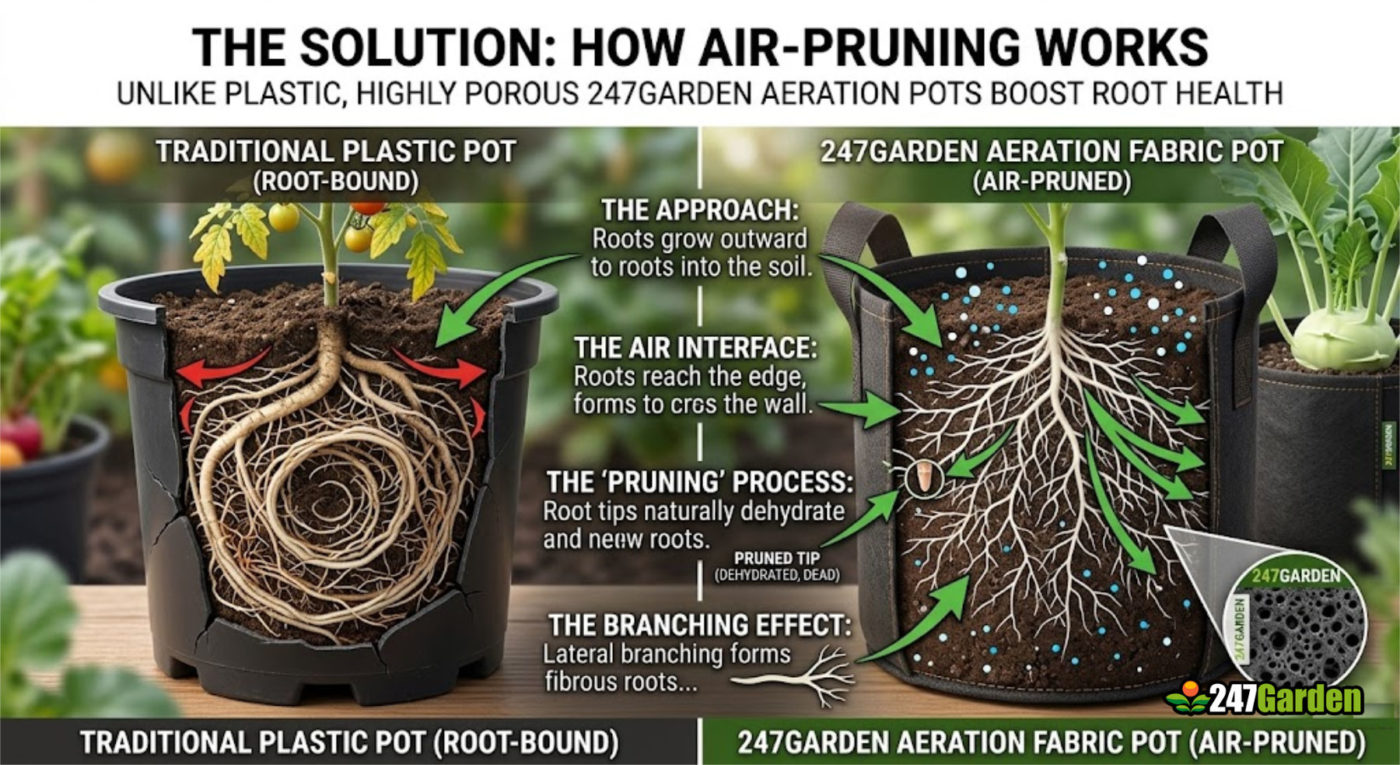
Unlike plastic, the material used in 247Garden Aeration Pots is highly porous. This breathability completely changes how a plant’s root system behaves.
- The Approach: Just like in a plastic pot, the taproots grow outward through the soil matrix in search of water and nutrients.
- The Air Interface: Instead of hitting a solid wall, the roots reach the edge of the fabric and are exposed to the open air.
- The "Pruning" Process: Root tips cannot grow in dry air. When the very tip of the root is exposed to the oxygen outside the bag, it naturally dehydrates and dies off. This sounds bad, but it is exactly what you want.
- The Branching Effect: When that single root tip is "pruned" by the air, the plant responds by forcing that root to branch out laterally behind the pruned tip. One root becomes three; three roots become nine, and so on.
More Roots, More Fruits
Because of this continuous cycle of reaching the edge, pruning, and branching, your plant develops a massive, highly fibrous root structure that fills the entire volume of the soil.
Instead of a few long, thick roots coiled at the bottom of a plastic bucket, a plant in an aeration pot creates millions of tiny feeder roots. This dense web acts like a sponge, exponentially increasing the plant’s surface area for water and nutrient uptake. The more efficiently your plant can eat and drink, the faster it grows above ground.
Built for Any Scale
The mechanics of air-pruning apply to every stage of a plant's life. This is why standardizing your garden's infrastructure around aeration fabric makes a significant difference as you scale up.
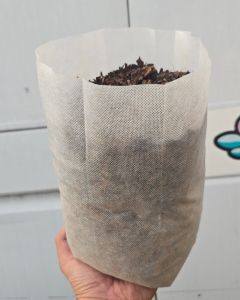
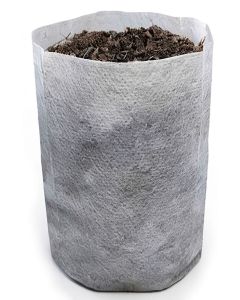
Starting a clone or seedling in a 1/4-gallon starter pot ensures that the initial root structure is incredibly dense from day one, preventing transplant shock. When that plant is eventually moved into its final home—whether that is a standard 5-gallon bag for a patio grow or a massive 200-gallon fabric bed for commercial canopies—the air-pruning process simply scales up with it, ensuring the soil is fully utilized edge-to-edge.
The Bottom Line
Your plants are only as healthy as their root systems. By ditching solid walls and allowing oxygen to do the pruning naturally, you are setting your crop up for optimal nutrient uptake and explosive growth.
-
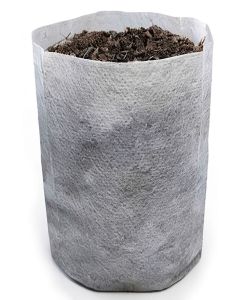
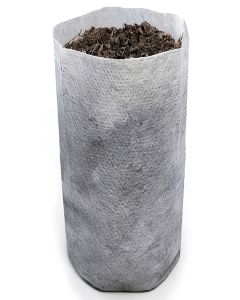
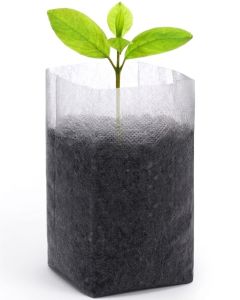 247Garden 1/2-Gallon Tall Starter Plant Grow Bag White 40GSM Fabric Pot 4D x 9H$0.1519775 in stock
 -
-
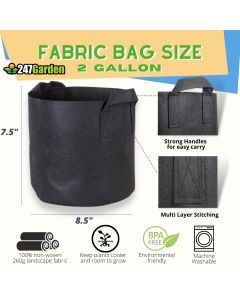
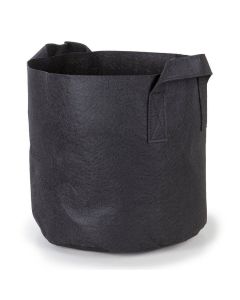 247Garden 3-Gallon Aeration Fabric Pot/Plant Grow Bag w/Handles (Black 9H x 10D)Special Price $0.75 Regular Price $1.24155067 in stock
 -
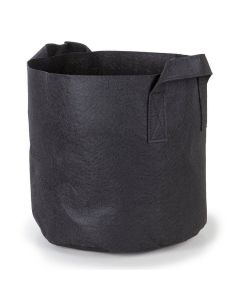
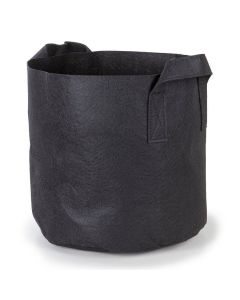 247Garden 5-Gallon Aeration Fabric Pot/Plant Grow Bags w/Handles (Black 10H x 12D)$1.4937938 in stock
 -
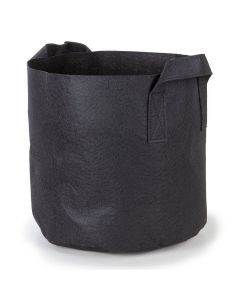
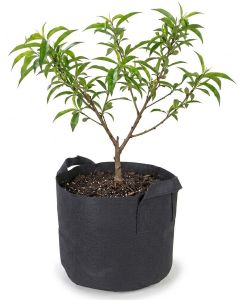 247Garden 10-Gallon Aeration Fabric Pot/Plant Grow Bag w/Handles (Black 13H x 15D)Special Price $2.25 Regular Price $2.4831526 in stock
 -
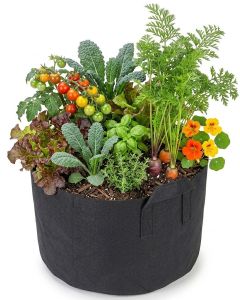 247Garden 15-Gallon Aeration Fabric Pot/Plant Grow Bag w/Handles (Black 14.5H x 17D)Special Price $2.75 Regular Price $2.99112956 in stock
 -
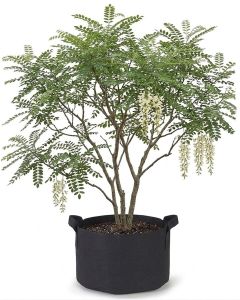 247Garden 20-Gallon Aeration Fabric Pot/Plant Grow Bag w/Handles (Black 16H x 19D)Special Price $2.99 Regular Price $3.4892269 in stock
 -
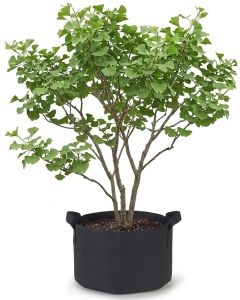 247Garden 25-Gallon Aeration Fabric Pot/Plant Grow Bag w/Handles (Black 16.5H x 21D)Special Price $3.49 Regular Price $3.9932677 in stock
 -
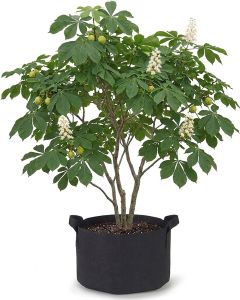 247Garden 30-Gallon Aeration Fabric Pot/Plant Grow Bag w/Handles (Black 15.5H x 24D)$4.6837783 in stock
 -
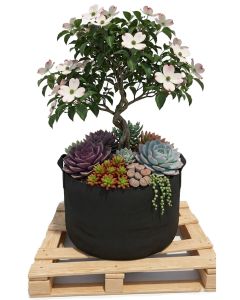 247Garden 40-Gallon Aeration Fabric Pot/Plant Grow Bag w/Handles (Black 17H x 26.5D)Special Price $4.50 Regular Price $4.9914639 in stock