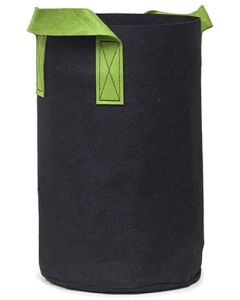
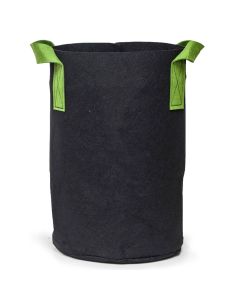
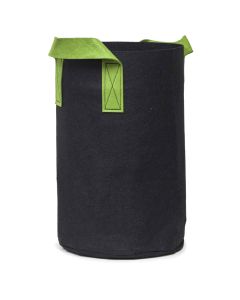
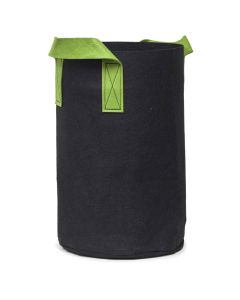
Using Fabric Grow Bags for Microgrowery
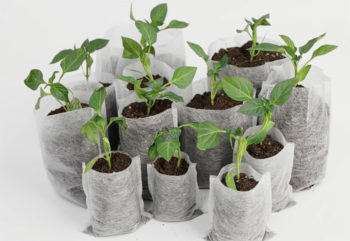
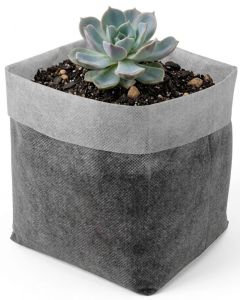
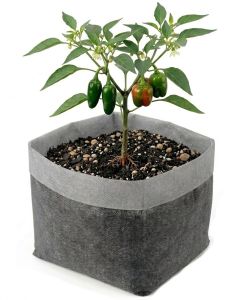
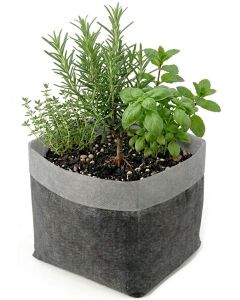
Microgrowery is the practice of growing plants in a small, controlled indoor environment. The term became popular among hobby growers who wanted to maximize plant health, yields, and efficiency in compact spaces like closets, grow tents, balconies, spare rooms, garages, or small greenhouses.
A microgrowery setup usually focuses on:
- Limited grow space
- Better environmental control
- Efficient lighting
- Healthy root development
- Lower startup costs
- Easier plant management
- Higher quality harvests in smaller areas
Whether growing herbs, vegetables, flowers, starter plants, or specialty crops, one thing becomes very important in small-space growing: root health.
That is exactly why fabric grow bags have become one of the most recommended container choices for microgrowery setups.
Why Fabric Grow Bags Work So Well for Microgrowery
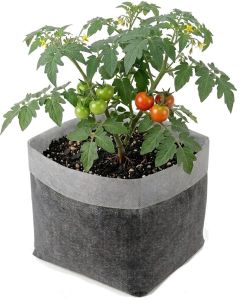
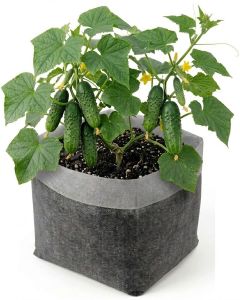
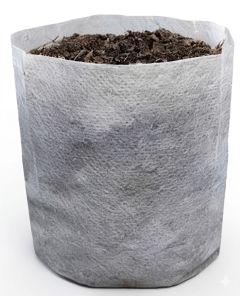
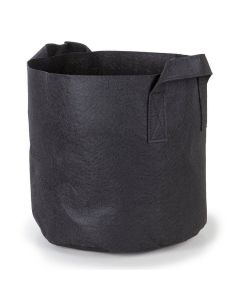
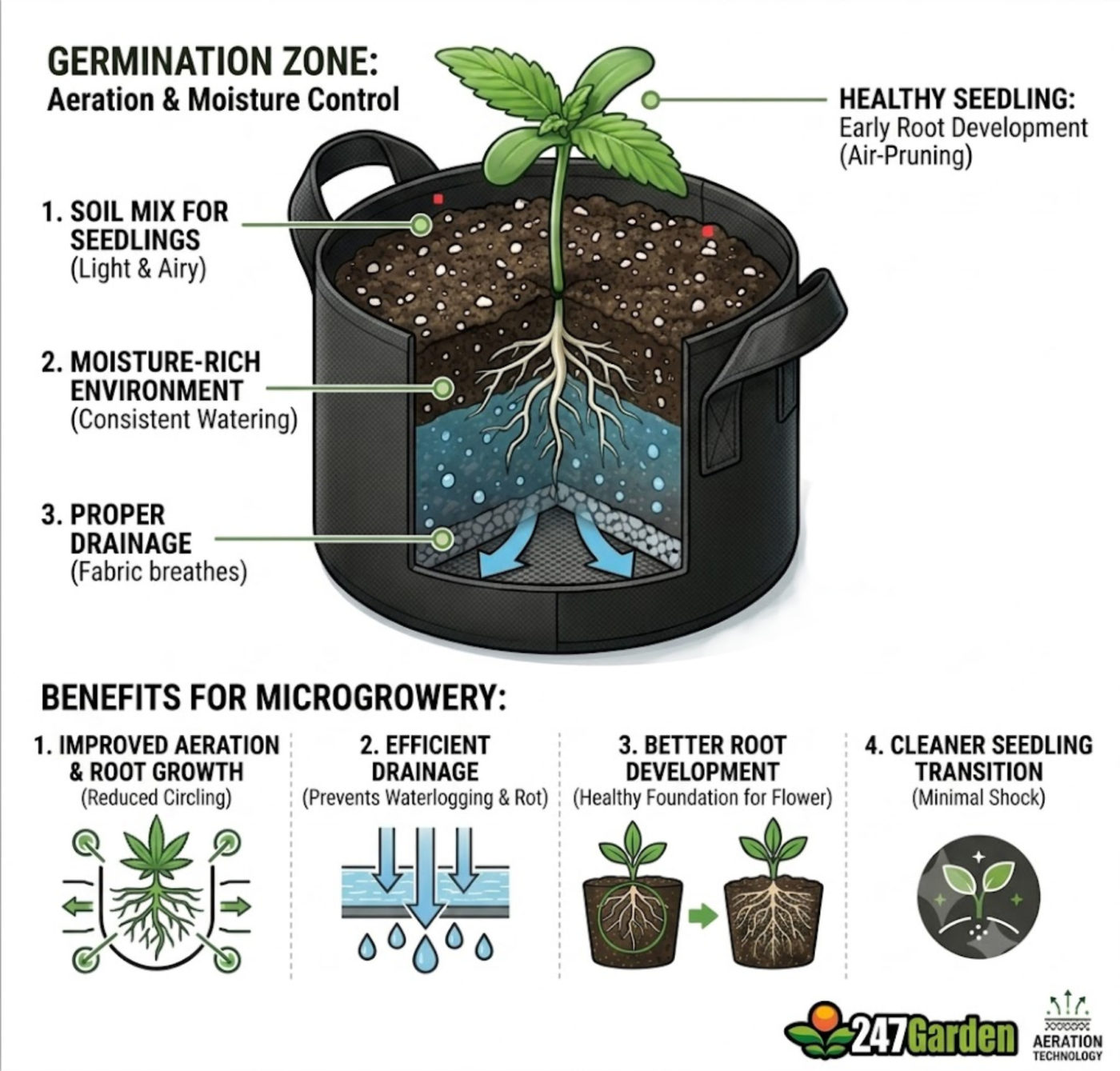
Traditional plastic pots can trap moisture and create root circling problems. Fabric aeration grow bags solve many of these issues naturally through breathable fabric construction and air pruning.
Research and grower experience consistently show that fabric containers improve airflow, drainage, and root structure compared to standard plastic pots.
The Main Advantages of Fabric Grow Bags
1. Better Root Aeration
Fabric grow bags allow oxygen to penetrate through the sides of the container. This helps roots breathe properly and supports vigorous root growth.
Healthy roots usually mean:
- Faster growth
- Better nutrient absorption
- Stronger plants
- Improved transplant success
2. Natural Air Pruning
When roots reach the edge of a plastic pot, they continue circling around the container. This creates root-bound plants.
Fabric aeration bags work differently. Once roots reach the breathable edge, they are naturally “air pruned,” encouraging the plant to produce more feeder roots instead of circling roots.
The result:
- Denser root systems
- Better nutrient uptake
- More efficient growth
- Reduced transplant shock
3. Improved Drainage
Overwatering is one of the biggest mistakes in indoor growing. Fabric grow bags help excess water escape naturally through the breathable material.
This reduces:
- Root rot
- Waterlogged soil
- Fungus problems
- Poor oxygen levels in the root zone
4. Cooler Root Temperatures
Plastic containers can trap heat. Fabric bags release heat more efficiently and help stabilize root-zone temperatures during warmer conditions.
5. Space Efficiency
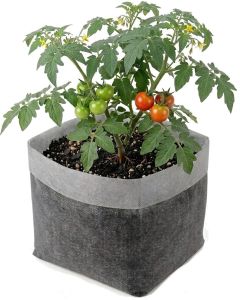
Microgrowery setups depend on maximizing every inch of space. Flexible grow bags fit more efficiently inside:
- Grow tents
- Shelving systems
- Indoor racks
- Small patios
- Balcony gardens
Why Many Indoor Growers Prefer Fabric Pots
Across gardening communities and grow forums, fabric pots are often recommended for both soil and coco growing.
Many growers specifically mention:
- Better oxygen flow
- Reduced overwatering
- Healthier roots
- Easier management in tents
- Improved yields
One Reddit grower reported yield increases after switching to fabric pots, while others praised their airflow and air-pruning benefits. (Reddit)
Of course, no container is perfect for every setup. Fabric pots can dry out faster in very hot or dry environments, meaning more frequent watering may be needed. (Reddit)
But for most indoor microgrowery environments, breathable aeration grow bags are considered one of the best container options available.
Recommended 247Garden Fabric Grow Bags for Microgrowery
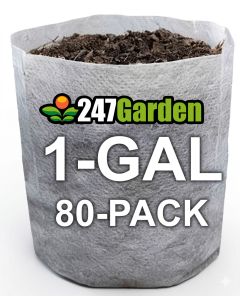
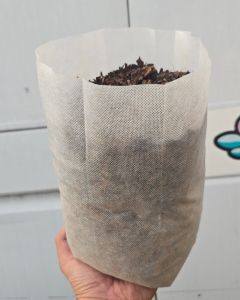
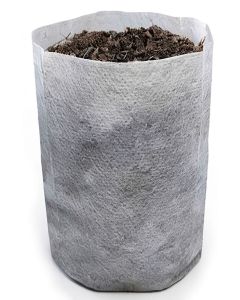
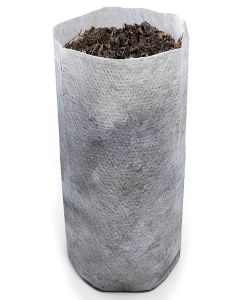
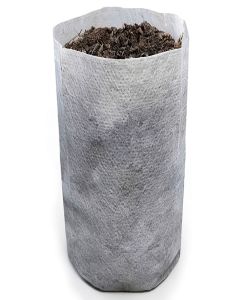
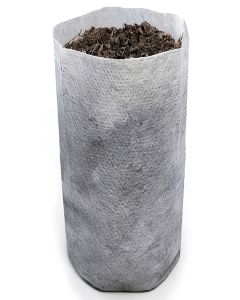
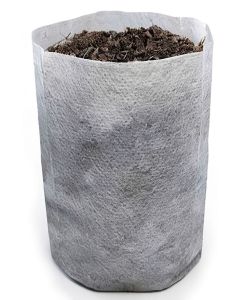
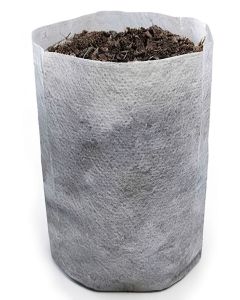
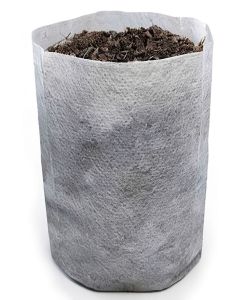
247Garden Starter Grow Bags (40GSM)
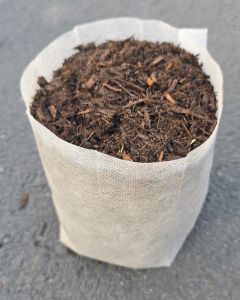
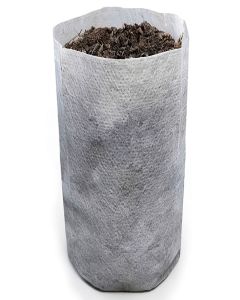
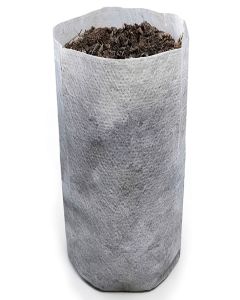
For seed starting, clones, starter plants, and small-root crops, lightweight 40GSM grow bags are an inexpensive and efficient option.
These are especially useful for:
- Seedlings
- Early vegetative growth
- Small herbs
- Compact indoor grows
- Transplant staging
Recommended Sizes
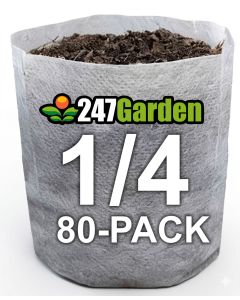
1/4 Gallon Starter Grow Bags
Perfect for:
- Clones
- Seed starts
- Propagation trays
- Early root development
Benefits:
- Low-cost starter solution
- Excellent drainage
- Easy transplanting
- Great for high plant counts
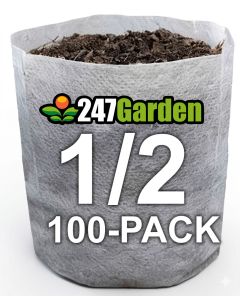
1/2 Gallon Starter Grow Bags
A favorite for:
- Young plants
- Early veg stages
- Compact indoor setups
- Space-efficient propagation
These provide more root room while still maintaining a small footprint.
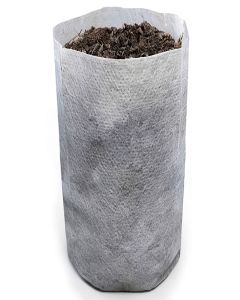
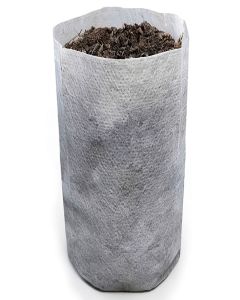
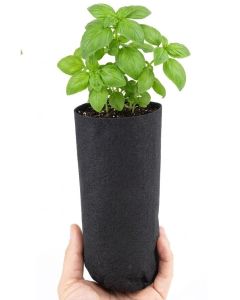
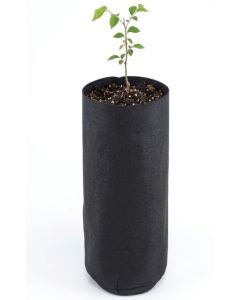
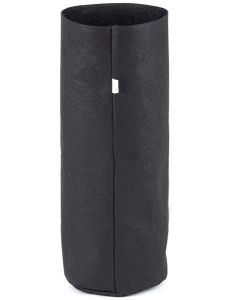
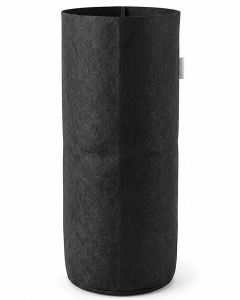
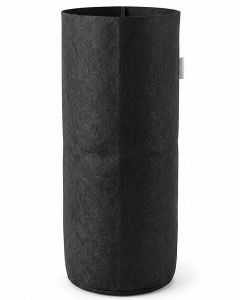
247Garden Skinny Tall Grow Bags
Skinny tall grow bags are extremely popular in microgrowery because they maximize vertical root growth while minimizing floor space.
They work especially well in:
- Grow tents
- Vertical grow systems
- Shelf grows
- Small indoor gardens
Benefits of Skinny Tall Grow Bags
- Narrow footprint
- Efficient root depth
- Better drainage
- Easier arrangement in rows
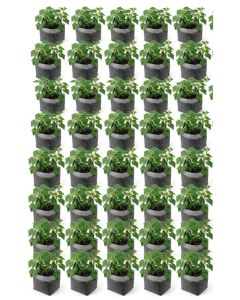
- More plants per square foot
Popular Skinny Tall Sizes
1 Gallon Skinny Tall Grow Bags
Excellent for:
- Compact indoor plants
- Herbs
- Lettuce
- Starter vegetables
- Controlled vegetative growth
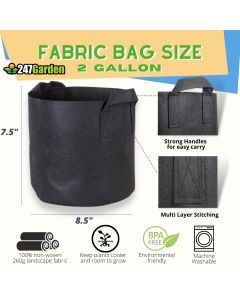
2 Gallon Skinny Tall Grow Bags
Ideal for:
- Medium-size plants
- Longer vegetative cycles
- Indoor tent growing
- Hydroponic-style media blends
3 Gallon Skinny Tall Grow Bags
One of the most versatile microgrowery container sizes.
Many growers consider 3-gallon fabric bags the sweet spot for:
- Indoor tents
- Balanced root volume
- Medium to large plants
- Efficient watering cycles
Reddit growers frequently mention 3-gallon fabric bags as a preferred size for indoor grows. (Reddit)
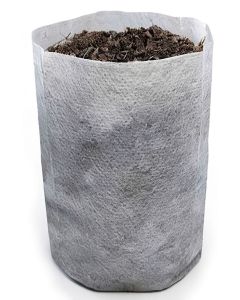
247Garden OG Regular Size Grow Bags
OG regular grow bags offer a wider footprint and more traditional root-zone structure.
These are ideal when:
- Growing bushier plants
- Using living soil
- Running organic grows
- Wanting greater moisture retention
Best OG Regular Sizes
1 Gallon OG Grow Bags
Great for:
- Herbs
- Small vegetables
- Short-cycle plants
- Compact root systems
2 Gallon OG Grow Bags
Excellent middle-ground option for:
- Medium vegetative growth
- Compact flowering plants
- Indoor gardening flexibility
3 Gallon OG Grow Bags
One of the most popular sizes for indoor growers.
Benefits include:
- Strong root development
- Good moisture balance
- Excellent aeration
- Enough room for larger plants without taking excessive space
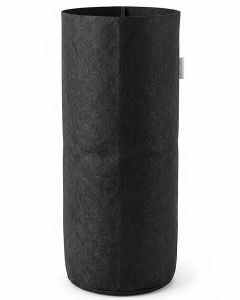
247Garden Regular Tall Grow Bags
Regular tall grow bags combine:
- Deeper root zones
- Better vertical drainage
- Improved oxygen flow
- Efficient floor usage
These are excellent for growers wanting more root depth while maintaining stability and airflow.
40GSM vs 60GSM Fabric Grow Bags
40GSM Grow Bags
Best for:
- Budget-friendly setups
- Seedlings
- Starter plants
- Short grow cycles
- Propagation
Advantages:
- Lightweight
- Inexpensive
- Good airflow
- Easy storage
60GSM Grow Bags
Best for:
- Long-term growing
- Larger root systems
- Repeated reuse
- Heavier soil mixes
- Advanced indoor growing
Advantages:
- Thicker construction
- Better durability
- Stronger support
- Longer lifespan
Best Fabric Grow Bag Size for Microgrowery
| Grow Stage | Recommended Size |
|---|---|
| Seed starting | 1/4 gallon |
| Clones & seedlings | 1/2 gallon |
| Early vegetative growth | 1 gallon |
| Medium indoor plants | 2 gallon |
| Full indoor grow cycle | 3 gallon |
Final Thoughts
Microgrowery is all about maximizing plant performance in limited space. Choosing the right container plays a huge role in root health, watering efficiency, and overall plant growth.
247Garden fabric aeration grow bags are an excellent choice for growers looking for:
- Better drainage
- Improved oxygen flow
- Stronger root systems
- Compact space efficiency
- Affordable starter options
- Reusable grow containers
From inexpensive 40GSM starter grow bags to durable 60GSM aeration pots, 247Garden offers excellent options for every stage of indoor growing.
Whether you prefer OG regular, skinny tall, or regular tall grow bags, breathable fabric containers remain one of the most effective solutions for modern microgrowery setups.
-
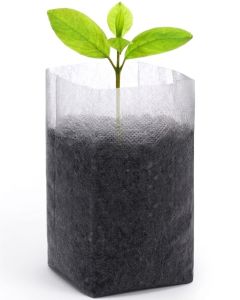 247Garden 1/2-Gallon Tall Starter Plant Grow Bag White 40GSM Fabric Pot 4D x 9H$0.1519775 in stock
 -
-
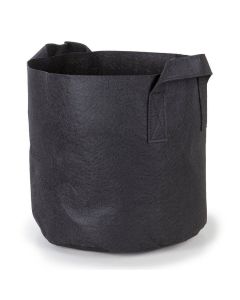 247Garden 3-Gallon Aeration Fabric Pot/Plant Grow Bag w/Handles (Black 9H x 10D)Special Price $0.75 Regular Price $1.24155067 in stock
 -
-
-
-
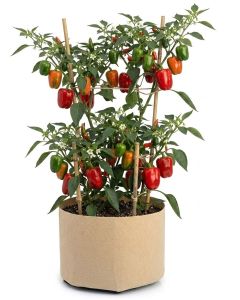 247Garden 3-Gallon Basic Aeration Tan Fabric Pot/Plant Grow Bag (200GSM BPA-Free Fabric, 9H x 10D)$0.990 in stockOut of stock