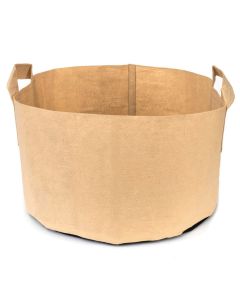
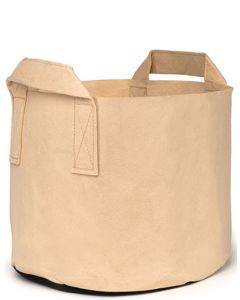
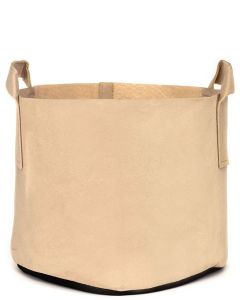
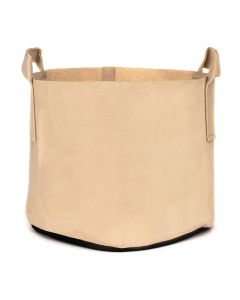
Understanding Masterbatch Dye in 247Garden Aeration Fabric Grow Bags
As more people grow their own vegetables, herbs, fruit trees, and edible plants, gardeners are paying closer attention to the materials used in their containers. Questions about plastics, dyes, coatings, BPA, and chemical safety are becoming increasingly common — especially among organic and health-conscious growers.
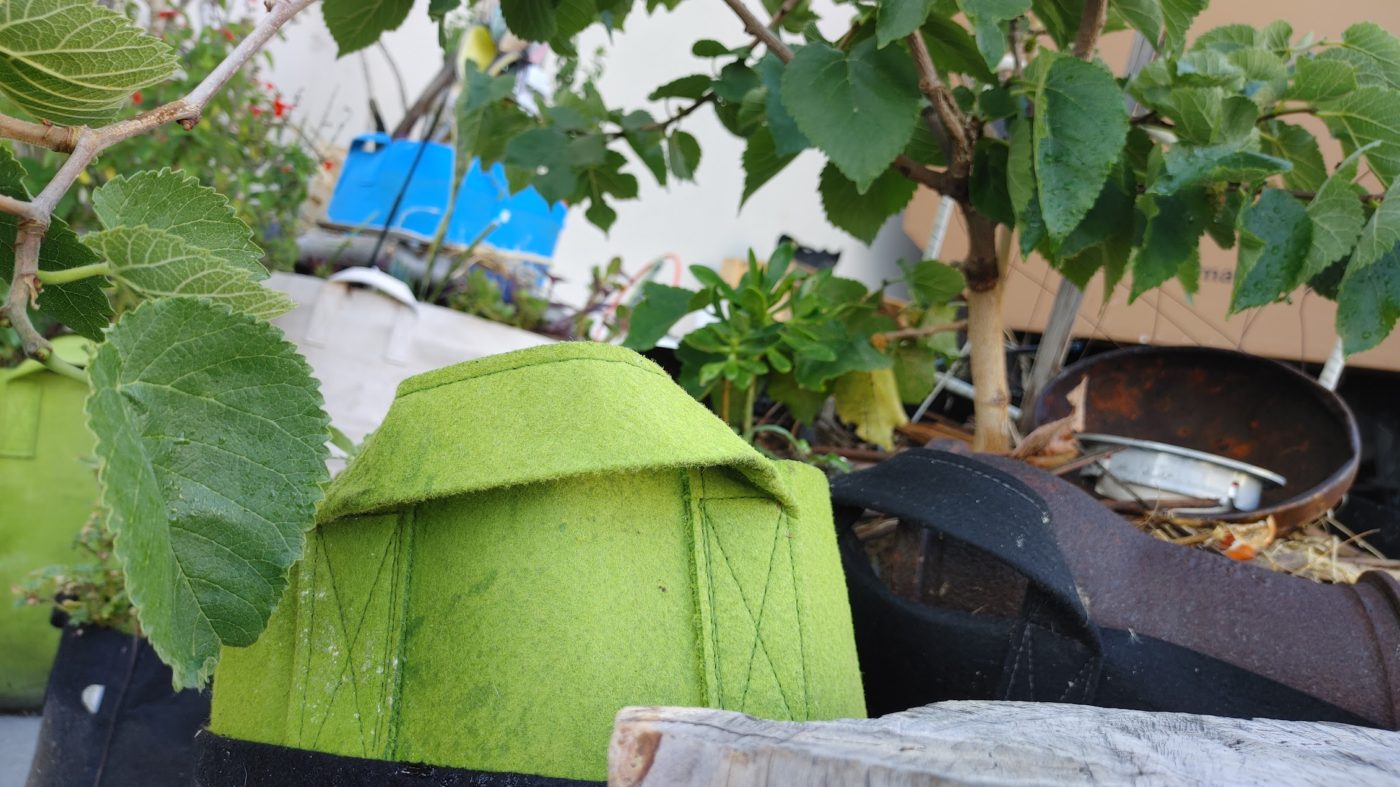
One of the most misunderstood topics is color additives and dyes used in gardening products.
Many customers ask:
- Are fabric grow bags dyed with chemicals?
- Do the colors leach into soil?
- Are the materials toxic?
- What does BPA-free actually mean?
- What is masterbatch dye?
The answer often comes down to how the material is manufactured.
247Garden Aeration Fabric Pots use eco-friendly masterbatch coloring technology, a widely used industrial coloring process designed for consistency, durability, and cleaner manufacturing.
What Is Masterbatch?
Masterbatch is a manufacturing method used to add color or additives directly into raw material during production.
Instead of applying liquid paint or surface coatings after a product is made, concentrated color pigments are blended into the base material itself during manufacturing.
This creates a uniform and stable color throughout the material.
You can learn more about masterbatch here:
Masterbatch technology is widely used in industries including:
- Agriculture
- Food packaging
- Irrigation systems
- Consumer plastics
- Automotive products
- Medical packaging
- Textiles
- Horticulture products
Because the color becomes part of the material itself, the final product is often more durable and stable than products using painted or sprayed-on dyes.
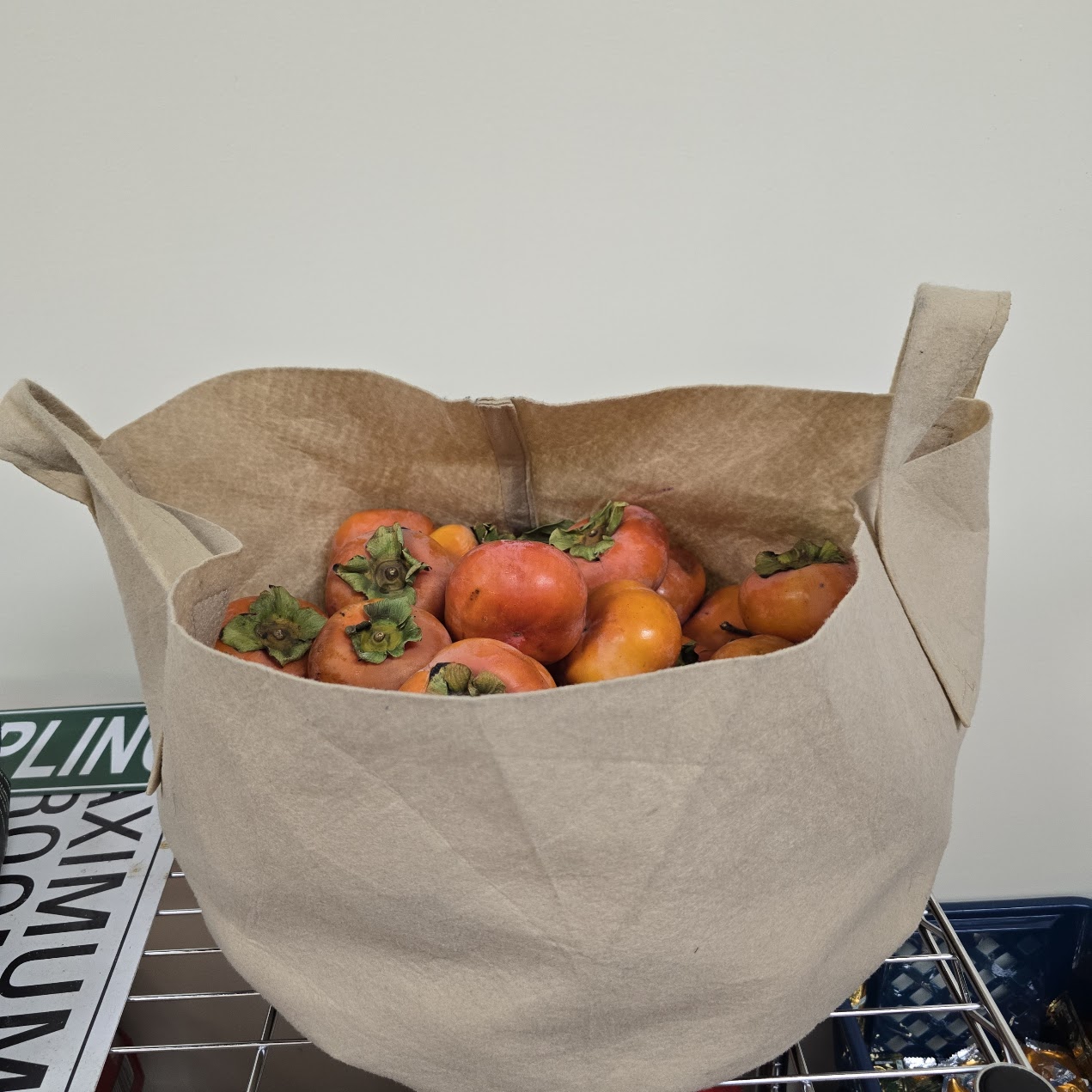
Why Masterbatch Is Commonly Used in Modern Grow Bags
Fabric grow bags need to survive:
- Sunlight
- Moisture
- Fertilizer exposure
- Outdoor weather
- Repeated watering
- Soil microbes
- Heat cycles
Traditional surface dyes or paint-style coloring methods can sometimes fade, crack, peel, or wear away over time.
Masterbatch coloring helps avoid these issues because the color is integrated into the material itself.
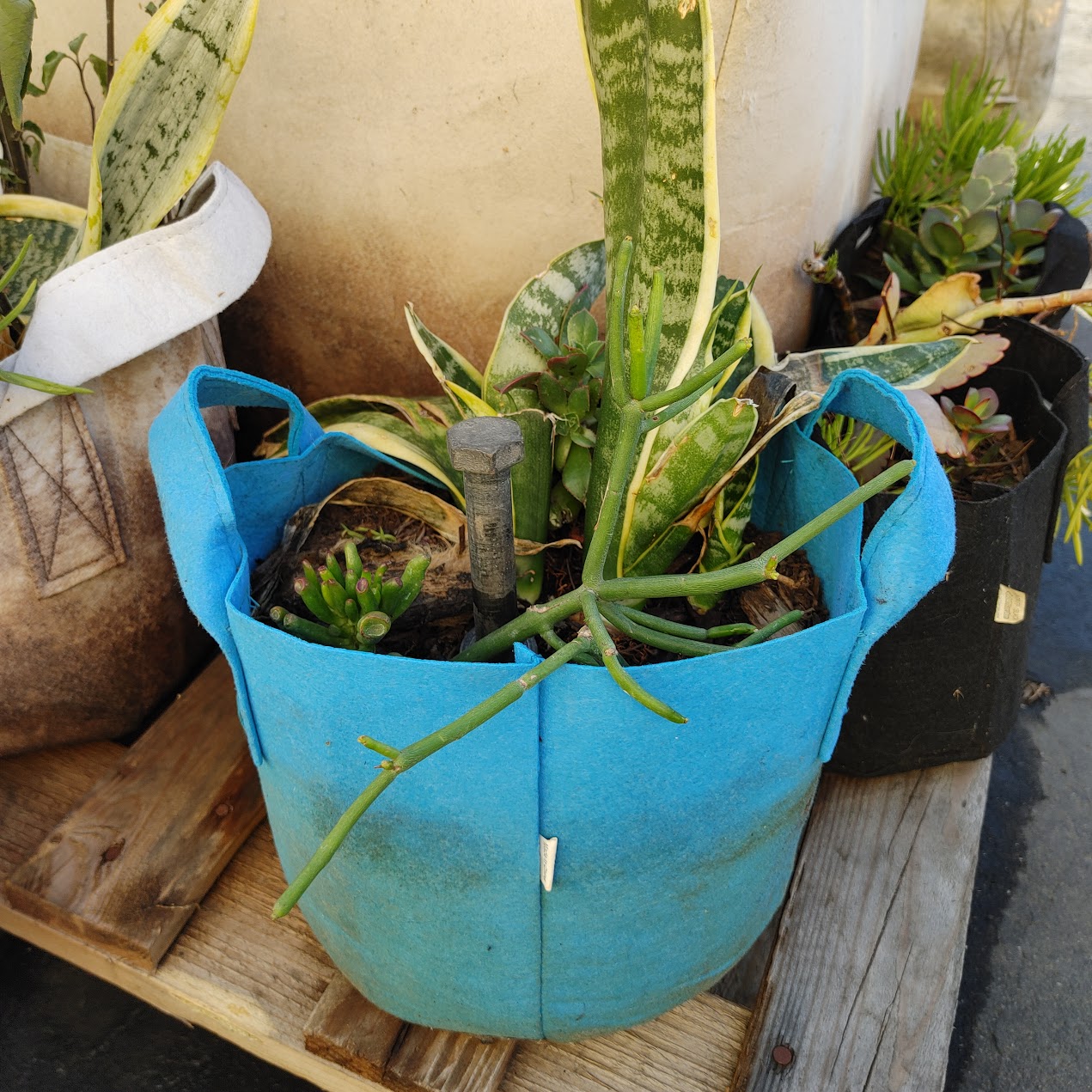
Benefits include:
- More uniform color
- Reduced fading
- Better UV stability
- Cleaner manufacturing
- Lower chemical waste
- Improved durability
- No painted surface coatings
For gardening products exposed to outdoor conditions year-round, this is a major advantage.
Why Masterbatch Is Considered Cleaner Than Surface Dyeing
Traditional liquid dye systems often involve:
- Solvents
- Surface treatments
- Additional chemical binders
- Post-production coatings
- Extra wastewater processing
Masterbatch manufacturing is generally considered cleaner because the coloring process occurs during material production instead of afterward.
This can reduce:
- Excess chemical runoff
- Liquid dye waste
- Surface residue
- Uneven coating layers
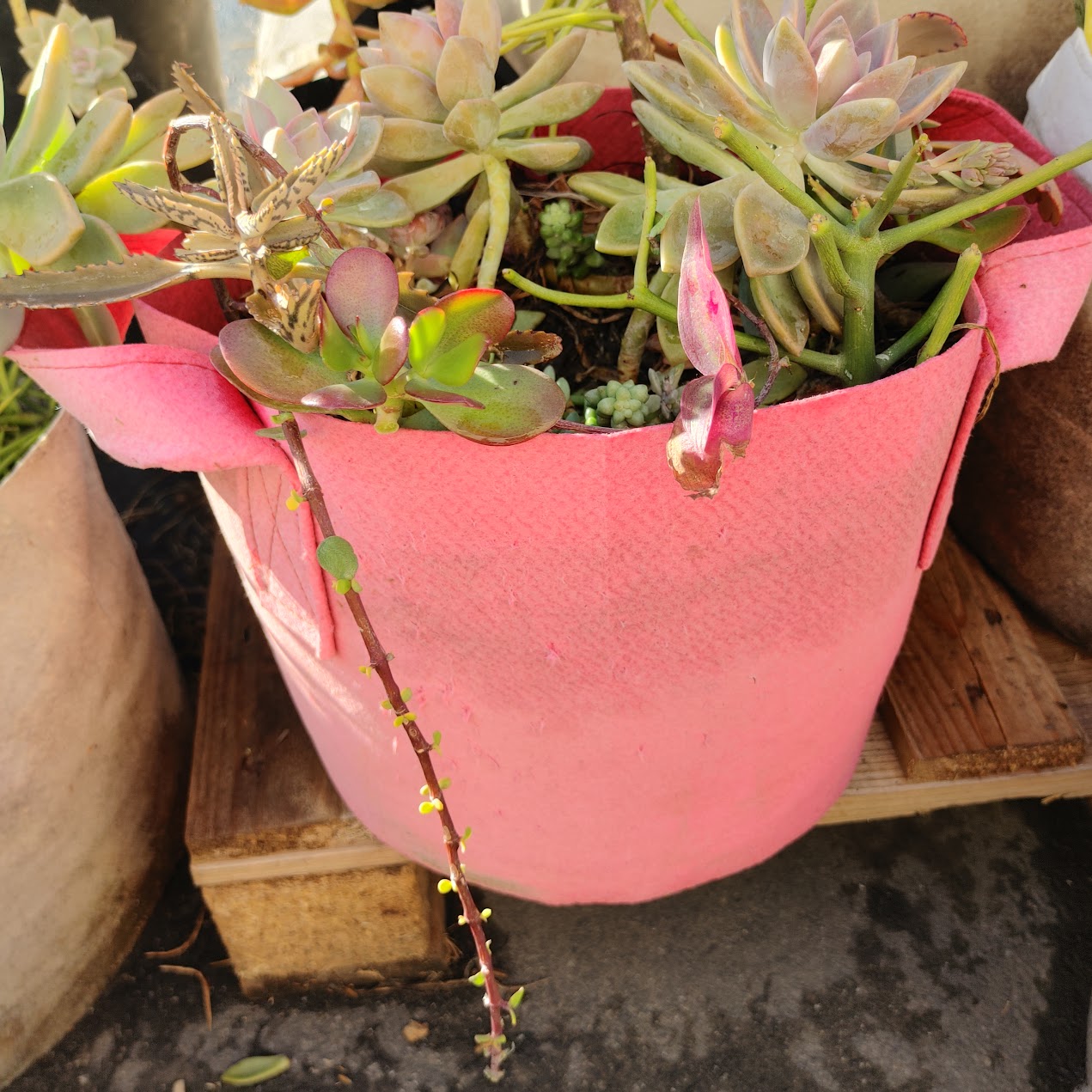
Because the pigment is encapsulated within the material matrix itself, there is no external paint layer sitting on the surface.
This is one reason masterbatch coloring is widely used in products designed for long-term outdoor use. Bottomline, masterbatch coloring technology provides a cleaner and more durable alternative to traditional painted or surface-dyed products by integrating color directly into the material during manufacturing. Combined with BPA-free breathable fabric construction, 247Garden Aeration Fabric Pots provide gardeners with a reusable, durable, and plant-friendly growing solution for vegetables, fruit trees, herbs, and organic gardening applications. For growers looking for toxic-free and BPA-free gardening containers with strong aeration and healthy root performance, fabric pots using eco-friendly masterbatch coloring have become one of the most trusted choices in modern horticulture.
-
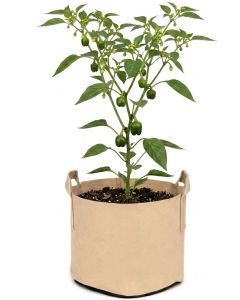 247Garden 5-Gallon Aeration Fabric Pot/Plant Grow Bag w/Handles (Tan w/Black Base 10H x 12D)$1.580 in stockOut of stock
 -
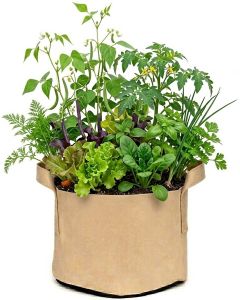 247Garden 7-Gallon Aeration Fabric Pot/Plant Grow Bag w/Handles (Tan w/Black Base 12H x 13D)$1.880 in stockOut of stock
 -
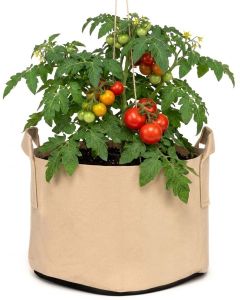 247Garden 10-Gallon Aeration Fabric Pot/Plant Grow Bag w/Handles (Tan w/Black Base 13H x 15D)$2.750 in stockOut of stock
 -
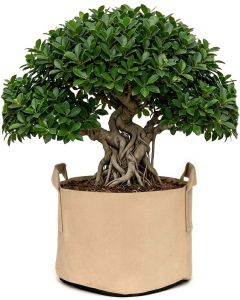 247Garden 15-Gallon Aeration Fabric Pot/Plant Grow Bag w/Handles (Tan w/Black Base 14.5H x 17D)Special Price $2.75 Regular Price $3.4312257 in stock
 -
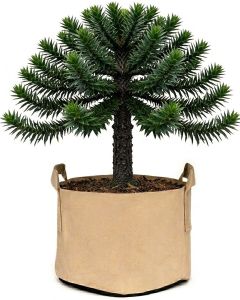 247Garden 30-Gallon Aeration Fabric Pot/Plant Grow Bag w/Handles (Tan w/Black Base 15.5H x 24D)$4.680 in stockOut of stock
 -
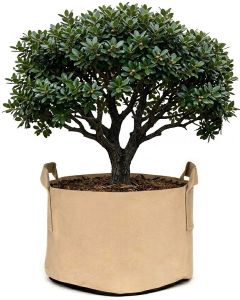 247Garden 40-Gallon Aeration Fabric Pot/Plant Grow Bag w/Handles (Tan w/Black Base 17H x 26.5D)Special Price $4.79 Regular Price $5.994694 in stock
 -
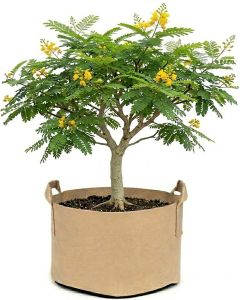 247Garden 50-Gallon Eco-Friendly Aeration Fabric Pot/Plant Grow Bag w/Handles (300GSM Tan w/Black Base 17H x 31D)Special Price $6.39 Regular Price $7.991005 in stock
 -
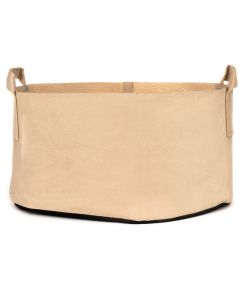 247Garden 200-Gallon Aeration Plant Grow Bag/Fabric Pot/Raised Garden Bed w/Handles (300GSM Tan w/Black Base 24H x 50D)Special Price $10.00 Regular Price $20.003604 in stock