
The Ultimate Guide to Growing the Sweetest Kohlrabi in 247Garden Aeration Fabric Grow Bags
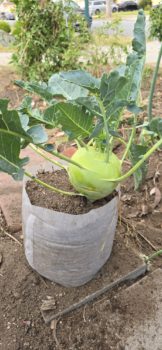
If you are looking to add a unique, nutrient-dense, and incredibly rewarding vegetable to your garden this season, look no further than kohlrabi. Often described as a vegetable from outer space due to its unique looks, kohlrabi is a hidden gem of the garden world. It offers a delightful, crisp crunch that tastes like a sweet cross between an apple and a mild cabbage.
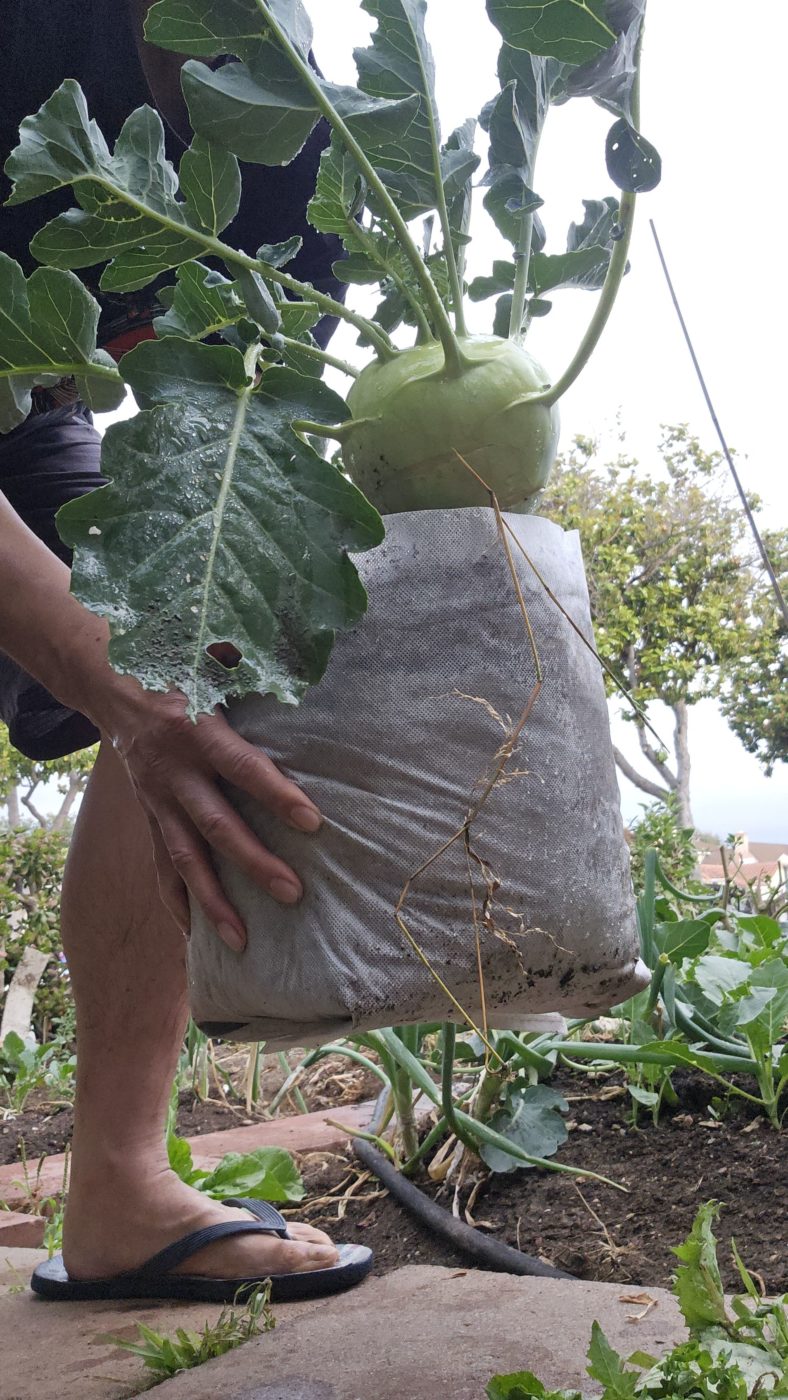
While it may look exotic, it is surprisingly easy to grow—especially when you pair it with the superior airflow and root-boosting technology of 247Garden Aeration Fabric Grow Bags.
In this comprehensive guide, we will dive into the rich history of kohlrabi, explore the incredible benefits of eating and growing it, and reveal the step-by-step secrets to harvesting the sweetest, most tender kohlrabi right from your backyard or patio.
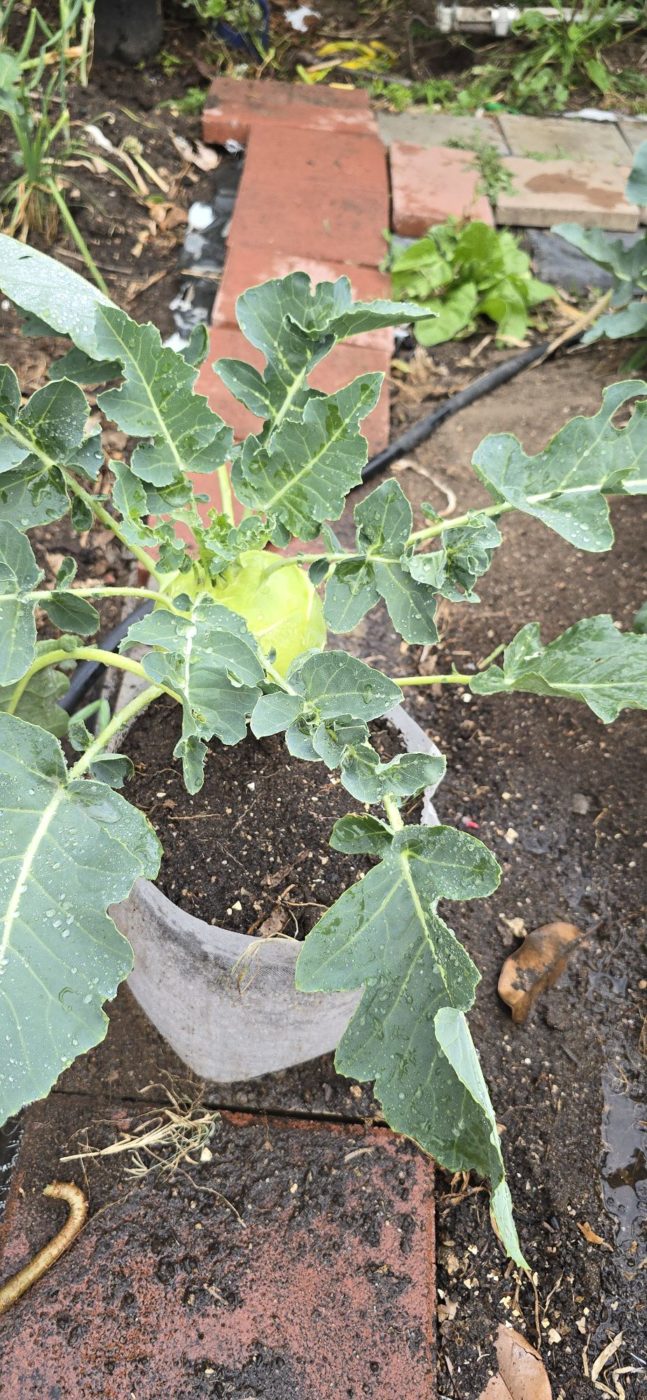
A Quick History and Cultural Journey of Kohlrabi
Kohlrabi (Brassica oleracea var. gongylodes) is a member of the diverse brassica family, making it a close cousin to cabbage, broccoli, kale, and Brussels sprouts. Unlike its cousins, we primarily grow kohlrabi for its swollen, turnip-like stem that matures just above the soil line.
Roots in Central Europe
The name "kohlrabi" comes from the German words kohl (meaning cabbage) and rabi (meaning turnip). Records indicate that it was first developed in the Germanic regions of Europe around the 1st century AD. By the 16th century, it was a staple food across Central and Eastern Europe, celebrated for its ability to grow quickly in cooler climates and store well through harsh winters.
A Global Staple
Over the centuries, kohlrabi traveled across global trade routes, embedding itself into various cultural cuisines:
- South Asia: In Kashmiri and Assamese cuisines, known locally as Monji or Ol Kopi, kohlrabi is a prized winter vegetable cooked into rich, aromatic, and spicy curries.
- Southeast Asia: In Vietnam, it is called su hao. It is a crucial element in comforting winter broths, quick stir-fries, and the iconic pickled garnishes served alongside dishes like bun cha.
- The Middle East: Sliced raw kohlrabi, seasoned simply with fresh lemon juice and sea salt, is a traditional addition to fresh mezze platters.
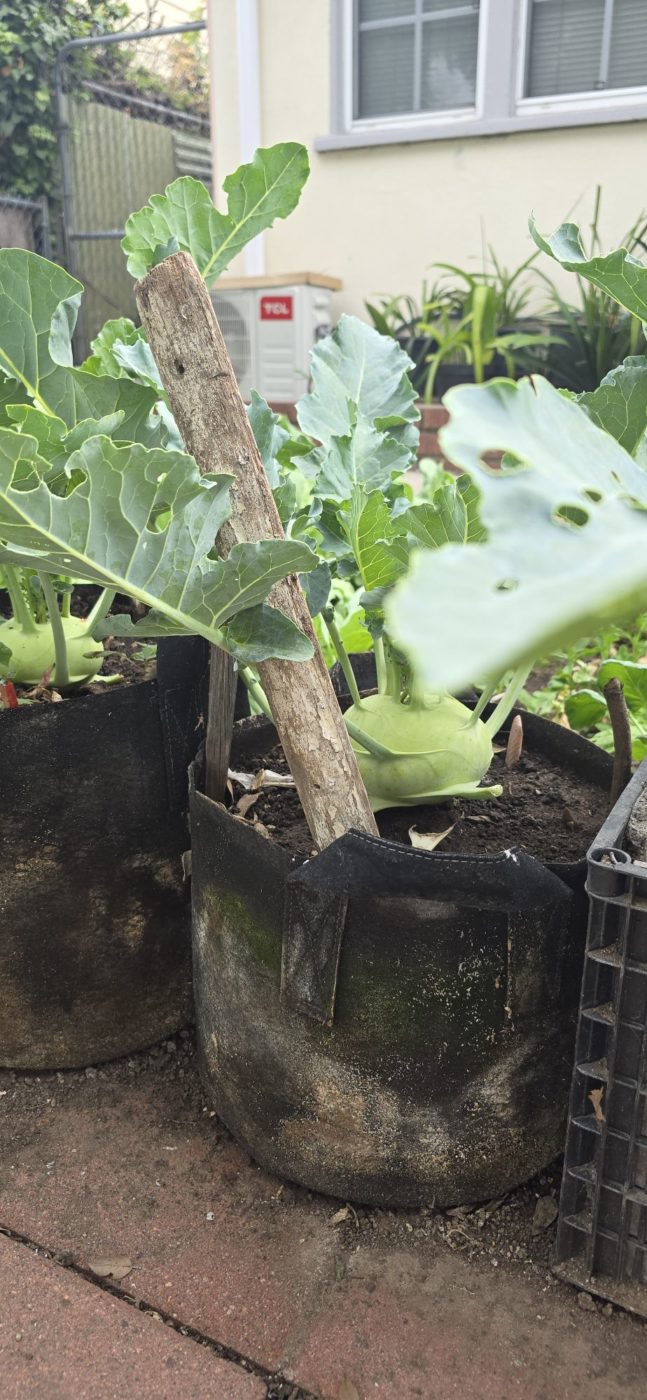
The Double-Win: Why Kohlrabi is Good to Grow and Eat
Incorporating kohlrabi into your garden rotation offers an incredible array of benefits, both on the plate and in the soil.
The Nutritional and Culinary Pros (Eating It)
- High in Vitamin C: A single cup of raw kohlrabi provides more than 100% of your daily recommended intake of Vitamin C, making it a fantastic immune booster.
- Packed with Fiber: It promotes excellent digestive health and keeps you feeling full longer.
- Low-Carb & Keto Friendly: With its crisp, watery crunch, raw kohlrabi serves as an amazing low-carb substitute for potato chips, crackers, or apples. When cooked, it can be mashed or roasted as a direct, low-glycemic alternative to potatoes.
- Zero Waste: The entire plant is edible! While the bulb is the main attraction, the large leafy greens can be chopped up and sauteed just like collard greens or kale.
The Garden Pros (Growing It)
- Lightning-Fast Harvest: Many varieties of kohlrabi are ready to harvest in just 45 to 60 days from planting. It’s an ideal crop for quick turnarounds or succession planting.
- Space-Efficient: Because the edible bulb develops entirely above the ground, it requires very little vertical or horizontal space, making it perfect for container gardening.
- Excellent Frost Tolerance: Kohlrabi thrives in the cool spring and autumn months. In fact, a light touch of frost actually enhances its natural sugars!
Why 247Garden Aeration Grow Bags Are Perfect for Kohlrabi
While kohlrabi is highly adaptable, it is incredibly sensitive to soil moisture and root binding. If you grow kohlrabi in traditional plastic pots, the roots will quickly hit the hard walls, begin circling, and choke themselves out. This stress leads to stunted bulbs and woodiness.
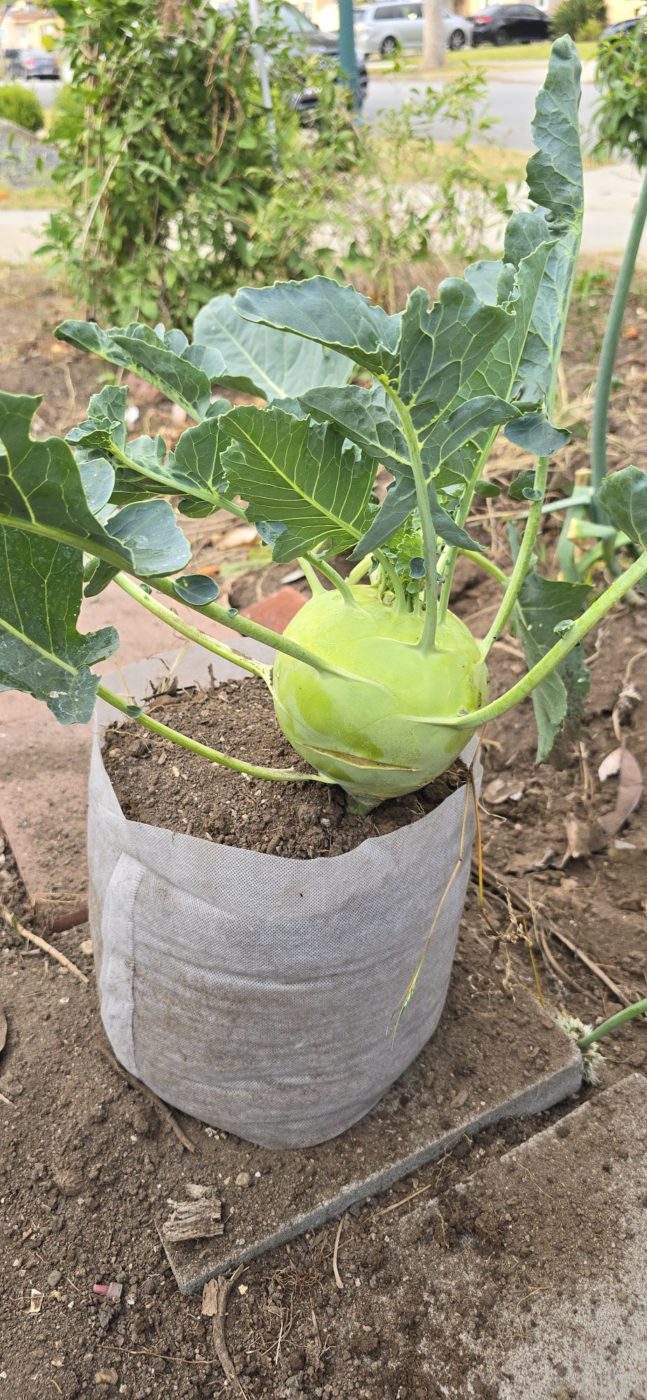
247Garden fabric grow bags change the game completely.
1. Air-Pruning for Massive Root Networks
When the roots of your kohlrabi reach the edge of a 247Garden breathable fabric pot, they are exposed to air. Instead of circling the pot, the root tips naturally dry out and stop growing. This signals the plant to continuously shoot out millions of tiny, fibrous feeder roots from the center. A larger, more vibrant root system means maximum nutrient uptake and a healthier, faster-growing plant.
2. Flawless Drainage Eliminates Root Rot
Kohlrabi loves consistent moisture, but it absolutely detest soggy, stagnant soil. Our high-quality aeration fabric allows excess water to drain away effortlessly out of the sides and bottom. You never have to worry about overwatering or drowning your plants.
3. Native Temperature Regulation
Plastic pots absorb heat, baking the soil and stressing cool-weather crops like kohlrabi. The breathable fabric of 247Garden pots allows heat to escape through evaporation, keeping the root zone significantly cooler on warm days and more insulated during chilly nights.
How to Grow the Sweetest, Most Tender Kohlrabi
No one wants to bite into a tough, woody kohlrabi. The secret to growing the sweetest, most tender kohlrabi is rapid, unstressed growth. Here is exactly how to achieve it using 247Garden grow bags:
Step 1: Choose the Right Pot Size
For individual kohlrabi plants, our OG 3-Gallon Starter Fabric Planter is the absolute perfect fit. It provides just the right amount of root depth and volume for a single bulb to fully mature without competing for resources. If you want to grow a cluster of 3 to 4 plants together, step up to a 247Garden 7-Gallon or 10-Gallon fabric bag.
Step 2: Premium Soil is Key
Fill your grow bag with a high-quality, well-draining potting mix rich in organic matter. Mix in a healthy dose of compost or aged manure. Kohlrabi loves a soil pH between 6.0 and 6.8.
Step 3: Planting and Spacing
You can direct sow seeds about 1/4 inch deep or transplant healthy starters. If planting multiple seeds in a larger bag, space them at least 4 to 6 inches apart to give the bulbs plenty of room to expand above the soil. Place your grow bags in a spot that receives at least 6 hours of full sunlight daily.
Step 4: The Secret to Sweetness (Water and Feed)
- Consistent Moisture: To keep kohlrabi sweet and crisp, never let the soil dry out completely. Fluctuations between bone-dry soil and soaking-wet soil cause the bulb to crack and turn woody. Water your 247Garden grow bags regularly to keep the medium evenly damp, like a wrung-out sponge.
- Nutrient Rich: Kohlrabi is a moderate feeder. Apply a balanced, organic liquid fertilizer or a nitrogen-rich compost tea every 2 to 3 weeks to support rapid leaf and bulb development.
When and How to Harvest
The absolute golden rule of kohlrabi is to harvest early.
Begin checking your plants when the bulbs reach the size of a golf ball. For the peak sweet, crisp flavor and tender texture, harvest the bulbs when they are between 2 to 3 inches in diameter (roughly the size of a tennis ball). If you let them grow much larger, they will start losing their sweetness and develop a tough, stringy, wood-like texture.
To harvest, simply use a sharp garden knife or shears to slice the stem at the base, right beneath the bulb. Trim away the large outer leaves (remember to save them for cooking!), rinse the bulb clean, and it's ready for the kitchen!
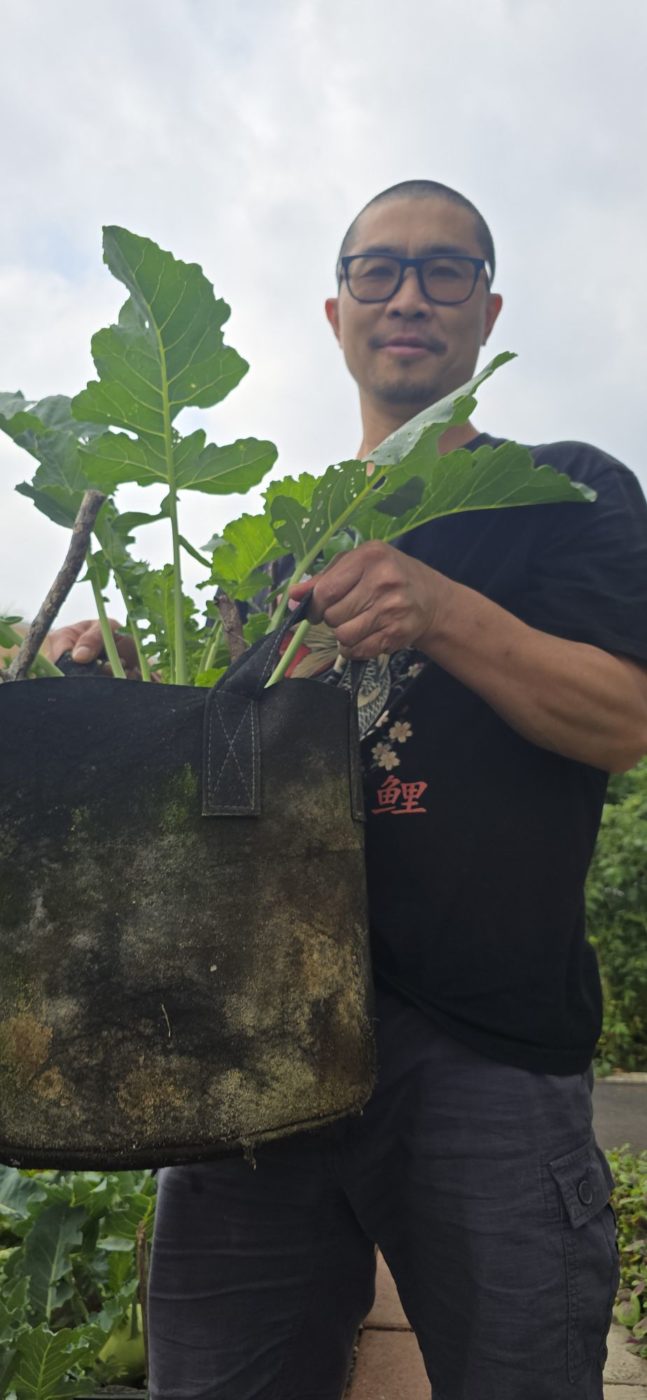
Bring the Magic to Your Garden
Growing your own food is a fun, deeply satisfying experience, and choosing unique varieties like kohlrabi makes it even better. By giving your crops the gift of optimal airflow, superior drainage, and robust root health with 247Garden Aeration Fabric Grow Bags, you are setting yourself up for a bountiful, delicious harvest.
Ready to upgrade your garden setup? Head over to the 247Garden store to stock up on our premium fabric grow bags, and get ready to taste the sweetest kohlrabi you've ever had!