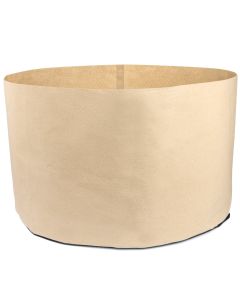
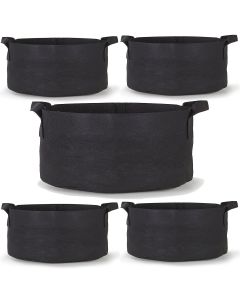
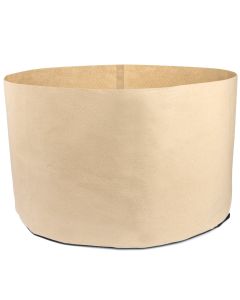
Using 247Garden Grow Bags as Compost Bags
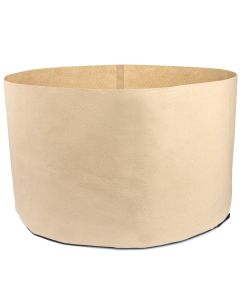
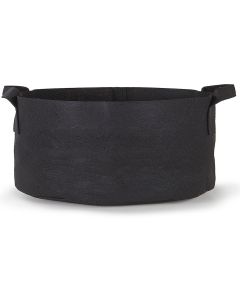
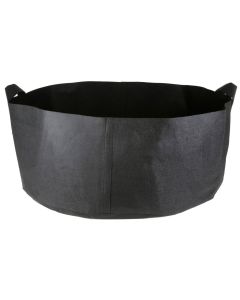
Composting is one of the best ways to recycle organic waste and create nutrient-rich soil for your garden. While many people use plastic bins or wooden enclosures, 247Garden Grow Bags offer a simple, effective, and eco-friendly alternative. The breathable fabric design makes them perfect for composting, allowing air and moisture to circulate while holding large amounts of organic material.
Why Choose Grow Bags for Composting
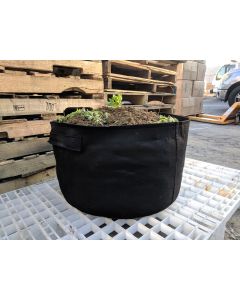
Unlike solid bins that trap moisture and restrict airflow, 247Garden Grow Bags naturally provide aeration. This airflow helps beneficial microbes break down kitchen scraps, yard waste, and leaves more efficiently. The fabric also drains excess water, preventing soggy compost and reducing odors. When it’s time to collect finished compost, you can easily tip the bag over or scoop it directly from the top.
Using a Cover for Better Results
Adding a cover to your compost grow bag can improve the process and protect your pile. A simple tarp or fitted lid works well. Here’s why covering helps:
- Moisture Control: Prevents the pile from getting waterlogged during heavy rain and helps retain moisture in hot weather.
- Heat Retention: Traps warmth inside the pile, speeding up decomposition and helping maintain consistent composting temperatures.
- Pest Prevention: Keeps animals, insects, and rodents from disturbing the compost.
- Odor Reduction: Helps contain any smells that may develop during breakdown.
Best Grow Bag Sizes for Composting
The ideal composting sizes range from 40 to 100 gallons, depending on your needs:
- 40-Gallon: Compact and beginner-friendly, great for small gardens or limited spaces.
- 50-Gallon: Balanced size, heats up quickly and produces steady compost.
- 65-Gallon: Medium-large option, perfect for families generating regular organic waste.
- 80-Gallon: Large capacity, ideal for serious gardeners needing more compost supply.
- 100-Gallon: Maximum size, excellent for farms or anyone handling large amounts of organic material.
Tips for Success
- Place the grow bag directly on soil so worms and beneficial microbes can join the process.
- Balance green waste (food scraps, grass) with brown waste (dry leaves, cardboard).
- Keep compost damp but not soaked, similar to a wrung-out sponge.
- Mix or turn the compost every few weeks to keep decomposition active.
- Use a cover to protect your pile and keep conditions stable.
Final Thoughts
Using 247Garden Grow Bags as compost bags is a smart, space-saving solution for turning everyday waste into valuable compost. With sizes ranging from 40 to 100 gallons, there’s a perfect option for every gardener, from small backyards to large farms. Strong, breathable, and reusable, these grow bags—especially when paired with a cover—make composting easy and efficient.
-
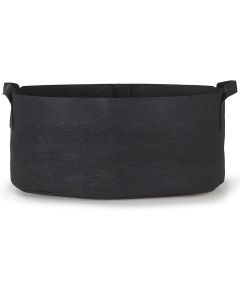
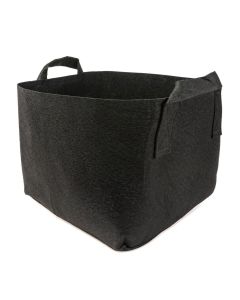
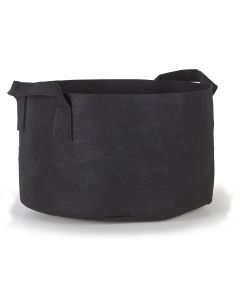
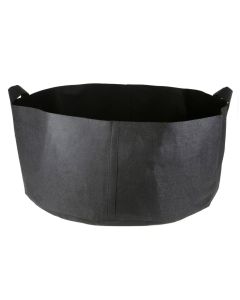
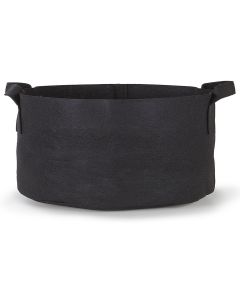
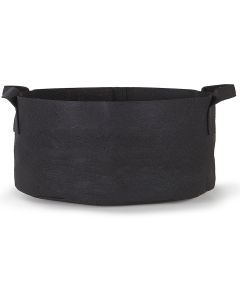
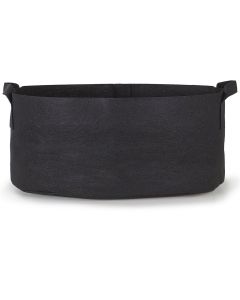
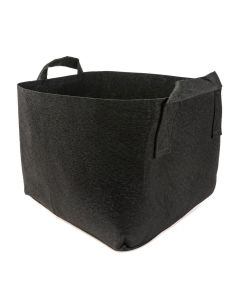
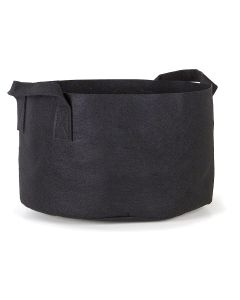 247Garden 40-Gallon Aeration Fabric Pot/Plant Grow Bag w/Handles (Black 17H x 26.5D)Special Price $3.99 Regular Price $4.99
 -
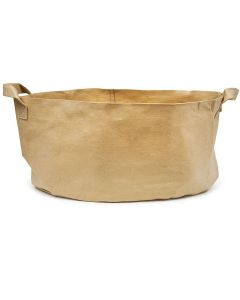
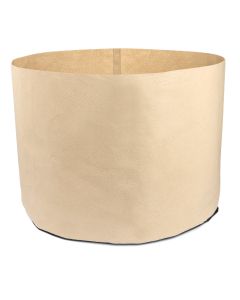
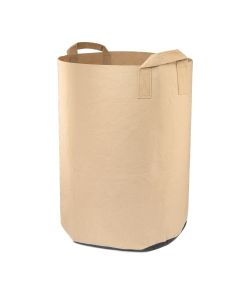
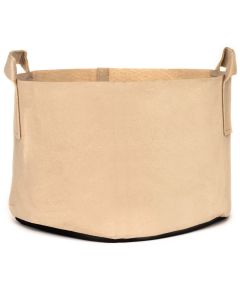
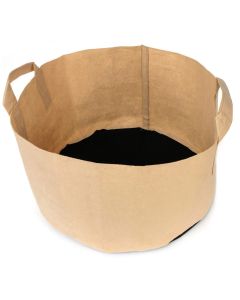
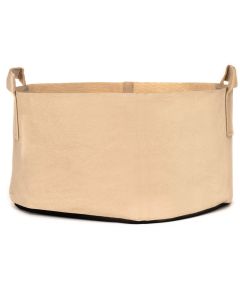
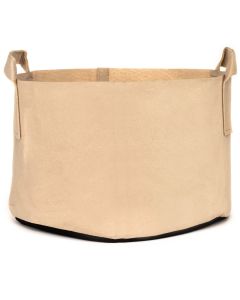 247Garden 40-Gallon Aeration Fabric Pot/Plant Grow Bag w/Handles (Tan w/Black Base 17H x 26.5D)Special Price $4.79 Regular Price $5.99
 -
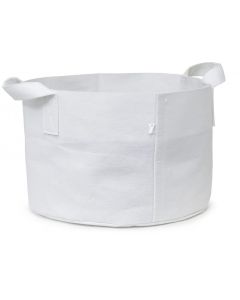
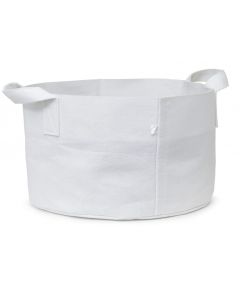
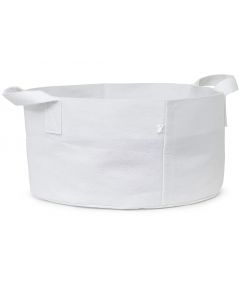
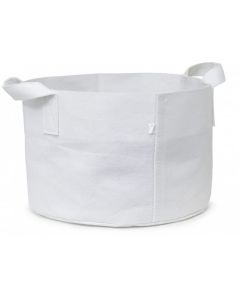 247Garden 40-Gallon Aeration Fabric Pot/Planting Grow Bag w/Handles (White 17H x 26.5D)Special Price $4.79 Regular Price $5.99
 -
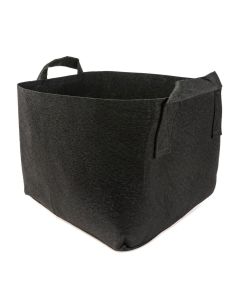
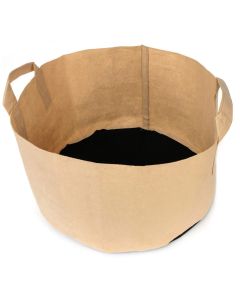 247Garden 400-Gallon Aeration Fabric Pot/Planters Grow Bag/Big Raised Garden Bed w/Handles (300GSM Tan w/Black Base 24H x 70D)Special Price $15.00 Regular Price $25.00Out of stock
 -
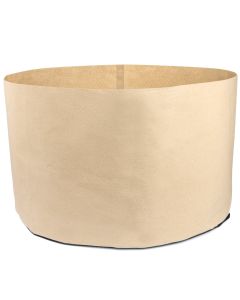
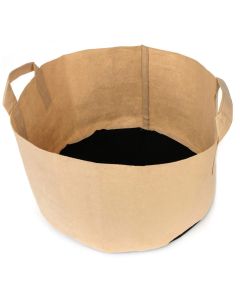 247Garden 50-Gallon Eco-Friendly Aeration Fabric Pot/Plant Grow Bag w/Handles (300GSM Tan w/Black Base 17H x 31D)Special Price $6.39 Regular Price $7.99
 -
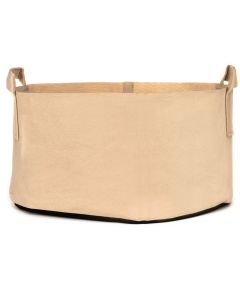 247Garden 500-Gallon Aeration Fabric Pot/Plant Grow Bag/Raised Garden Bed w/Handles (300GSM Tan w/Black Base 24H x 79D)Special Price $32.00 Regular Price $40.00
 -
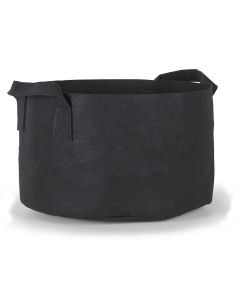 247Garden 50-Gallon Aeration Fabric Pot/Plant Grow Bag w/Handles (300GSM Black 17H x 31D)Special Price $5.39 Regular Price $6.74
 -
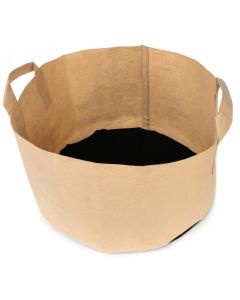 247Garden 80-Gallon Aeration Fabric Pot/Plant Grow Bag/Raised Garden Bed w/Handles (300GSM Tan w/Black Base 18H x 36.5D)Special Price $7.99 Regular Price $9.99
 -
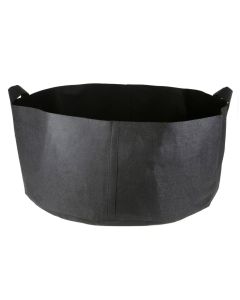
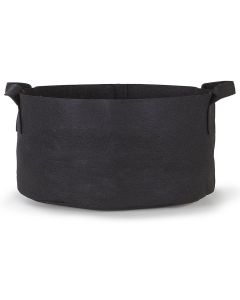 247Garden 80-Gallon Aeration Fabric Pot/Plant Grow Bag/Raised Garden Bed w/Handles (300GSM Black 18H x 36.5D)Special Price $7.00 Regular Price $8.88
 -
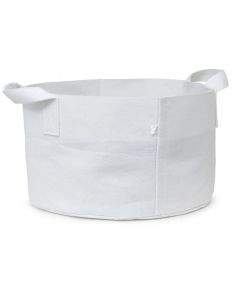 247Garden 80-Gallon Aeration Fabric Pot/Planting Grow Bag w/Handles (300GSM White 18H x 36.5D)Special Price $7.99 Regular Price $9.99
 -
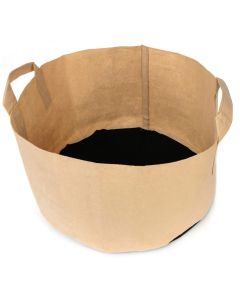 247Garden 100-Gallon Eco-Friendly Aeration Fabric Pot/Plant Grow Bag/Raised Garden Bed w/Handles (300GSM Tan w/Black Base 18H x 40D)Special Price $8.00 Regular Price $10.00
 -
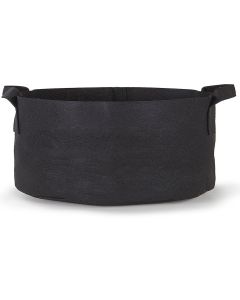 247Garden 100-Gallon Aeration Fabric Pot/Plant Grow Bag/Raised Garden Bed w/Handles (300GSM Black 18H x 40D)Special Price $7.50 Regular Price $10.00
 -
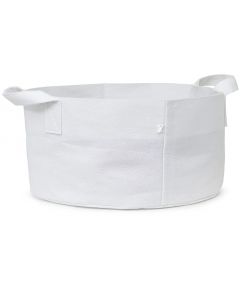 247Garden 100-Gallon Aeration Fabric Pot/Planting Grow Bag/Raised Garden Bed w/Handles (300GSM White 18H x 40D)Special Price $8.00 Regular Price $10.00
 -
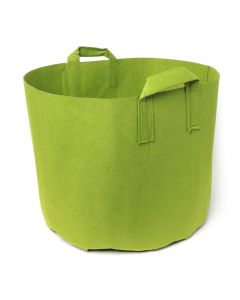
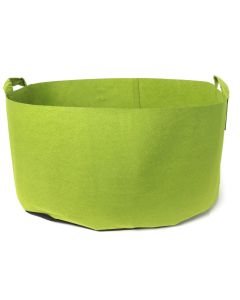
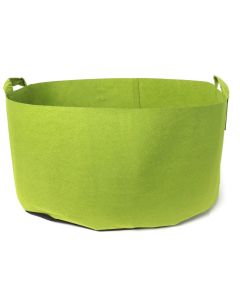
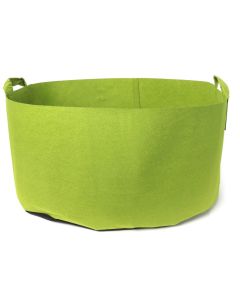
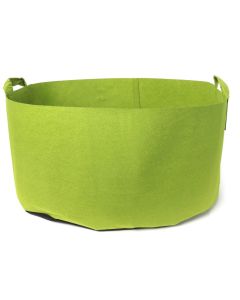 247Garden 200-Gallon Green Aeration Fabric Pot/Plant Grow Bag/Raised Garden Bed w/Handles 300GSM 24H x 50DSpecial Price $15.00 Regular Price $20.00
 -
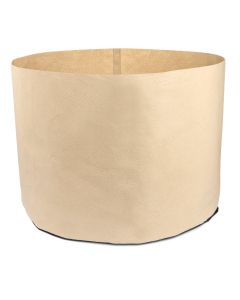
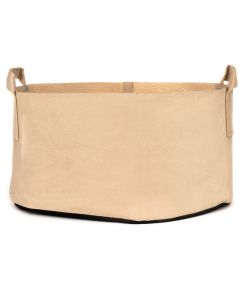 247Garden 200-Gallon Aeration Plant Grow Bag/Fabric Pot/Raised Garden Bed w/Handles (300GSM Tan w/Black Base 24H x 50D)Special Price $15.00 Regular Price $20.00
 -
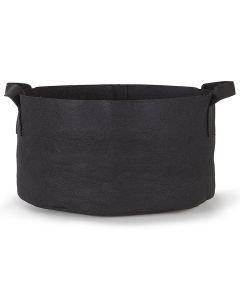 247Garden 200-Gallon Aeration Fabric Pot/Plant Grow Bag/Raised Garden Bed w/Handles (300GSM Black 24H x 50D)Special Price $15.00 Regular Price $20.00
 -
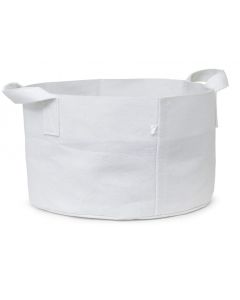 247Garden 200-Gallon Aeration Fabric Pot/Planting Grow Bag/Raised Garden Bed w/Handles (300GSM White 24H x 50D)Special Price $15.00 Regular Price $20.00