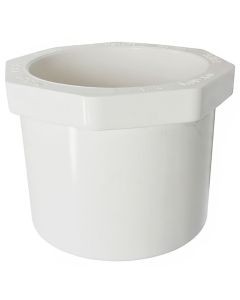
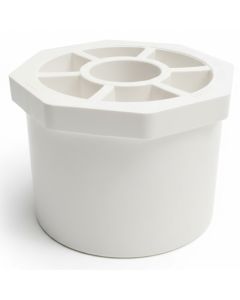
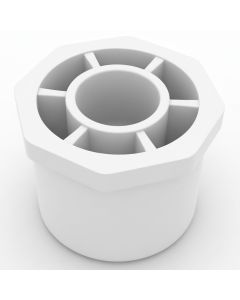
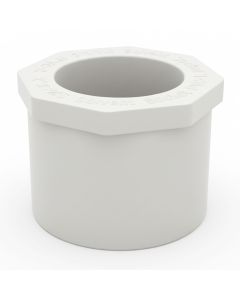
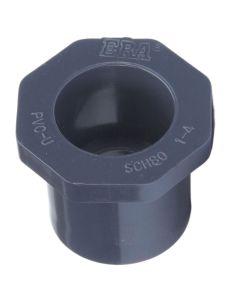
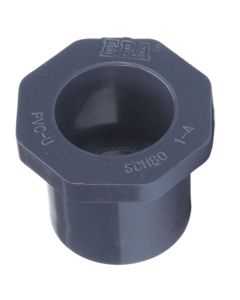
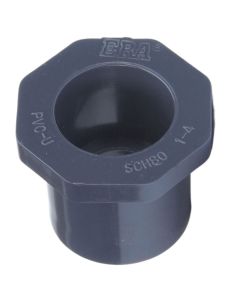
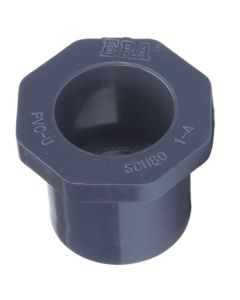
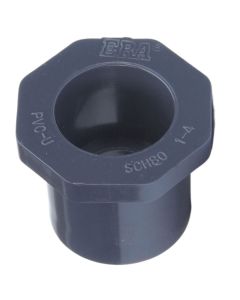
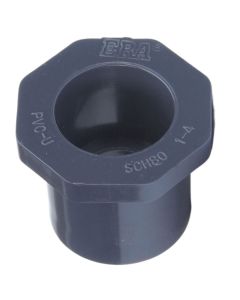
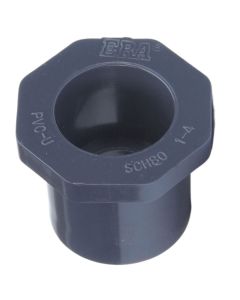
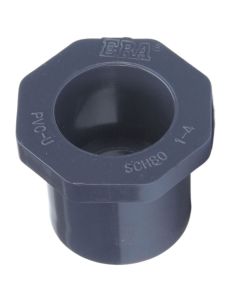
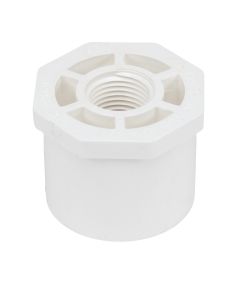
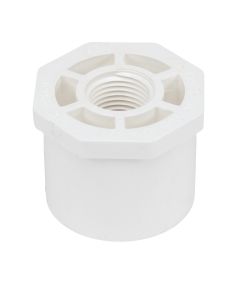
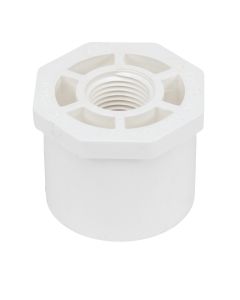
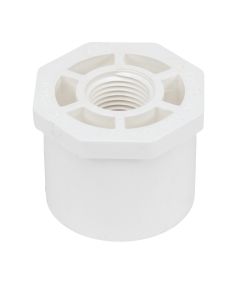
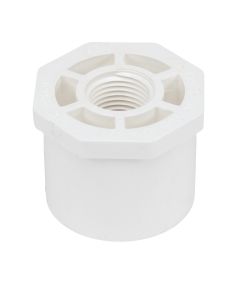
What are PVC Bushings?
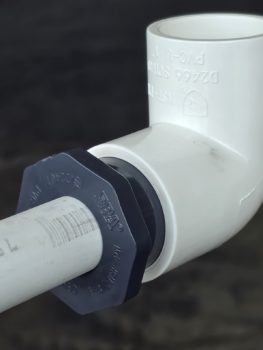
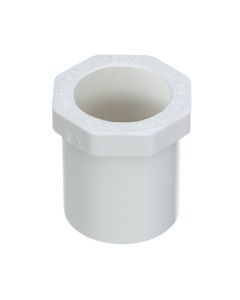
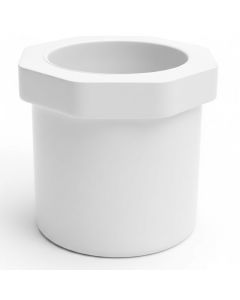
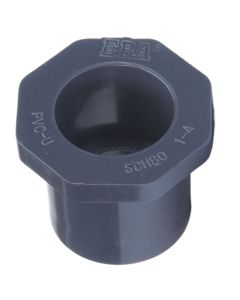
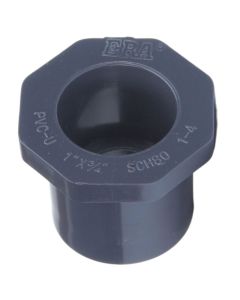
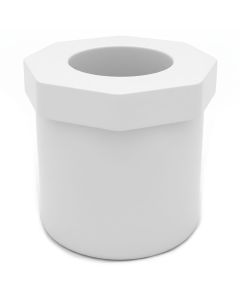
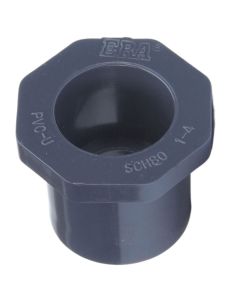
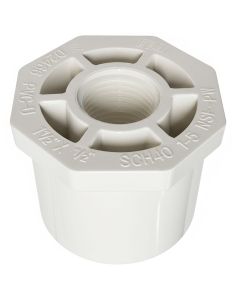
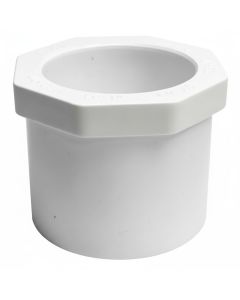
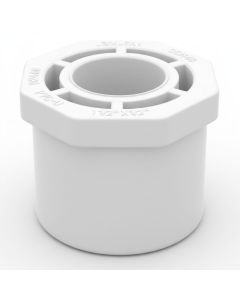
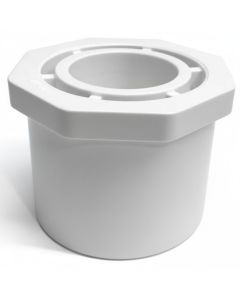
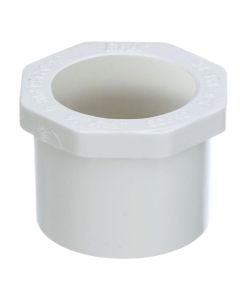
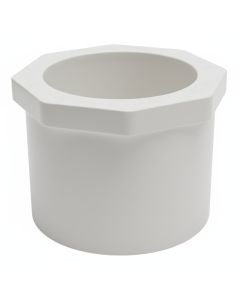
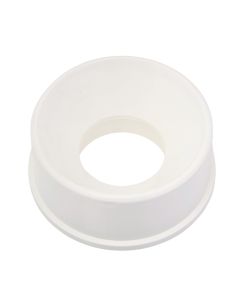
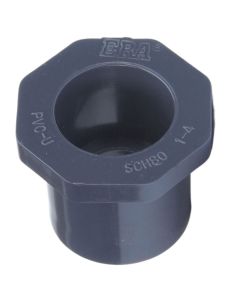
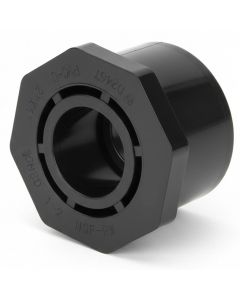
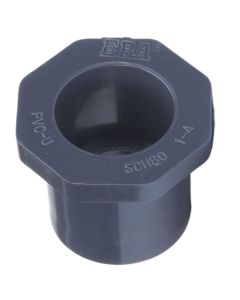
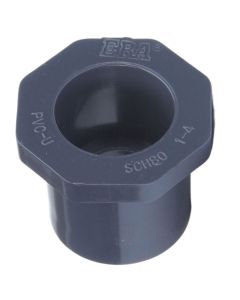
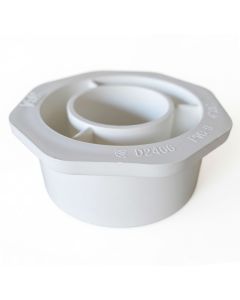
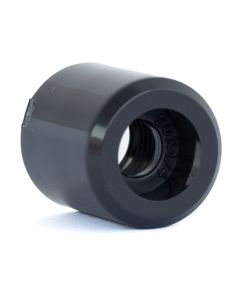
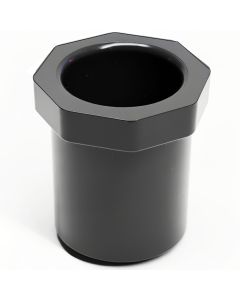
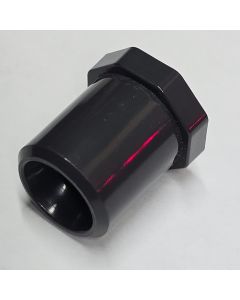
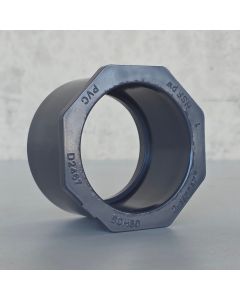
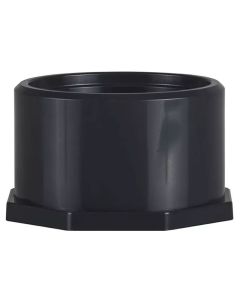
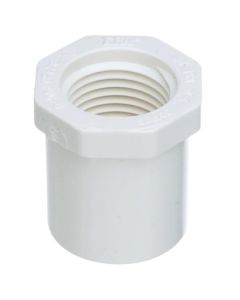
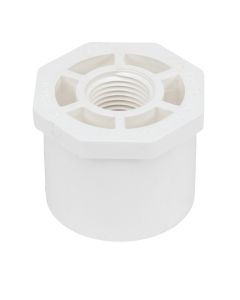
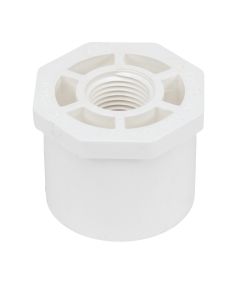
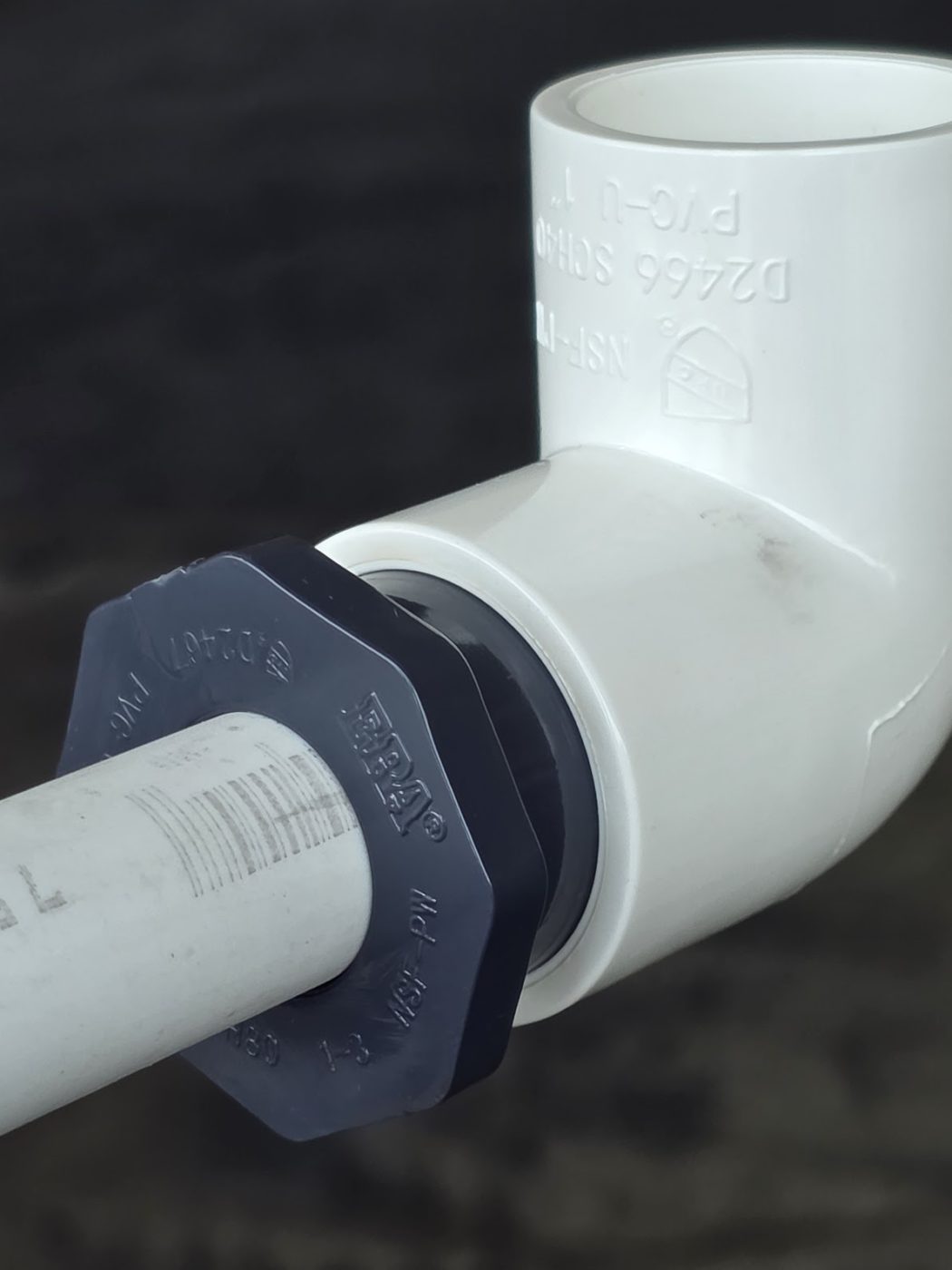
PVC bushings are reducer fittings used to connect two PVC pipes of different diameters. Typically made from Schedule 40 or Schedule 80 polyvinyl chloride (PVC), bushings are inserted into a larger fitting or pipe to reduce the opening and allow connection to a smaller pipe size. This makes them essential for adapting pipe systems where different flow capacities or pipe sizes are involved.
Key Features:
- Reducing Function: A bushing reduces the inside diameter of a fitting or pipe from one size to a smaller size.
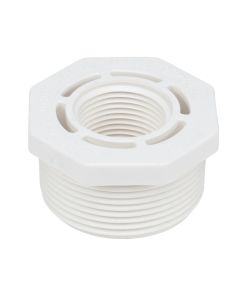
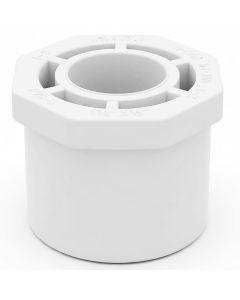
- Two Ends: Most PVC bushings feature a spigot (male) end that fits inside a socket, and a female threaded or socket interior that receives a smaller pipe.
- Rigid Construction: Made from corrosion-resistant and impact-resistant PVC, they are suitable for potable water, irrigation, chemical systems, and drainage.
- Permanent or Threaded Types: Available in both solvent-weld (glue-on) and NPT-threaded configurations, depending on system design.
Common Types of PVC Bushings:
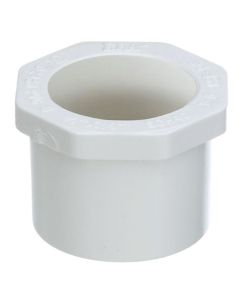
- Slip x Slip Reducer Bushing – Both ends are socket-style for cementing pipes.
- Spigot x Slip Bushing – Spigot end inserts into a larger fitting; smaller pipe inserts into slip end.
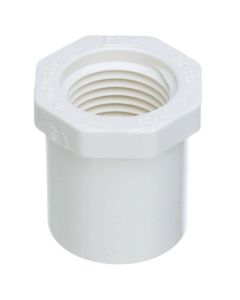
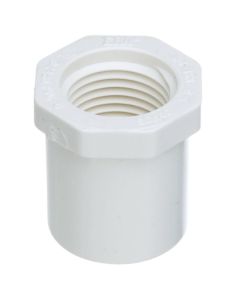
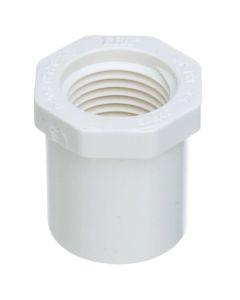
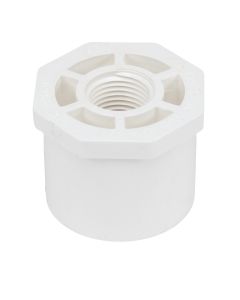
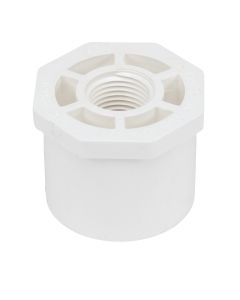
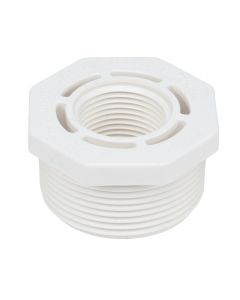
- Spigot x Female Thread (FNPT) Bushing – Commonly used to provide a threaded outlet from a larger slip connection.
Example from 247Garden:
- 3/4" Spigot x 1/2" FNPT Schedule 40 PVC Bushing – Used to convert a 3/4" socket fitting to a 1/2" female threaded connection. Perfect for installing a threaded valve, hose bib, or pressure gauge into a 3/4" pipe system.
Applications:
- Irrigation system line size reduction
- Plumbing systems requiring NPT thread integration
- Hydroponic and aquaponic setups
- Water filtration and pressure regulator mounting
- Transition from large mainline to small branch line
PVC bushings are compact, reliable, and affordable, making them an essential fitting for professionals and DIY users alike who need to adapt piping configurations without reworking entire systems.
Related Products