What Gardeners Think About Biodegradable Seedling Pots
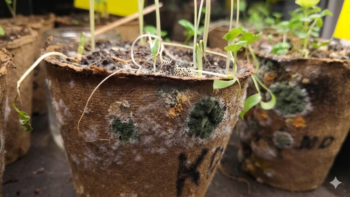
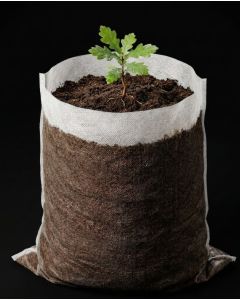
Biodegradable seedling pots are marketed as an eco-friendly alternative to plastic trays, designed to break down in soil and reduce transplant shock. In practice, opinions are mixed, and the real-world performance often differs from expectations.
Overall, biodegradable pots are appreciated for their concept, but they tend to create several recurring problems in typical gardening conditions.
Common Issues With Biodegradable Seedling Pots
Mold and White Fungal Growth
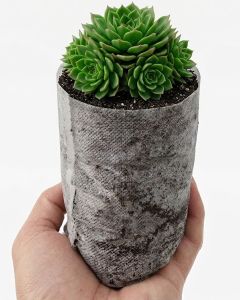
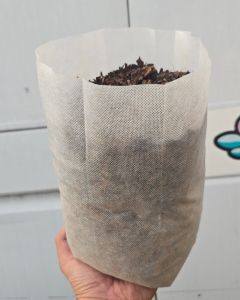
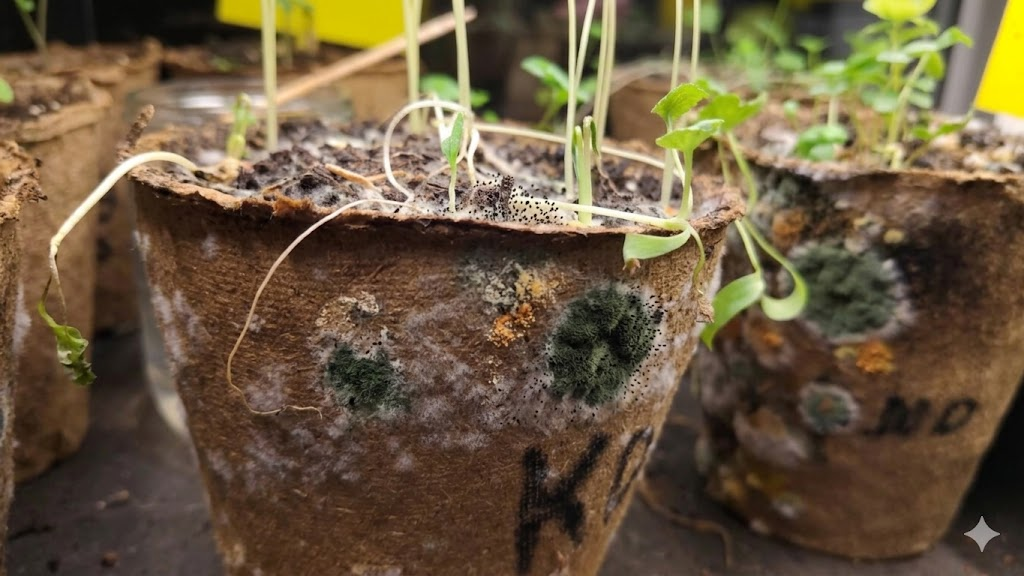
One of the most frequent issues is the development of mold or white fuzzy growth on the outside of the pots.
This is especially common when:
- Soil stays consistently moist
- Humidity is high
- Weather conditions are rainy or damp
- Air circulation is limited
Because the pots are made from organic fiber materials, they naturally retain moisture and can become a surface for fungal growth under the right conditions.
Poor Breakdown in Soil
Although labeled biodegradable, these pots often do not decompose quickly once planted.
Common observations include:
- Pots remaining intact for months after planting
- Visible remnants still present in soil after long periods
- Material persisting even in compost systems
Instead of breaking down seamlessly, the structure can remain intact long enough to interfere with root expansion.
Root Restriction Problems
Another common issue is that roots do not always penetrate the pot walls easily.
This can lead to:
- Roots circling inside the pot
- Delayed root expansion into surrounding soil
- Restricted early plant development
The expectation that the pot will simply disappear often does not match how slowly the material actually breaks down underground.
Water Management Challenges
Biodegradable pots can behave unpredictably with moisture.
Typical issues include:
- Soil drying unevenly
- Excess moisture retention in wet climates
- Water loss through pot walls in dry environments
- Difficulty maintaining consistent moisture levels
The material absorbs and releases water differently than plastic or fabric alternatives, which can make irrigation less stable.
Structural Weakness
These pots tend to lose strength when exposed to repeated watering.
Common results include:
- Softening and deformation
- Difficulty handling during transplanting
- Tearing or collapsing when saturated
This can make them inconvenient when moving seedlings or upgrading container sizes.
Eco-Friendly Appeal vs Practical Performance
The main appeal of biodegradable seedling pots is environmental: reducing plastic use and allowing direct planting. However, in practical use, the benefits are often offset by performance issues such as slow breakdown and moisture-related problems.
Advantages of Biodegradable Seedling Pots
Despite their drawbacks, they still offer some benefits:
- Reduced use of plastic containers
- Potential for reduced transplant disturbance in theory
- Compostable material composition
- Convenient for direct planting in certain situations
Drawbacks of Biodegradable Seedling Pots
Common downsides include:
- Mold and fungal growth
- Slow or incomplete decomposition
- Root restriction
- Inconsistent moisture behavior
- Weak structural integrity
- Variable performance depending on conditions
A More Reliable Alternative: Fabric Seedling Pots
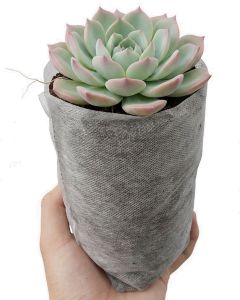
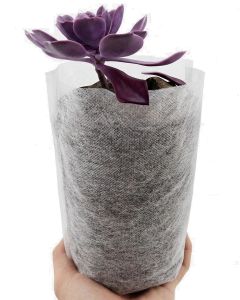
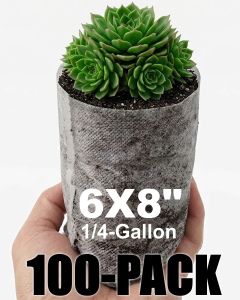
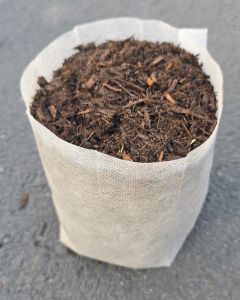
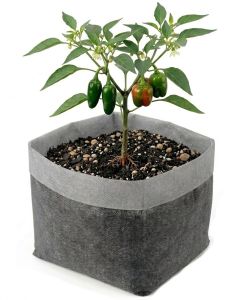
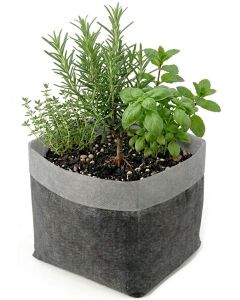
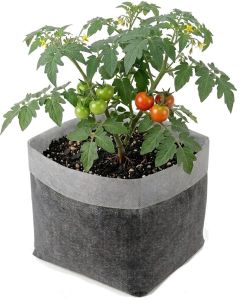
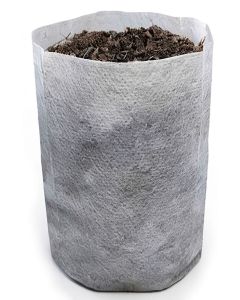
For growers looking for a more consistent option without the issues commonly associated with biodegradable pots, fabric seedling pots offer a practical alternative.
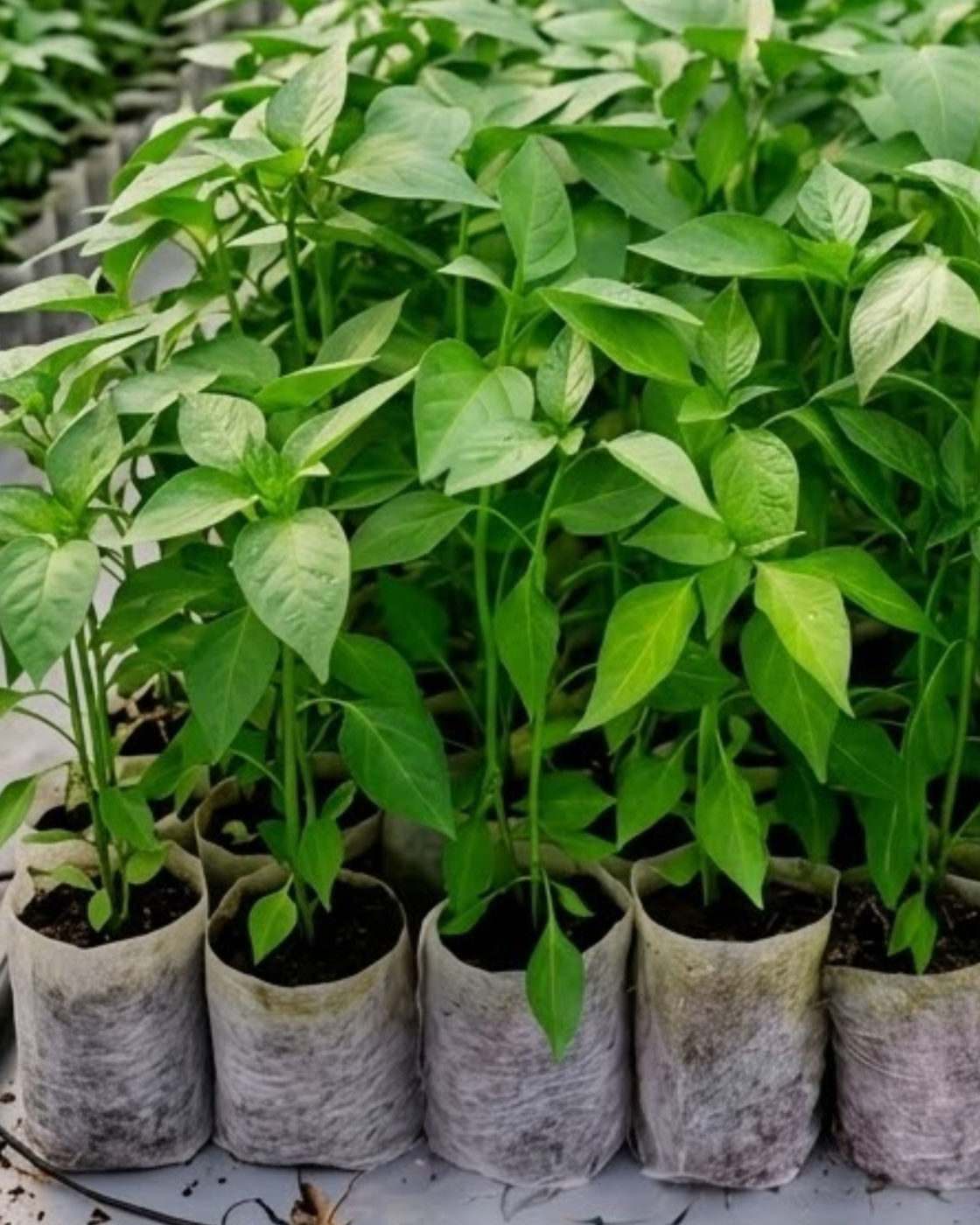
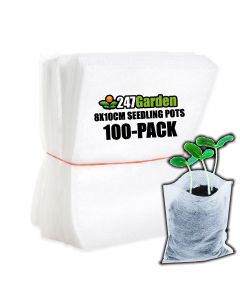
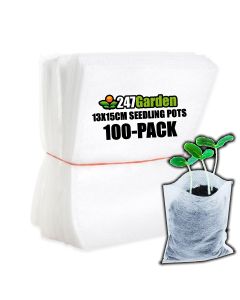
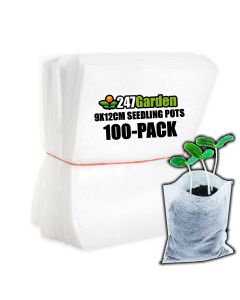
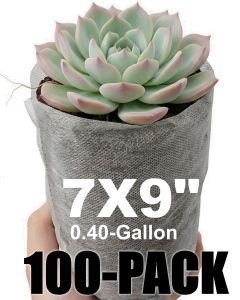
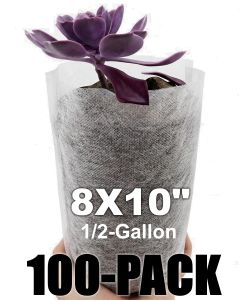
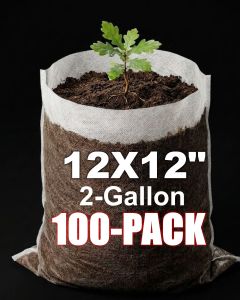
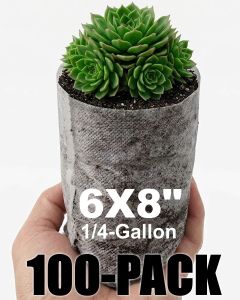
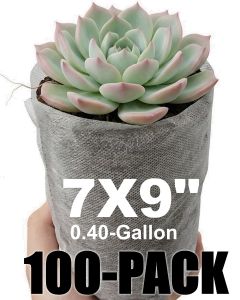
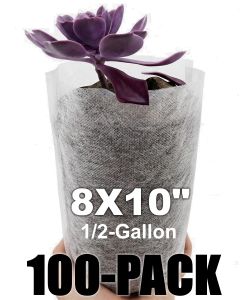
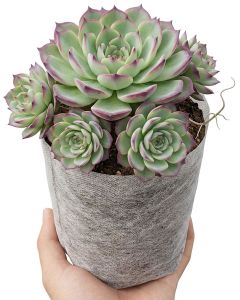
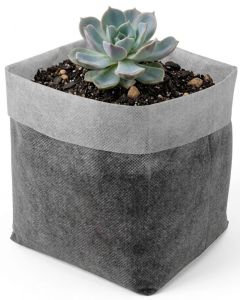
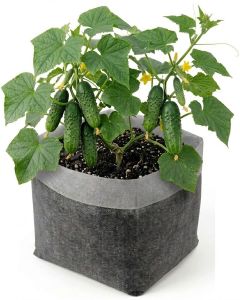
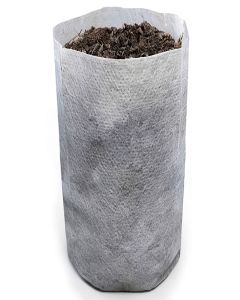
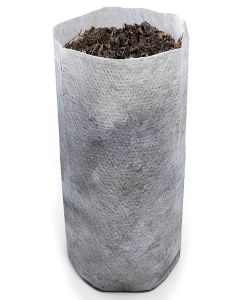
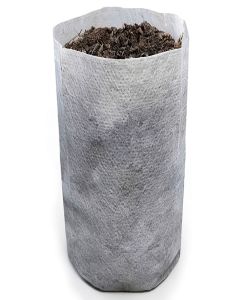
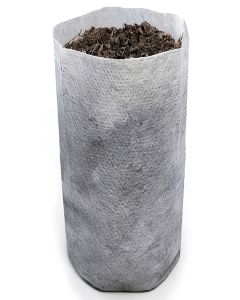
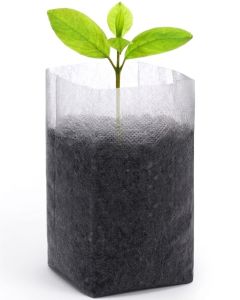
247Garden fabric seedling pots are designed with breathability and plant health in mind. Unlike dense organic pots that stay damp and break down unpredictably, fabric allows for steady airflow and more balanced moisture control around the root zone.
A key advantage is material safety and quality. All 247Garden seedling pots are made with 100% all-new raw material and are BPA-free and toxic-free, providing a clean growing environment without recycled or unknown-source plastics.
Why 247Garden Fabric Seedling Pots Perform Differently
Because of the breathable non-woven fabric structure, these pots support more stable growing conditions:
- More consistent moisture control through better drainage and evaporation
- Improved oxygen flow to roots for healthier development
- Reduced risk of mold compared to constantly damp organic pots
- Natural air pruning that prevents root circling
- Easier transplanting with less root disturbance
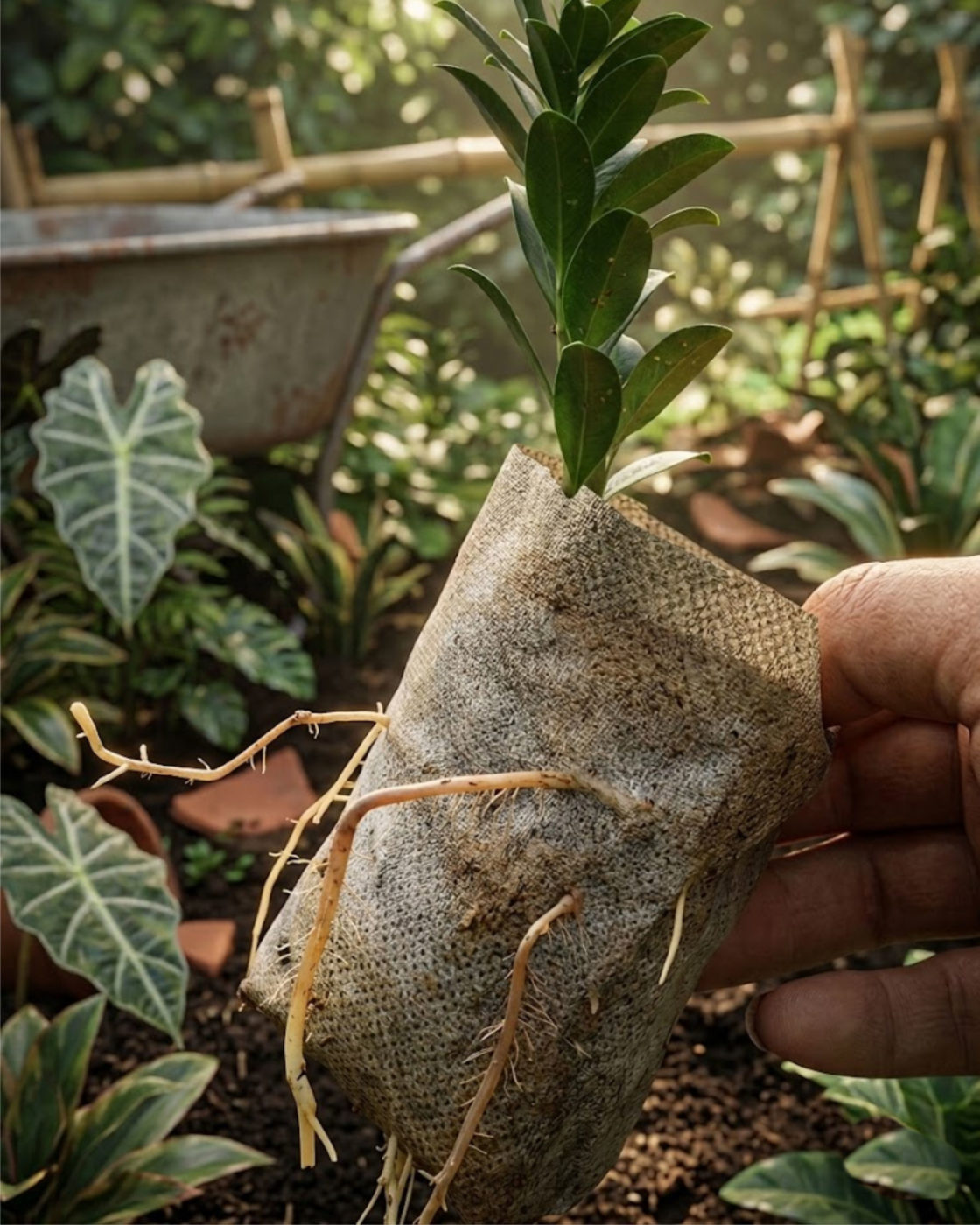
The fabric used (typically 25GSM to 60GSM) is lightweight enough to allow smooth root transition while still providing structure during early plant growth.
Benefits of 247Garden Fabric Seedling Pots
Healthier Root Development
Improved airflow encourages branching roots and prevents circling.
Smoother Transplanting
Plants transition more easily into larger containers or garden beds.
Better Moisture Balance
Drainage and aeration help prevent overly wet or overly dry conditions.
Reduced Mold Issues
The breathable material avoids the constant dampness that encourages fungal growth.
Durable and Reusable Design
Fabric maintains structure better than biodegradable materials under repeated watering.
Final Thoughts
Biodegradable seedling pots offer an appealing eco-friendly idea, but their performance often comes with challenges such as slow breakdown, moisture instability, and mold development.
For gardeners seeking a more reliable and consistent seed-starting method, 247Garden fabric seedling pots provide a practical alternative that supports healthier root systems and smoother transplanting, while using BPA-free, toxic-free, 100% all-new raw materials for a cleaner and more dependable growing environment.
-
 247Garden California Organic Loquat Seed Limited Edition x 1pc$0.05 As low as $0.040 in stockOut of stock
 -
 247Garden 1/2-Gallon Tall Starter Plant Grow Bag White 40GSM Fabric Pot 4D x 9H$0.1519775 in stock