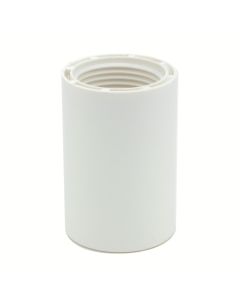
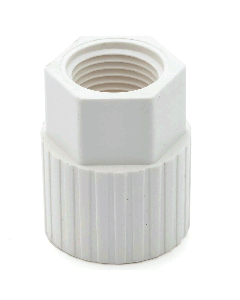
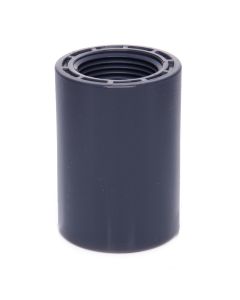
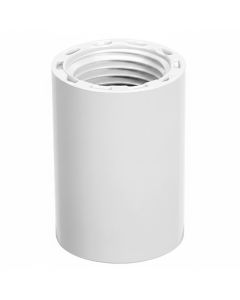
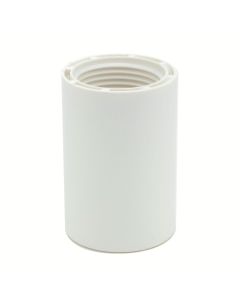
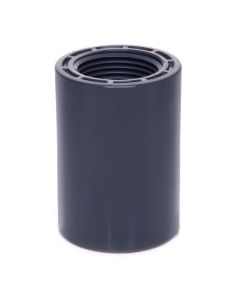
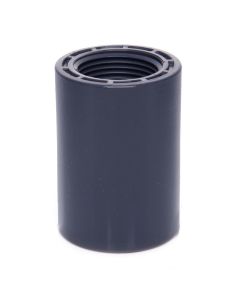
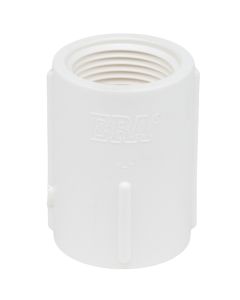
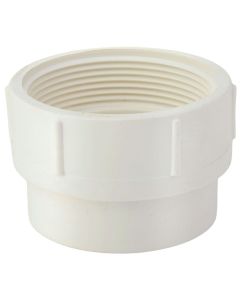
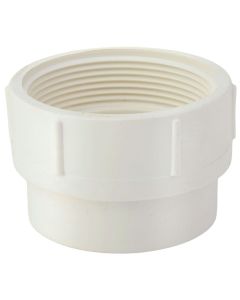
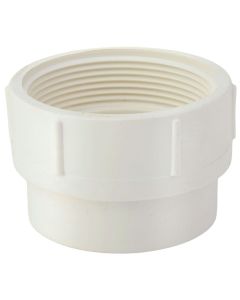
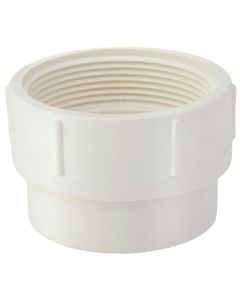
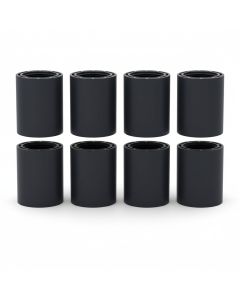
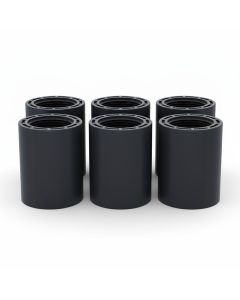
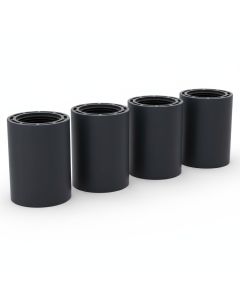
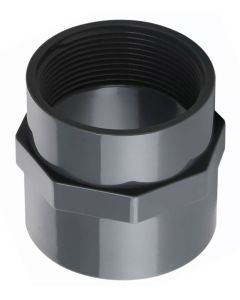
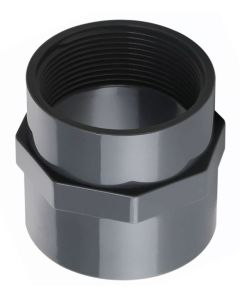
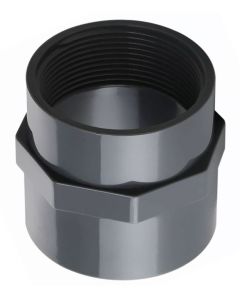
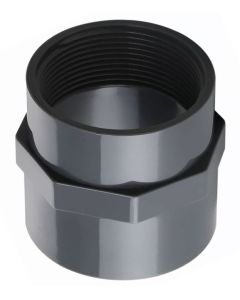
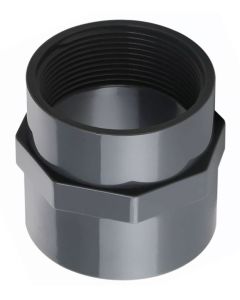
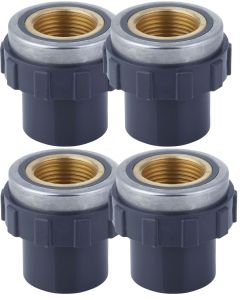
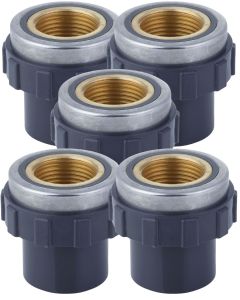
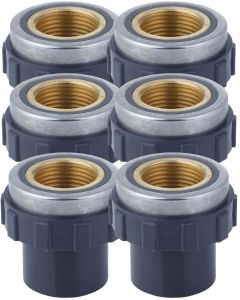
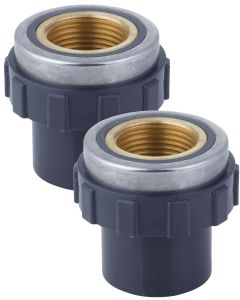
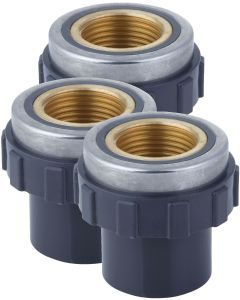
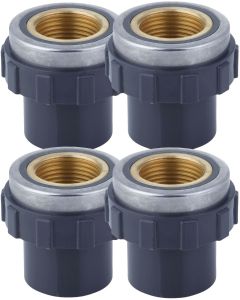
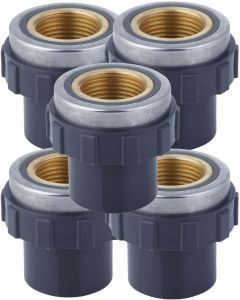
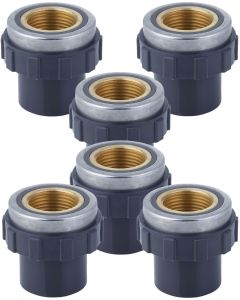
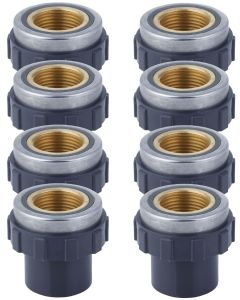
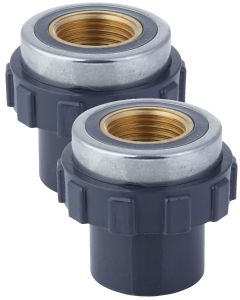
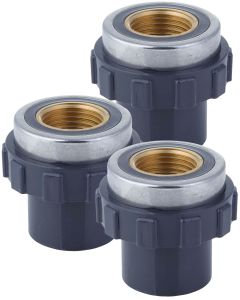
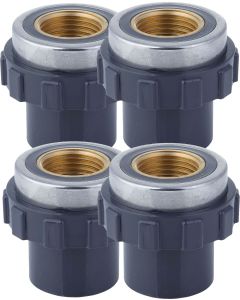
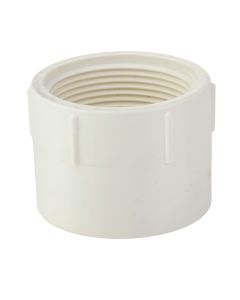
The Most Common Reason PVC SCH-40/SCH-80 Female Adapters Leak
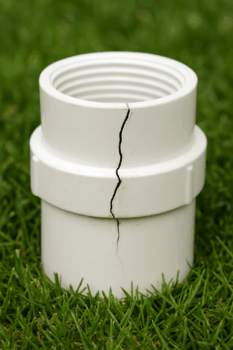
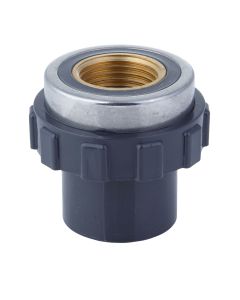
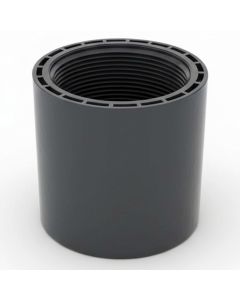
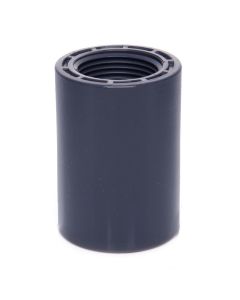
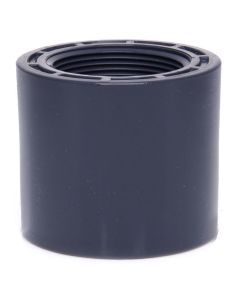
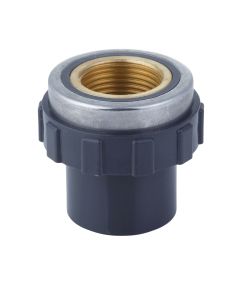
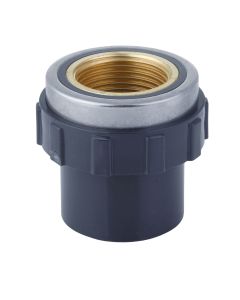
If you’ve worked with PVC Schedule 40 or Schedule 80 fittings long enough, you’ve probably run into the dreaded leaky female adapter. It’s one of the most common problem fittings in the PVC world, and the root cause is almost always the same: over-tightening.
Why Over-Tightening Causes Leaks
When threading a male PVC nipple into a female adapter, it’s tempting to think, “The tighter, the better.” But in reality, tightening too much is the easiest way to damage the fitting and cause leaks. Unlike metal fittings, PVC threads are tapered, soft, and not designed to withstand excessive force.
Once you over-tighten, several problems can occur:
- The female adapter can split microscopically (or visibly), creating hairline cracks that leak under pressure.
- The threads can distort, preventing the geometry from forming a proper seal.
- You may even wind up with a fitting that looks fine at first, but fails later when pressurized.
The Role of Teflon Tape
Here’s a common misunderstanding: people think Teflon tape makes the seal. It doesn’t.
The threads themselves do the sealing when correctly engaged. The Teflon tape is simply a lubricant and a protector:
- It allows the threads to glide smoothly without binding.
- It helps prevent galling (the seizing or tearing of threads).
- It lets you achieve the correct engagement without excessive force.
In other words, the tape doesn’t block water from escaping—it helps the fitting tighten just enough to reach the proper seal.
How Tight Is Tight Enough?
The best rule of thumb is: Hand tighten, then give it about a quarter turn more with a wrench. That’s it.
If your male nipple is threaded all the way in with no threads showing, you’ve gone too far. You should always see at least a thread or two exposed once properly tightened.
As the old saying goes:
- Tight is right.
- Too tight is broke.
That simple.
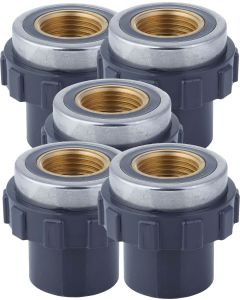
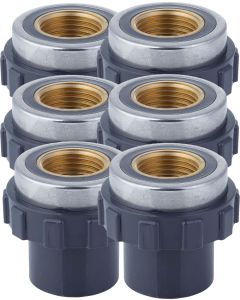
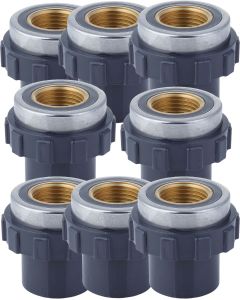
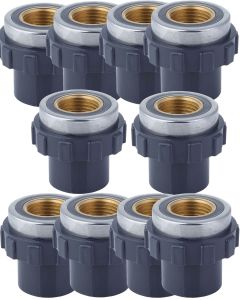
Why Female Adapters Are Tricky
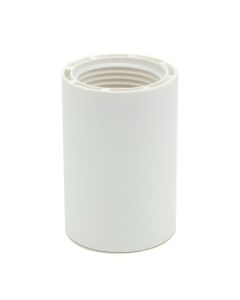
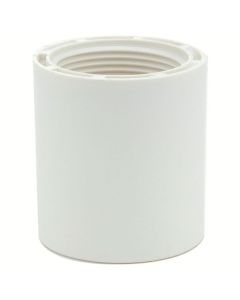
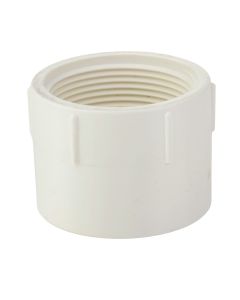
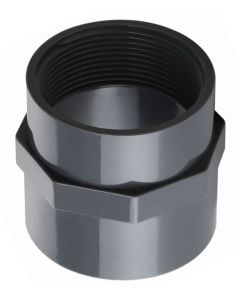
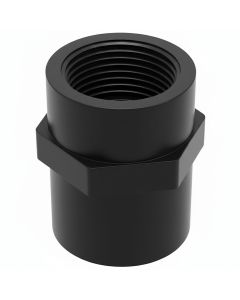
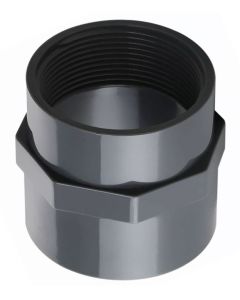
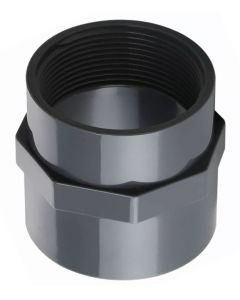
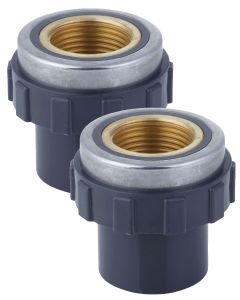
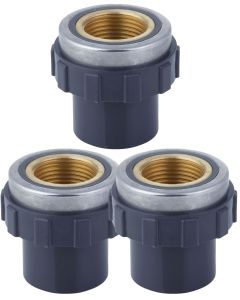
Female adapters are infamous for being the most commonly cracked PVC fitting. That’s because the pressure of tightening works against the “cup” shape of the fitting, forcing it outward. Schedule-80 female adapters are stronger than schedule-40, so they’ll tolerate a bit more abuse, but the principle is the same: overtighten, and it’s only a matter of time before leaks show up.
The Takeaway
If you’re seeing leaks in your PVC SCH40 or SCH80 female adapters, odds are the problem isn’t the material, the manufacturer, or even the Teflon tape—it’s the wrench. Teach your crew to respect the geometry of the fitting, let the tape do its job as a lubricant, and stop turning once snug.
Remember: It’s not about muscle—it’s about method.
Need Replacement Fittings?
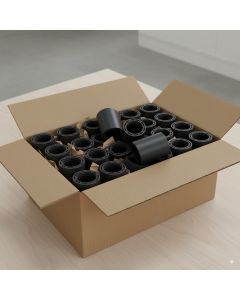
If you’ve overtightened and cracked a fitting, don’t sweat it—it happens to even the most experienced installers. The good news is that replacements are easy to find. At 247Garden, you’ll find a full selection of Schedule 40 and Schedule 80 PVC fittings—including female adapters, nipples, elbows, unions, and more—all NSF-certified and built to ASTM standards. Whether you need a single replacement or bulk fittings for a job site, 247Garden has you covered.