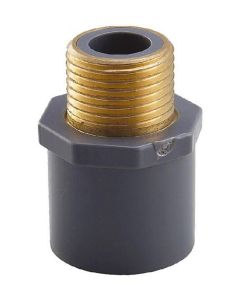
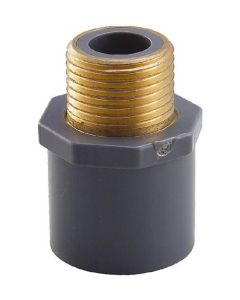
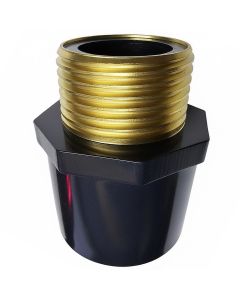
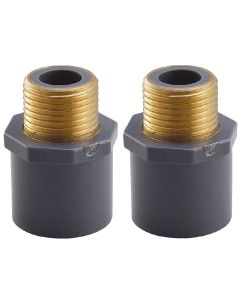
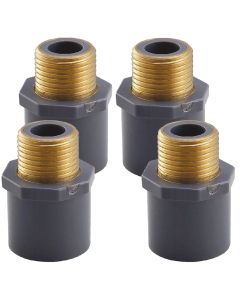
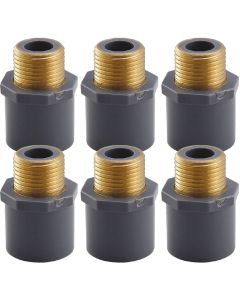
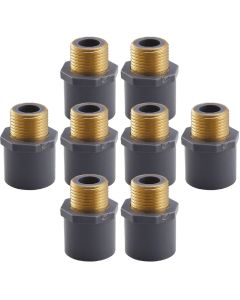
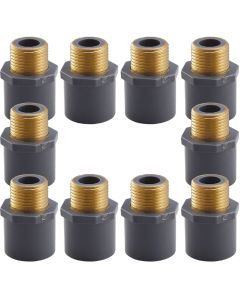
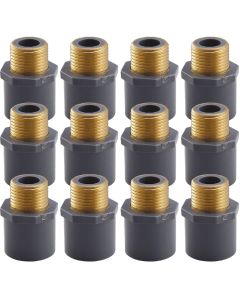
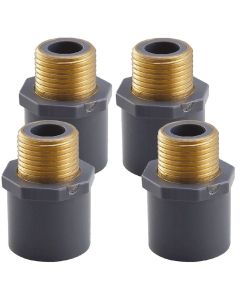
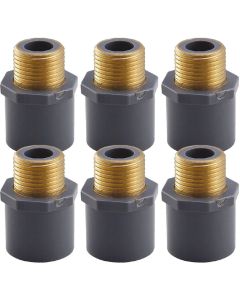
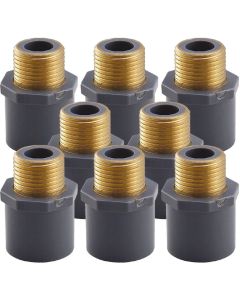
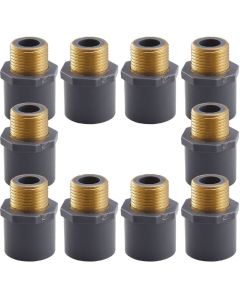
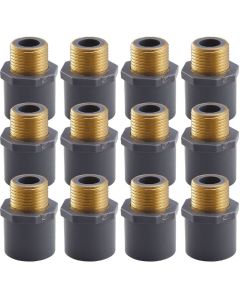
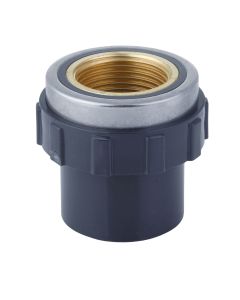
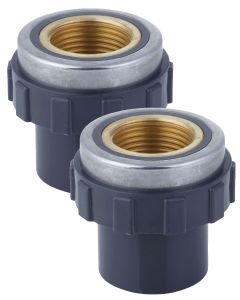
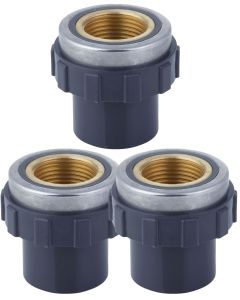
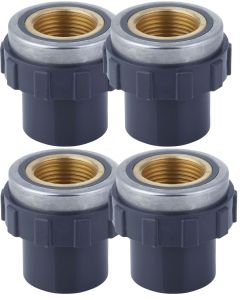
Why Brass Fittings Don't Belong in Your Aquarium?
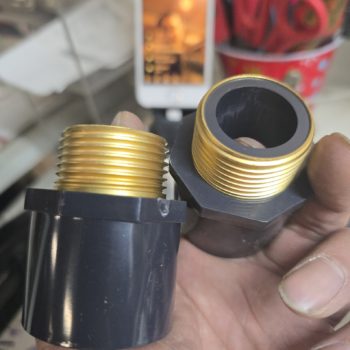
Using brass fittings in aquariums is generally not recommended, especially for freshwater or sensitive fish and invertebrates. Here’s why:
Why Brass Can Be a Problem:
- Brass Contains Copper:
- Brass is an alloy of copper and zinc. Even if it’s labeled “lead-free,” it can still leach copper ions into the water over time.
- Copper is toxic to many aquatic animals, especially:
- Shrimp and other invertebrates
- Snails
- Some species of fish (like scaleless fish or fry)
- Corrosion in Water:
- Brass will corrode over time in the presence of water, especially saltwater, accelerating the leaching of metals.
- Corrosion can also lead to contamination or mechanical failure of the fitting.
Acceptable Alternatives:
- Plastic (PVC or CPVC) — Safe, inexpensive, non-toxic, corrosion-resistant.
- Stainless Steel (Grade 316) — If you absolutely need a metal, 316 stainless steel (marine grade) is much more corrosion-resistant and aquarium-safe.
- Food-Grade Silicone Tubing — Good for flexible connections and non-reactive.
If You Must Use Brass:
If you already have brass components:
- Use them outside the water line (e.g., in external plumbing).
- Consider applying a food-grade epoxy coating to seal it — but this must be aquarium-safe and fully cured.
- Test copper levels regularly if any water passes through the brass.
Summary:
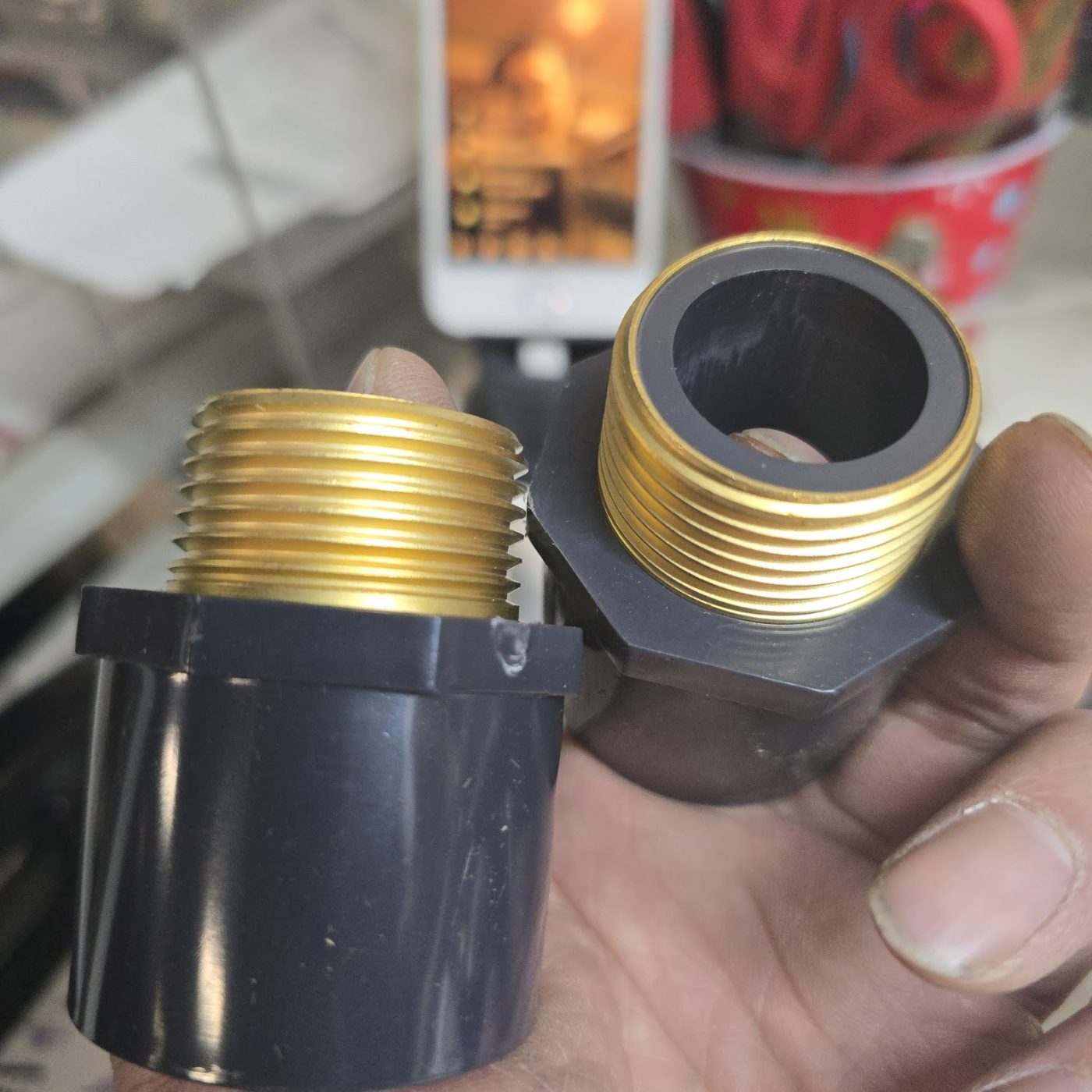
Avoid brass fittings in aquarium systems. Choose PVC, CPVC, or stainless steel (316) instead for safety and long-term health of aquatic life.
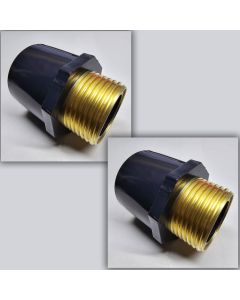
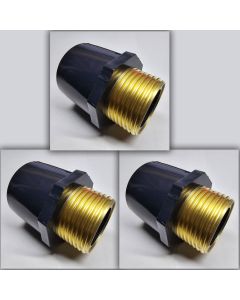
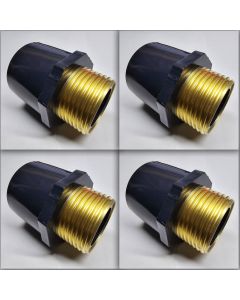
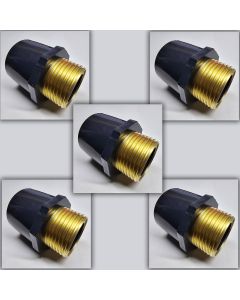
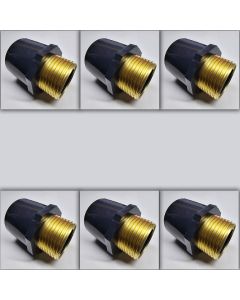
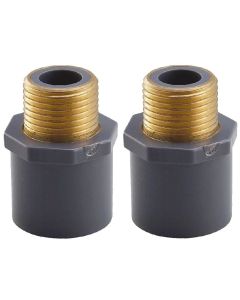
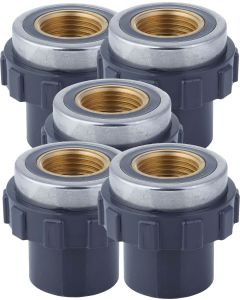
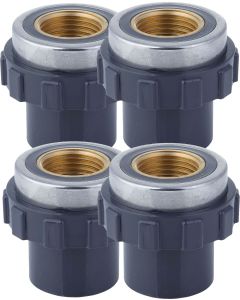
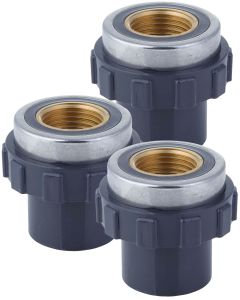
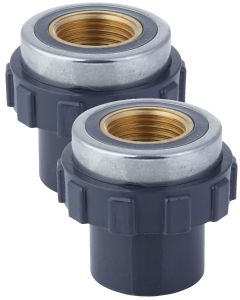
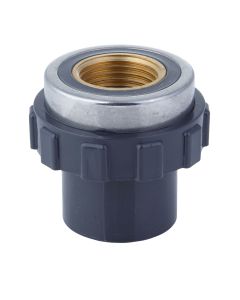
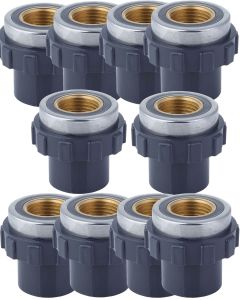
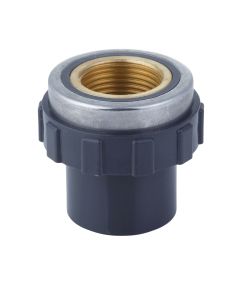
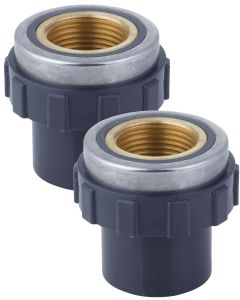
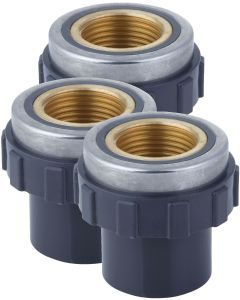
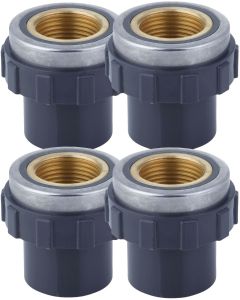
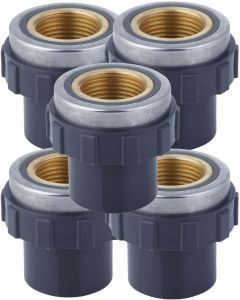
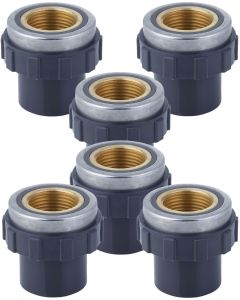
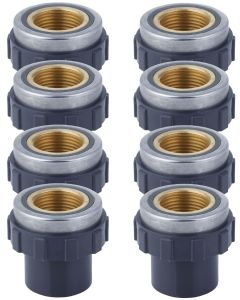
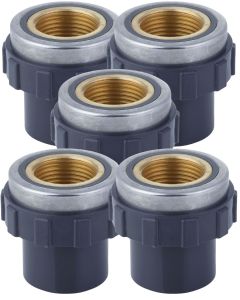
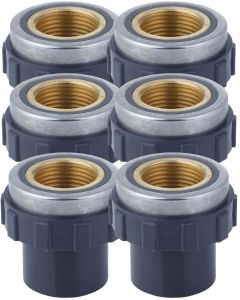
Of course if you are looking for brass PVC fittings, you can check them out here!
Related Products