How to Properly Install PVC End Caps: Slip & Female Threaded Types with Industry Standards
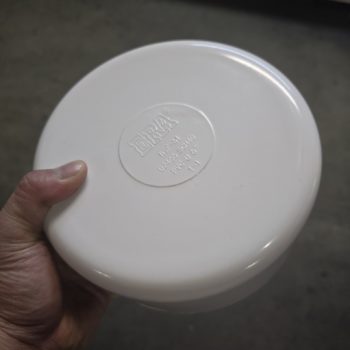
Absolutely! Here’s a fully rewritten, detailed blog post that includes slip and female threaded PVC end caps, ASTM and ANSI standards, and highlights 247Garden’s product range.
How to Properly Install PVC End Caps: Slip & Female Threaded Types with Industry Standards
Sealing the end of a PVC pipe properly is crucial to ensure leak-free, durable piping systems in plumbing, irrigation, industrial, or DIY projects. Choosing the right PVC end cap and installing it according to best practices and industry standards will save you time and costly repairs down the line.
This comprehensive guide explains everything you need to know about installing both slip (socket) end caps and female threaded end caps, including important standards like ASTM and ANSI, plus why 247Garden PVC End Caps are an excellent choice for your project.
Understanding PVC End Caps: Slip vs Female Threaded
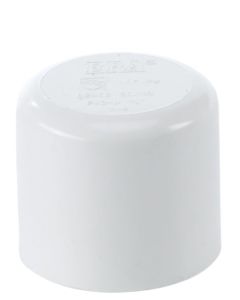
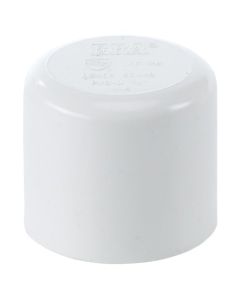
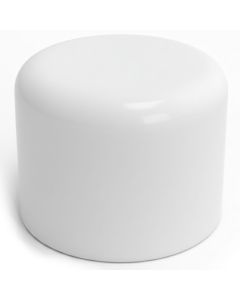
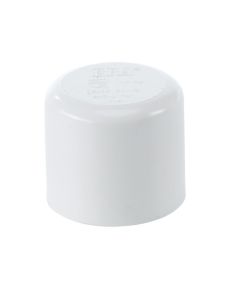
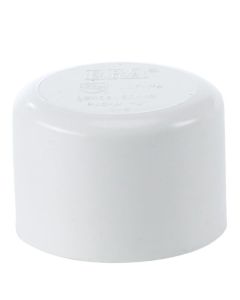
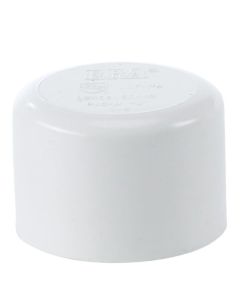
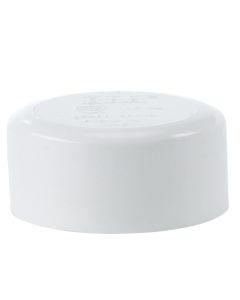
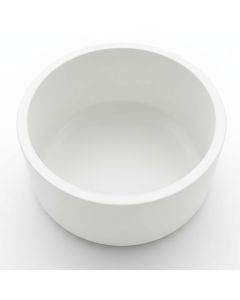
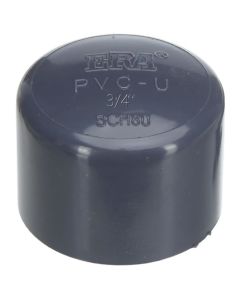
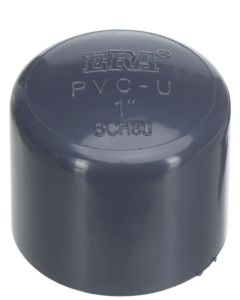
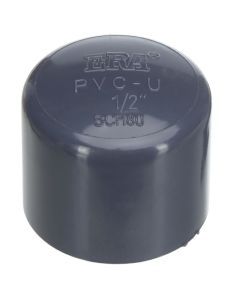
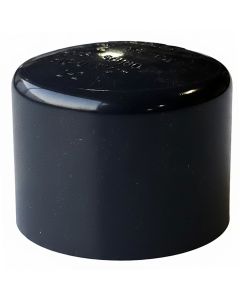
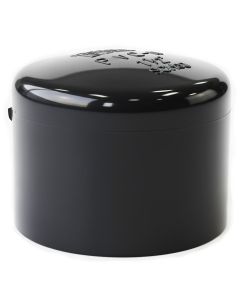
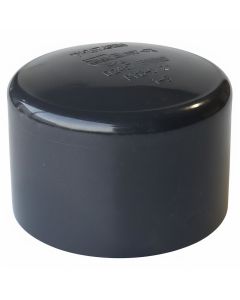
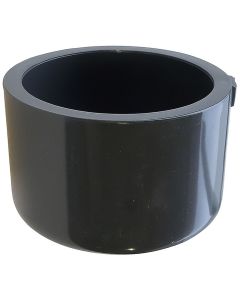
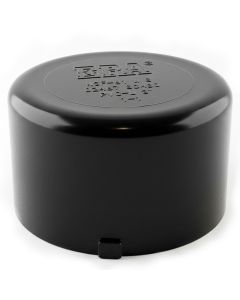
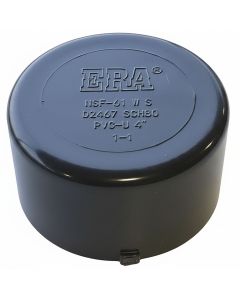
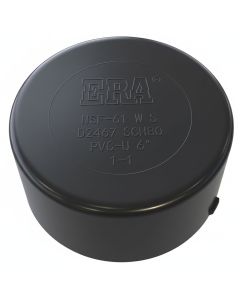
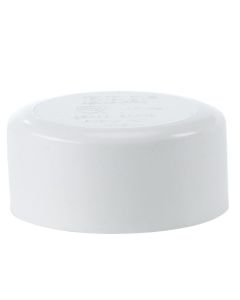
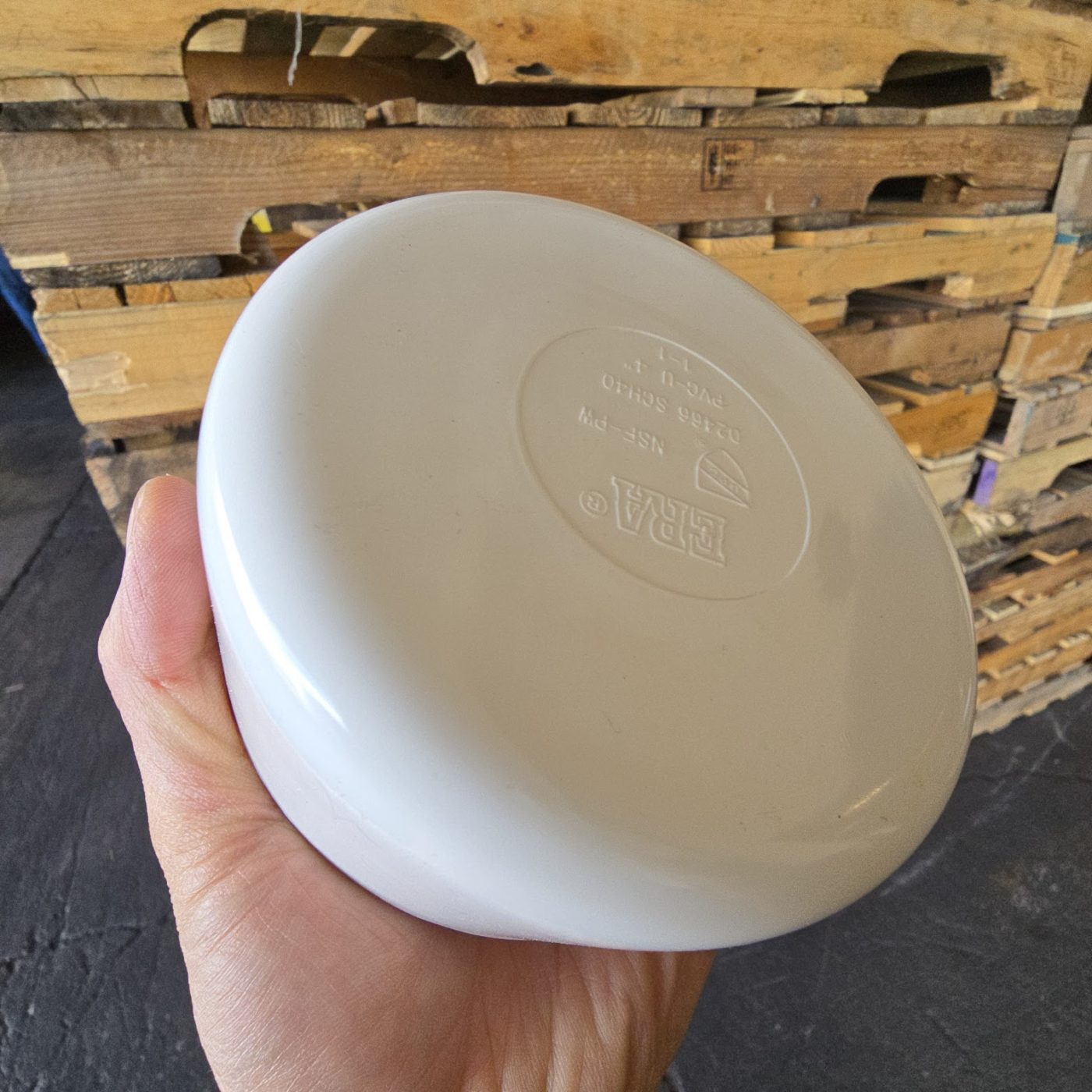
Slip (Socket) End Caps
- Designed to slip over the outside of a plain pipe end
- Installed using PVC primer and solvent cement (glue)
- Provide a permanent, seamless seal
- Commonly used in plumbing, irrigation, and water supply lines
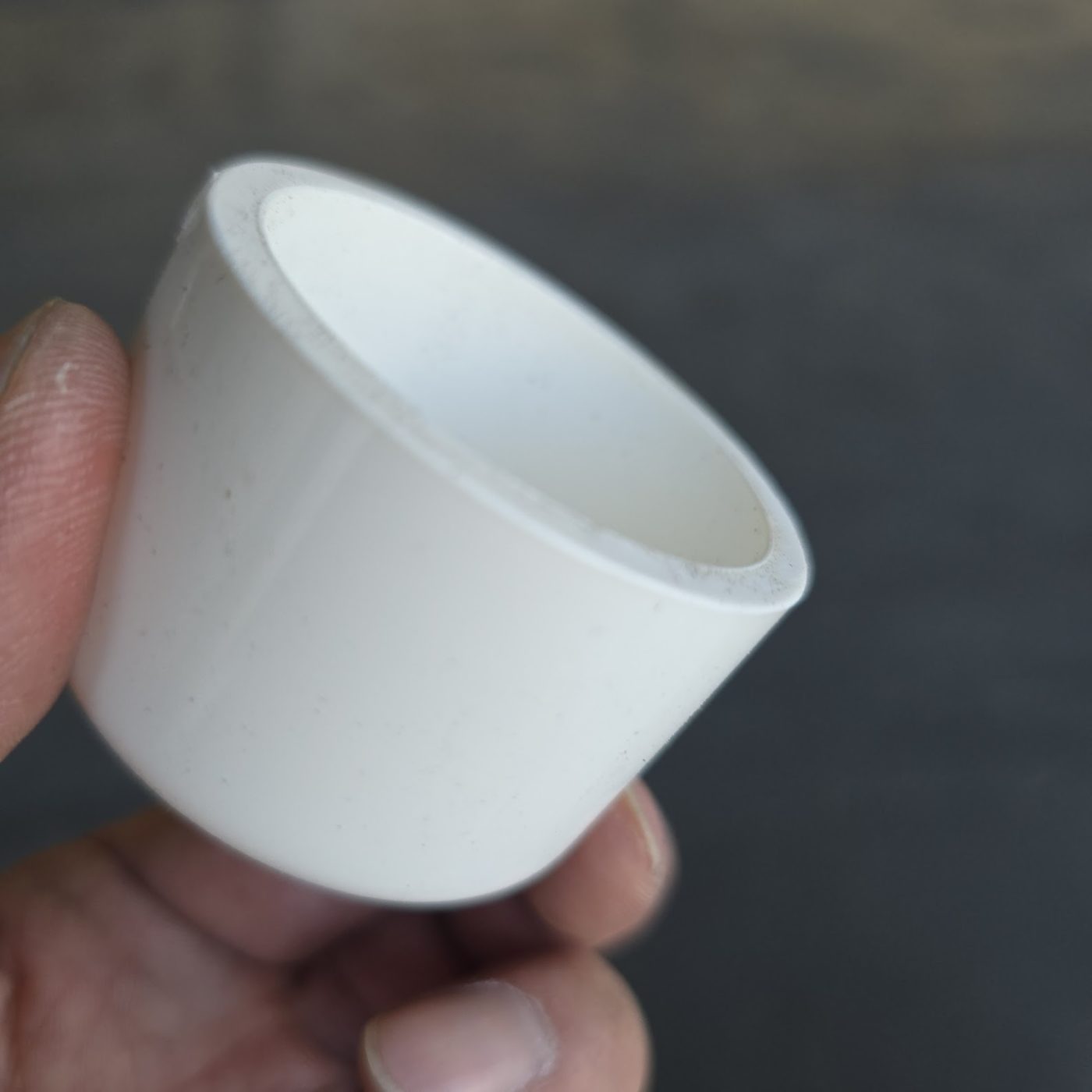
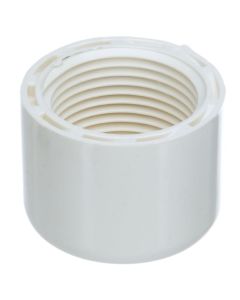
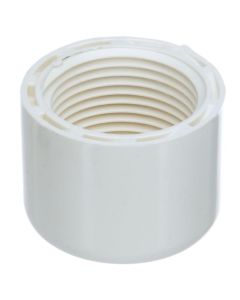
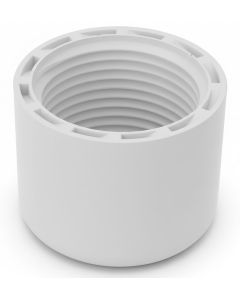
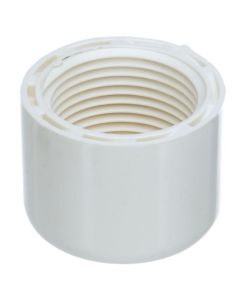
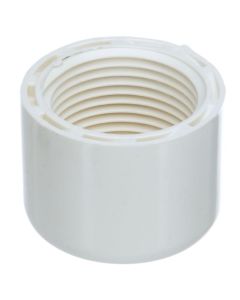
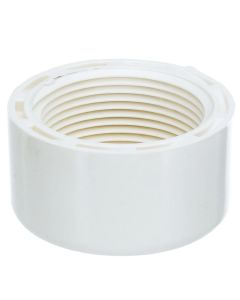
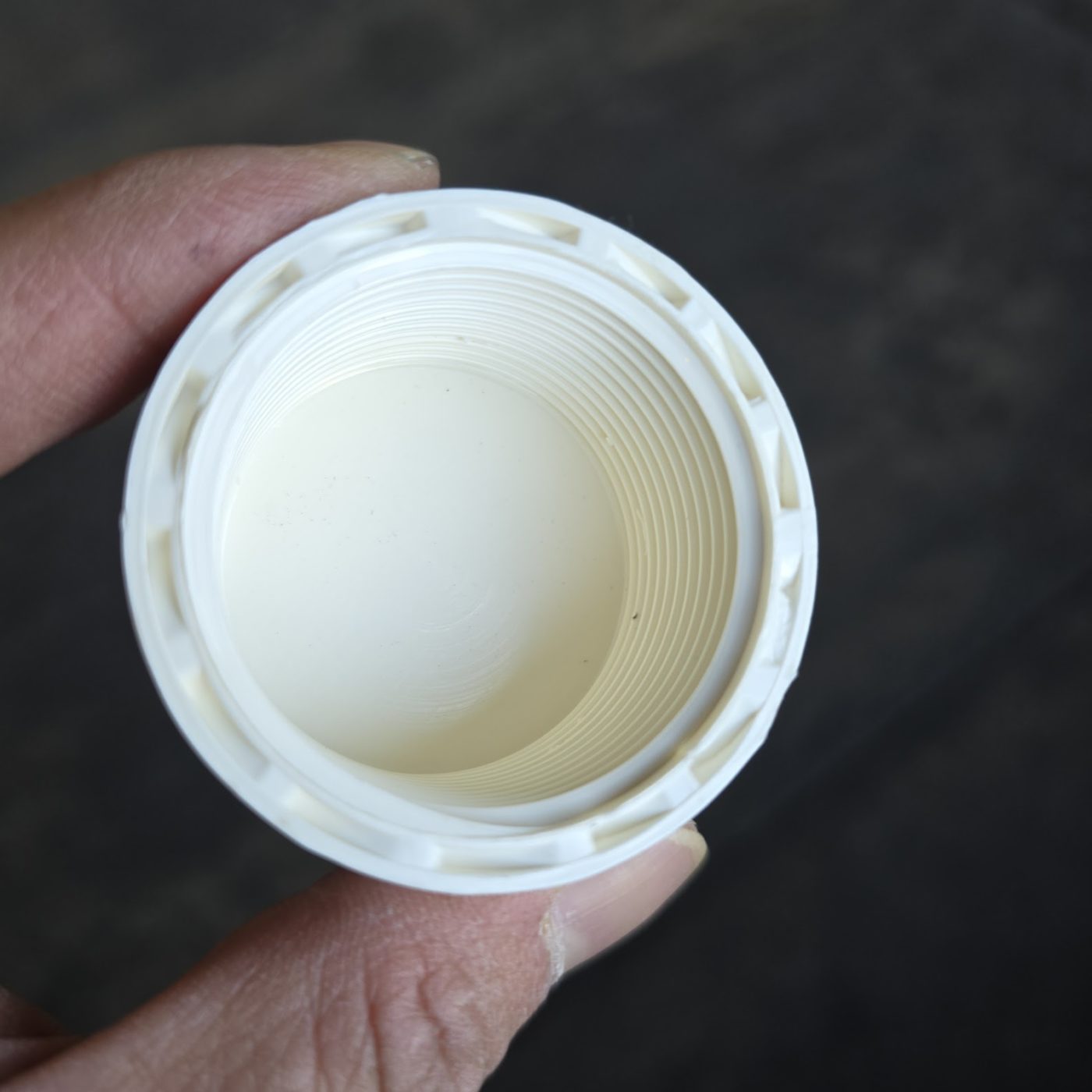
Female Threaded End Caps
- Contain internal threads that screw onto a male threaded pipe or fitting
- Installed by hand tightening with thread sealant (PTFE tape or pipe dope)
- Allow easier removal or reinstallation if needed
- Ideal for threaded PVC piping systems or temporary closures
Why Industry Standards Matter: ASTM & ANSI Compliance
To ensure safety, durability, and compatibility, PVC end caps should meet established standards:
- ASTM D1784 — Specifies PVC material quality and classification
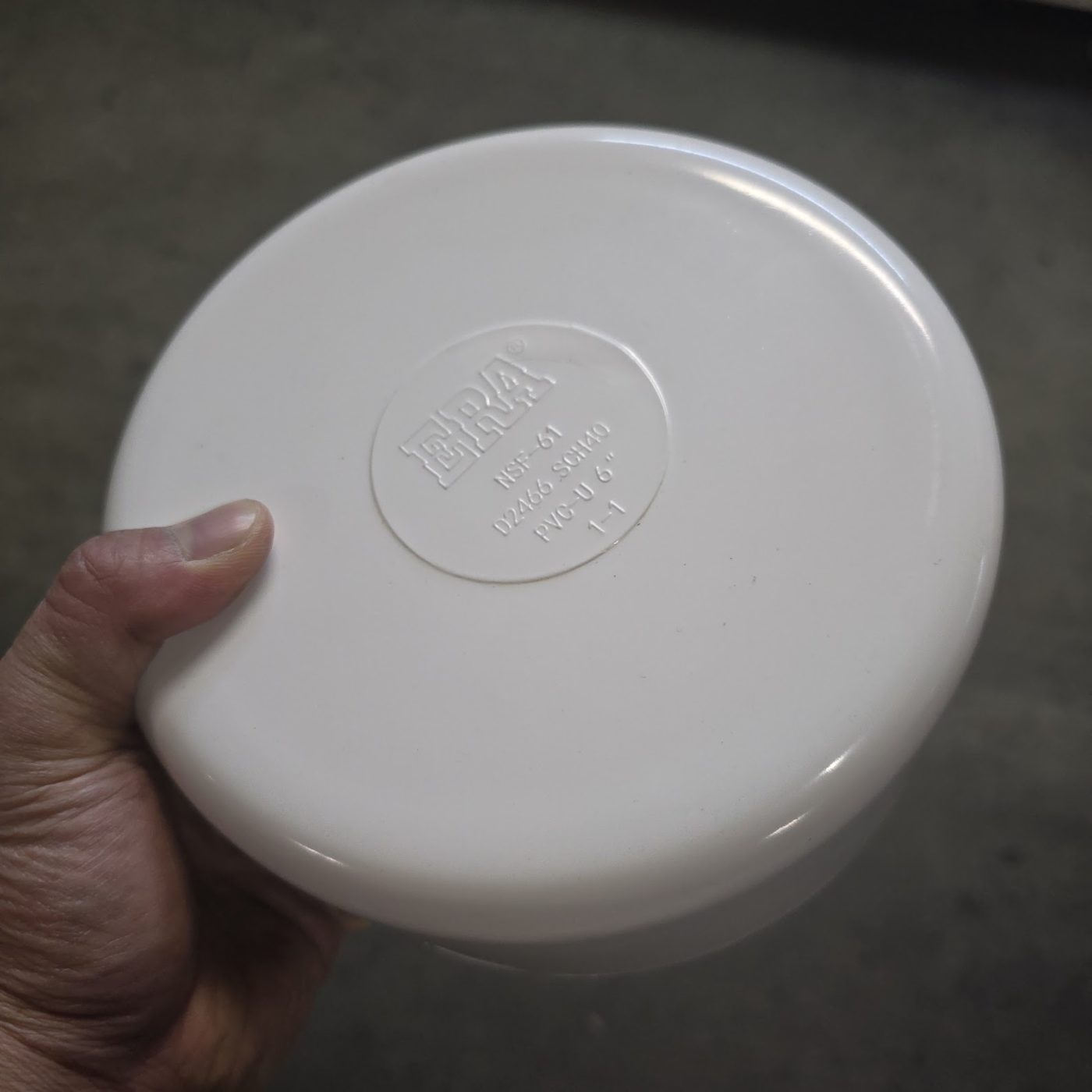
- ASTM D2466 — Standard for Schedule 40 PVC slip fittings including end caps
- ASTM D2467 — Standard for Schedule 80 PVC slip fittings for higher pressure
- ASTM D2464 — Standard for threaded PVC Schedule 40 fittings (including female threaded caps)
- ANSI/NSF 61 — Certifies products safe for potable water applications
- ASTM F439 — Standard for plastic pipe caps and plugs’ mechanical and chemical resistance
Using fittings conforming to these standards ensures your piping system will withstand pressure, environmental conditions, and meet safety codes.
Why Choose 247Garden PVC End Caps
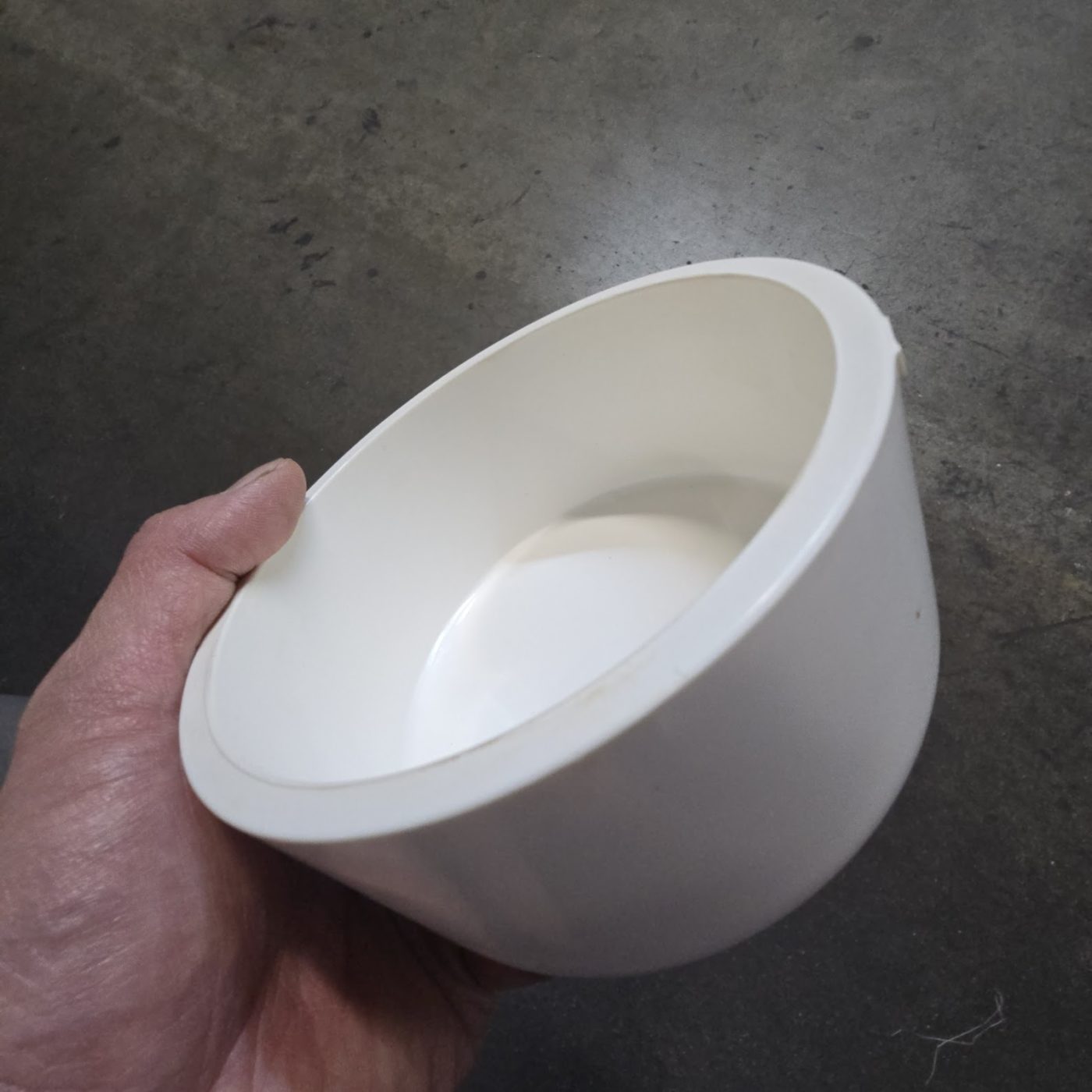
247Garden end caps are manufactured to meet or exceed all these standards. Their product line features:
- Sizes: From 1/2" up to 12", covering small residential pipes to large industrial lines
- Schedules: Available in both Schedule 40 and Schedule 80 for various pressure ratings
- Types: Slip end caps and female threaded end caps for flexible installation options
- Durability: Made from premium PVC resin resistant to UV, chemicals, and cracking
- Certifications: ASTM D1784, D2466, D2467, D2464 compliant, and ANSI/NSF 61 certified for potable water
This wide range and quality make 247Garden PVC end caps a trusted choice for professionals and DIYers alike.

Tools and Materials Needed
- 247Garden PVC End Cap (correct size, type, and schedule)
- PVC pipe or fitting (matching size and schedule)
- PVC primer and solvent cement (for slip caps) certified under ASTM F493
- PTFE (Teflon) tape or pipe thread sealant (for threaded caps)
- Pipe cutter or fine saw
- Clean rag or paper towel
- Wrench or strap wrench (optional, for threaded caps)
Step-by-Step Installation
Installing Slip (Socket) PVC End Caps
- Select the Correct Cap: Match size and schedule (40 or 80) with your pipe.
- Cut and Prepare the Pipe End: Cut the pipe squarely, deburr the edges, and clean with a rag.
- Dry Fit the End Cap: Slip the cap on to verify fit.
- Apply Primer: Apply PVC primer evenly to the outside of the pipe and inside of the cap socket. Let it dry briefly.
- Apply Solvent Cement: Brush an even layer of solvent cement on both primed surfaces.
- Join and Twist: Push the cap firmly onto the pipe and twist 1/4 turn to evenly spread cement. Hold for 30 seconds.
- Clean Excess Cement: Wipe off any overflow immediately.
- Cure: Let the joint cure for at least 15 minutes before handling and 2 hours before pressure testing.
Installing Female Threaded PVC End Caps
- Confirm Thread Compatibility: Ensure the pipe or fitting has male threads matching the cap size and schedule.
- Clean Threads: Remove dirt, grease, or old sealant from male threads.
- Apply Thread Sealant: Wrap PTFE tape clockwise 2-3 times around the threads or apply pipe thread compound suitable for PVC.
- Screw on the Cap: Hand-tighten the female threaded cap onto the male threads. Use a wrench or strap wrench if needed, but avoid overtightening to prevent cracking.
- Check for Leaks: Once installed, test the system for leaks under pressure and tighten or reseal if necessary.
Tips for Best Results
- Always use primer and cement or sealant compatible with your pipe schedule and PVC type.
- Work in a well-ventilated area and wear safety gloves.
- Avoid mixing slip and threaded components unless designed for that purpose.
- Use 247Garden end caps for guaranteed ASTM and ANSI standard compliance and durability.
- Store fittings away from direct sunlight before installation.
Conclusio
Properly installing PVC end caps—whether slip or female threaded—and selecting products meeting ASTM and ANSI standards is essential for safe, long-lasting pipe systems. 247Garden PVC End Caps offer a full range of sizes and types with industry certifications, making them the smart, reliable choice for your next project.