Here are some fun and creative DIY projects you can build using 247Garden's 1/2" furniture-grade PVC fittings: DIY Kids Play Fort – Create a durable, lightweight fort for children to play in, perfect for both indoor and outdoor settings. PVC Shoe Rack – Build a simple shoe organizer to keep your entryway tidy. Portable PVC Hammock Stand – Construct a...
A PVC spigot is a type of fitting used in plumbing and piping systems made from polyvinyl chloride (PVC). It is specifically designed to fit into another fitting rather than around it. Here are the key aspects of a PVC spigot: Definition and Use: Spigot End: A spigot is the plain end of a pipe or fitting that is designed...
A 5-way PVC fitting is a versatile connector commonly used in DIY projects, enabling you to connect five PVC pipes at 90-degree angles. Here are some ideas for what you can build using a 5-way PVC fitting: 1. PVC Garden Trellis Create a sturdy trellis for climbing plants like tomatoes, cucumbers, or beans by connecting multiple pipes with 5-way fittings...
Yes, black PVC fittings do tend to retain more heat than their white or light-colored counterparts due to their color. Here's why: 1. Color and Heat Absorption Black surfaces absorb more sunlight compared to lighter colors. When exposed to direct sunlight or other heat sources, black PVC fittings can become warmer than white PVC fittings. This is especially noticeable in...
What is a Transition PVC Fitting? A transition PVC fitting is a specialized type of fitting used to connect PVC pipes to pipes made from different materials, such as copper, steel, PEX, or CPVC. These fittings are designed to ensure a secure, leak-proof connection between different types of piping systems that might have different diameters, thread types, or material properties...
PVC (Polyvinyl Chloride) fittings are essential components in plumbing, irrigation, and many DIY projects. Whether you're a seasoned professional or a weekend warrior, understanding PVC fittings can be challenging. Here, we answer the top 10 most common questions about PVC fittings to help you navigate your next project with confidence. 1. What is the Difference Between Schedule 40 and Schedule...
The ASTM standard for brass fittings that is equivalent to ASTM F1498 (which is for thermoplastic pipe threads) is ASTM B1. This standard, however, is not just for brass fittings but generally governs the dimensions and tolerances for screw threads, including those used in brass and other metal pipe fittings. ASTM B1 Title: "Unified Inch Screw Threads (UN and UNR...
The difference between SCH80 F1498 and F1970 lies in the specific ASTM standards they refer to and the types of PVC fittings they govern. ASTM F1498 Title: "Standard Specification for Taper Pipe Threads 60° for Thermoplastic Pipe and Fittings" Scope: ASTM F1498 covers the requirements for taper pipe threads used in thermoplastic pipe and fittings, including Schedule 80 PVC fittings...
When it comes to choosing between metal and plastic PVC fittings for plumbing, each material has its own set of advantages and disadvantages. Here’s a breakdown of the pros and cons to help guide the decision-making process: Metal Fittings Pros: Durability: Metal fittings, such as brass or stainless steel, are highly durable and resistant to physical damage. They can withstand...
DWV PVC vs SCH40 PVC: Key Differences DWV (Drain, Waste, and Vent) PVC and SCH40 PVC are both types of PVC pipes and fittings, but they have distinct differences: 1. Thickness and Strength:* SCH40 PVC: Thicker walls, stronger, and more resistant to pressure (up to 150-200 PSI)* DWV PVC: Thinner walls, less strong, and only suitable for gravity-flow applications (no...

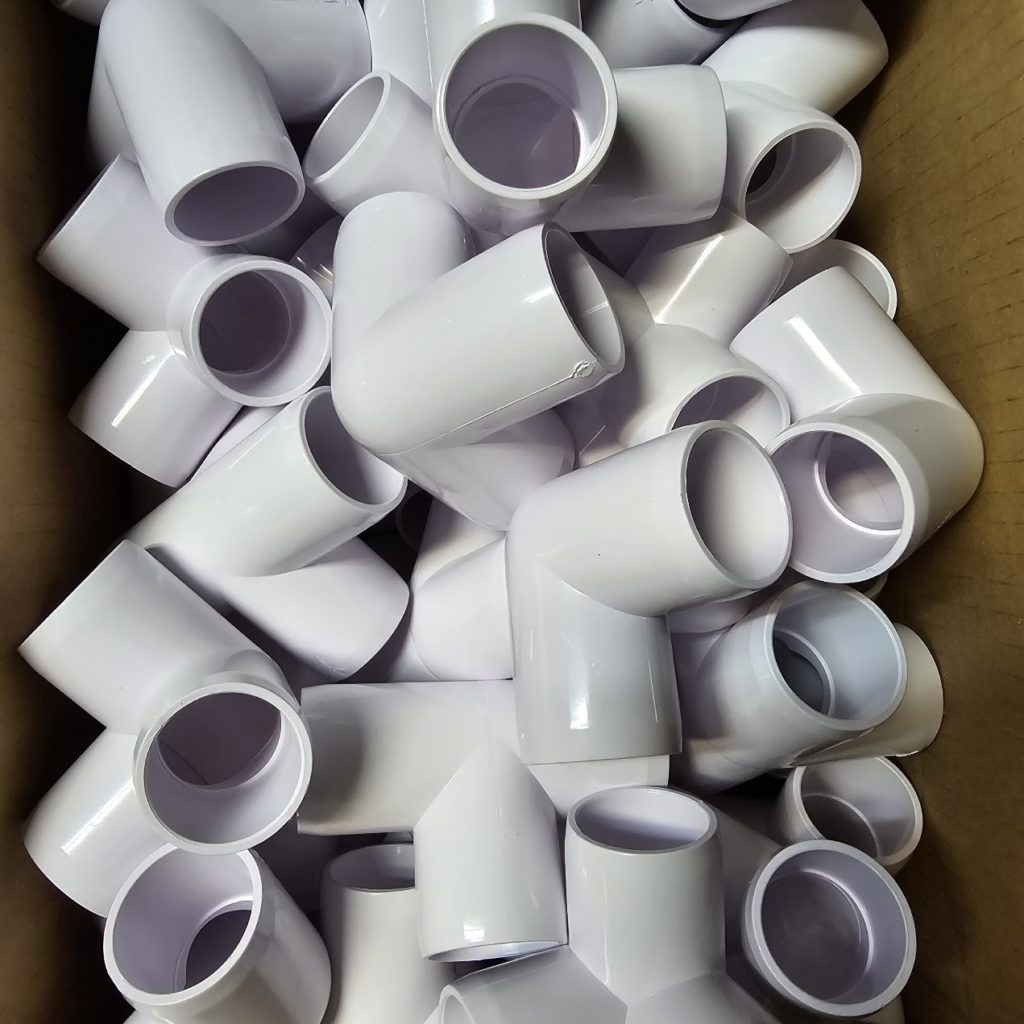 Here are some fun and creative DIY projects you can build using 247Garden's 1/2" furniture-grade PVC fittings: DIY Kids Play Fort – Create a durable, lightweight fort for children to play in, perfect for both indoor and outdoor settings. PVC Shoe Rack – Build a simple shoe organizer to keep your entryway tidy. Portable PVC Hammock Stand – Construct a...
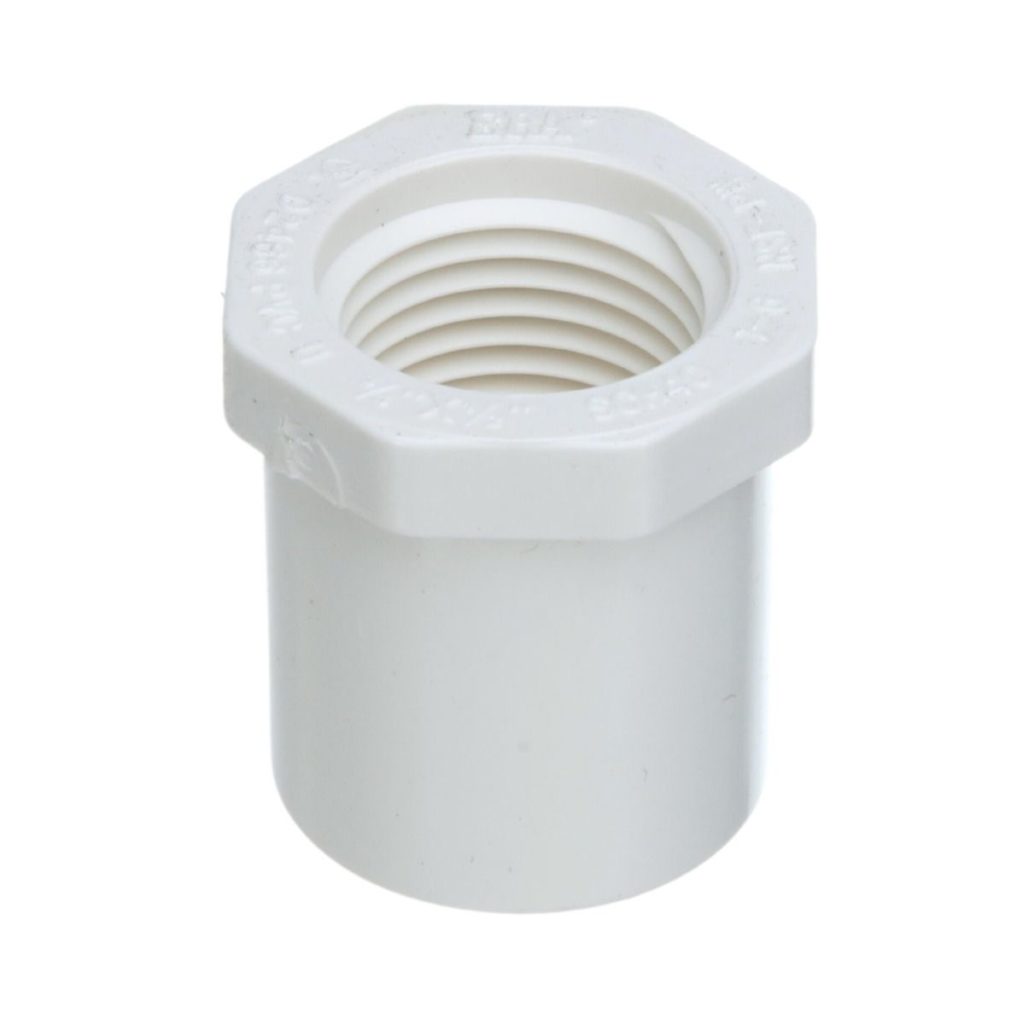 A PVC spigot is a type of fitting used in plumbing and piping systems made from polyvinyl chloride (PVC). It is specifically designed to fit into another fitting rather than around it. Here are the key aspects of a PVC spigot: Definition and Use: Spigot End: A spigot is the plain end of a pipe or fitting that is designed...
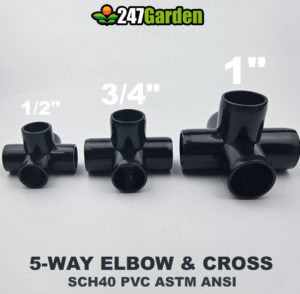 A 5-way PVC fitting is a versatile connector commonly used in DIY projects, enabling you to connect five PVC pipes at 90-degree angles. Here are some ideas for what you can build using a 5-way PVC fitting: 1. PVC Garden Trellis Create a sturdy trellis for climbing plants like tomatoes, cucumbers, or beans by connecting multiple pipes with 5-way fittings...
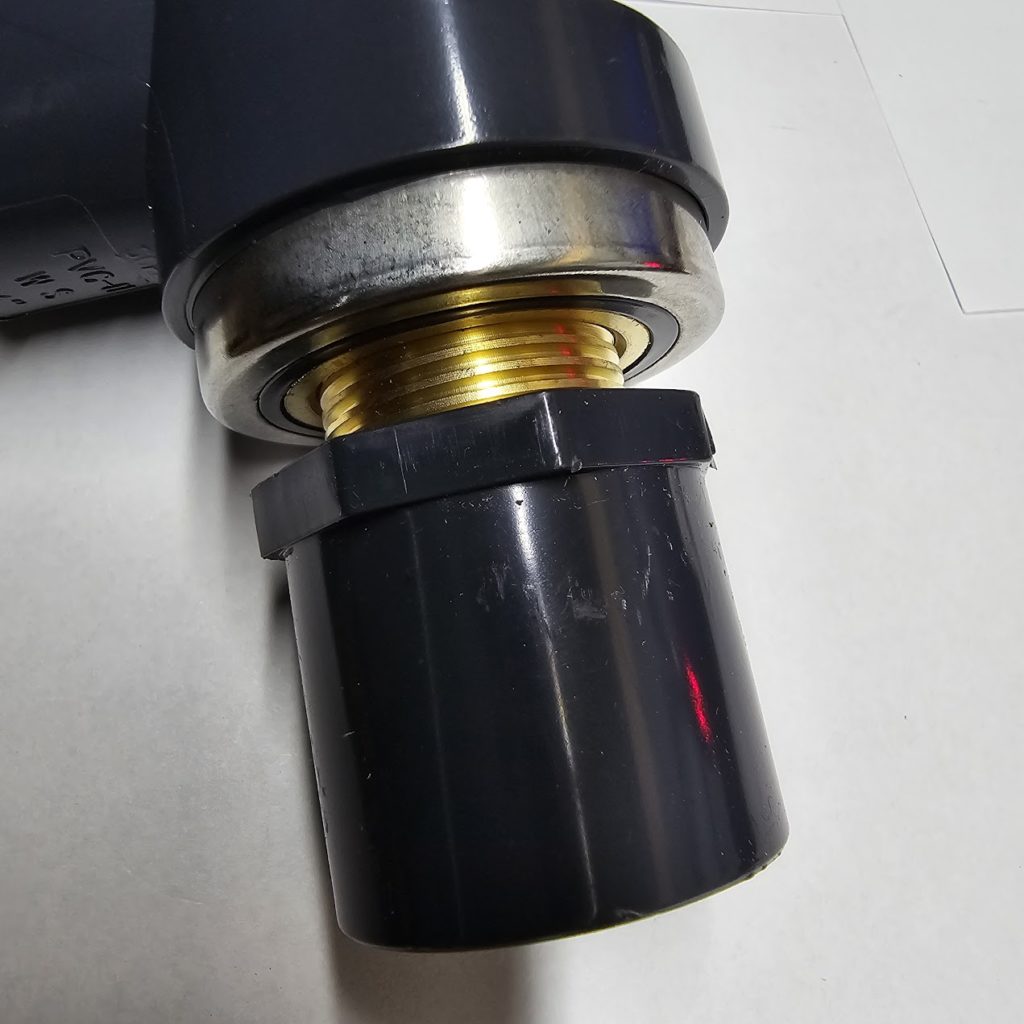 Yes, black PVC fittings do tend to retain more heat than their white or light-colored counterparts due to their color. Here's why: 1. Color and Heat Absorption Black surfaces absorb more sunlight compared to lighter colors. When exposed to direct sunlight or other heat sources, black PVC fittings can become warmer than white PVC fittings. This is especially noticeable in...
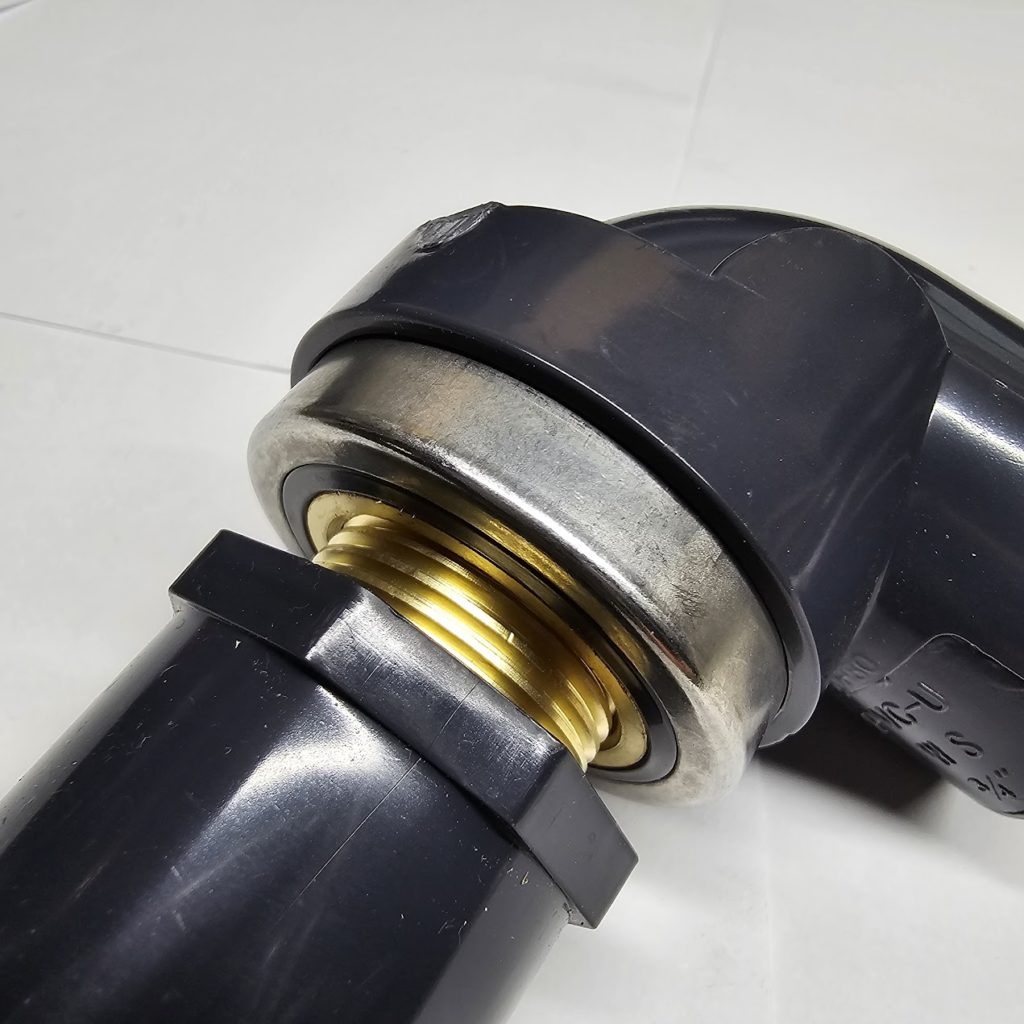 What is a Transition PVC Fitting? A transition PVC fitting is a specialized type of fitting used to connect PVC pipes to pipes made from different materials, such as copper, steel, PEX, or CPVC. These fittings are designed to ensure a secure, leak-proof connection between different types of piping systems that might have different diameters, thread types, or material properties...
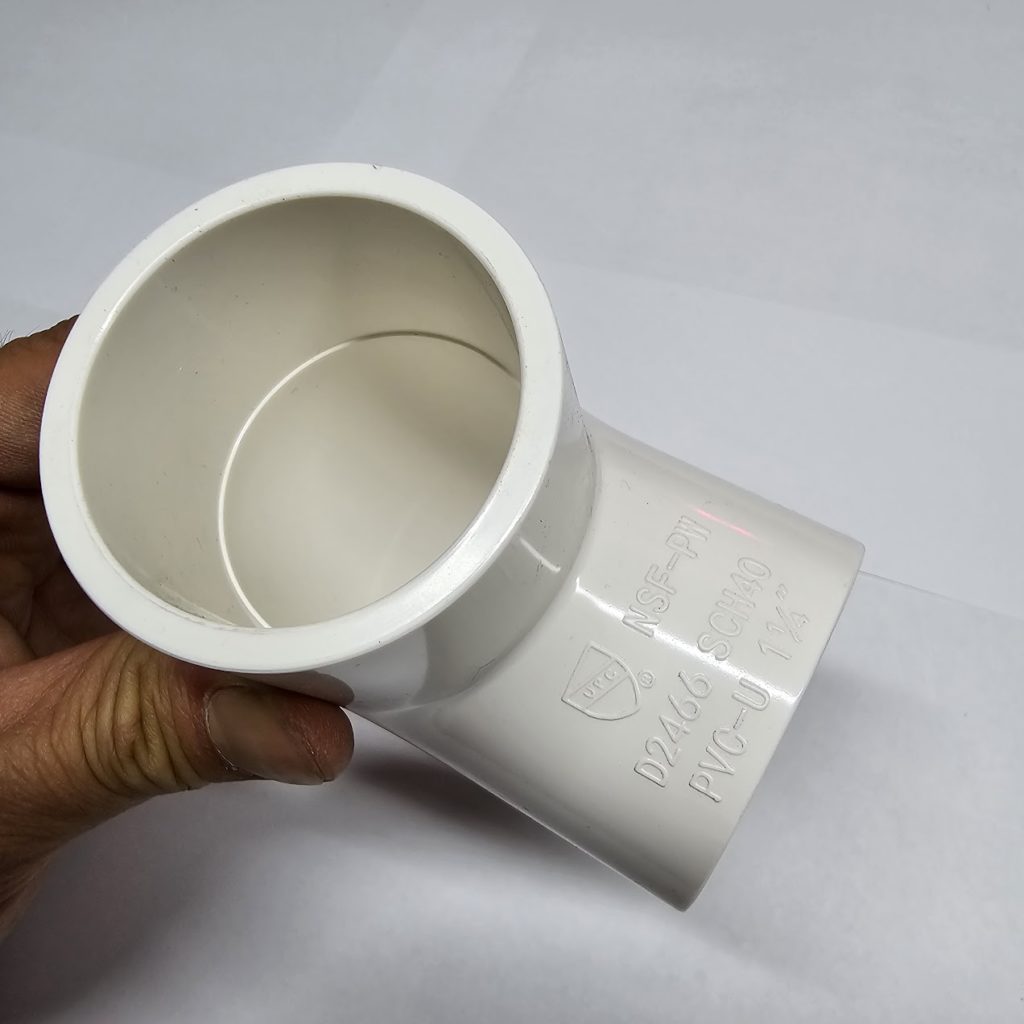 PVC (Polyvinyl Chloride) fittings are essential components in plumbing, irrigation, and many DIY projects. Whether you're a seasoned professional or a weekend warrior, understanding PVC fittings can be challenging. Here, we answer the top 10 most common questions about PVC fittings to help you navigate your next project with confidence. 1. What is the Difference Between Schedule 40 and Schedule...
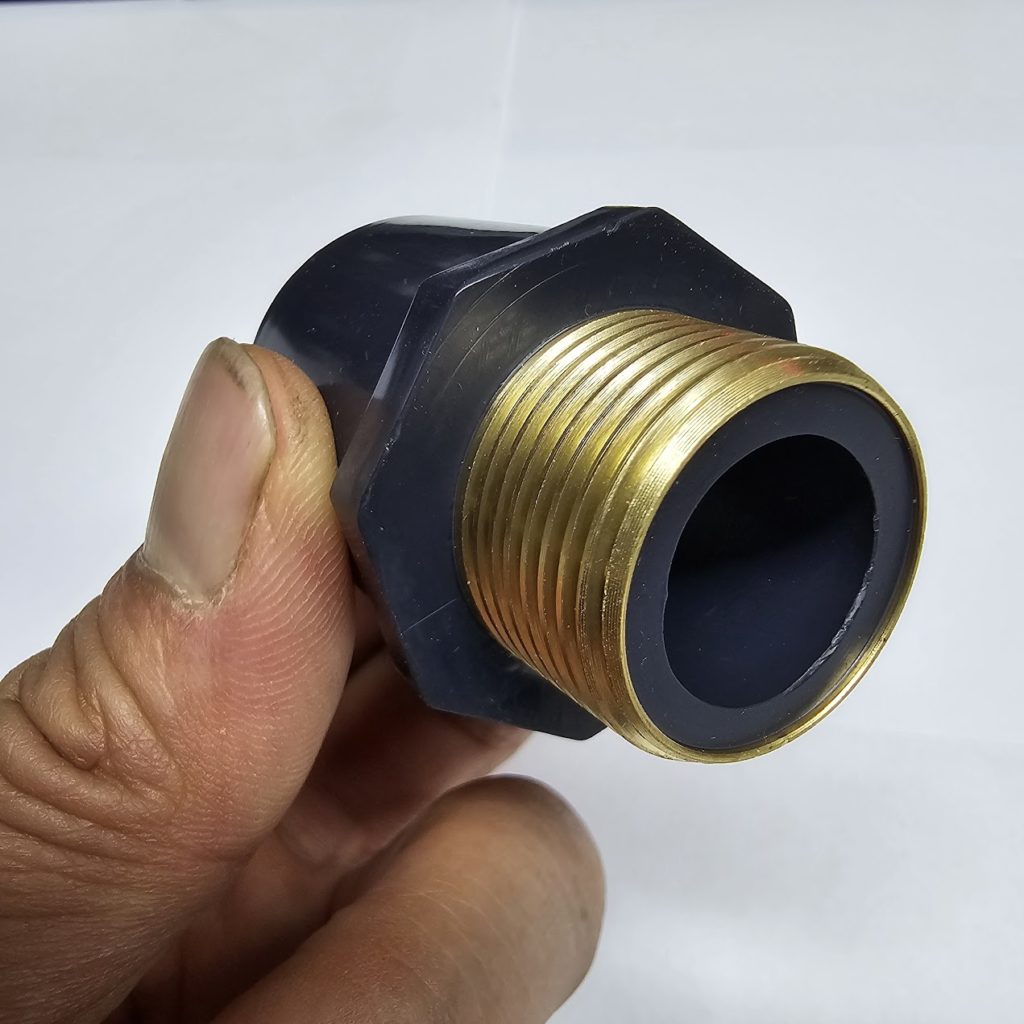 The ASTM standard for brass fittings that is equivalent to ASTM F1498 (which is for thermoplastic pipe threads) is ASTM B1. This standard, however, is not just for brass fittings but generally governs the dimensions and tolerances for screw threads, including those used in brass and other metal pipe fittings. ASTM B1 Title: "Unified Inch Screw Threads (UN and UNR...
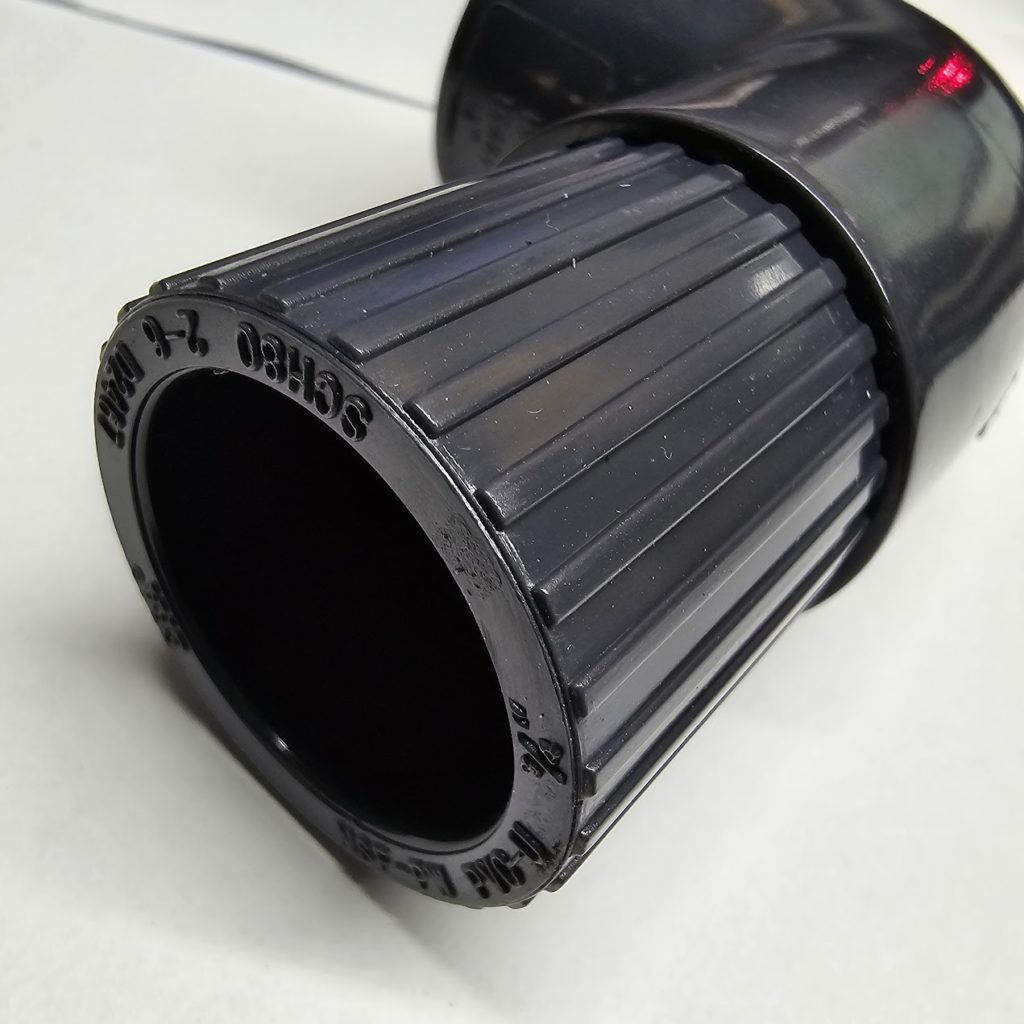 The difference between SCH80 F1498 and F1970 lies in the specific ASTM standards they refer to and the types of PVC fittings they govern. ASTM F1498 Title: "Standard Specification for Taper Pipe Threads 60° for Thermoplastic Pipe and Fittings" Scope: ASTM F1498 covers the requirements for taper pipe threads used in thermoplastic pipe and fittings, including Schedule 80 PVC fittings...
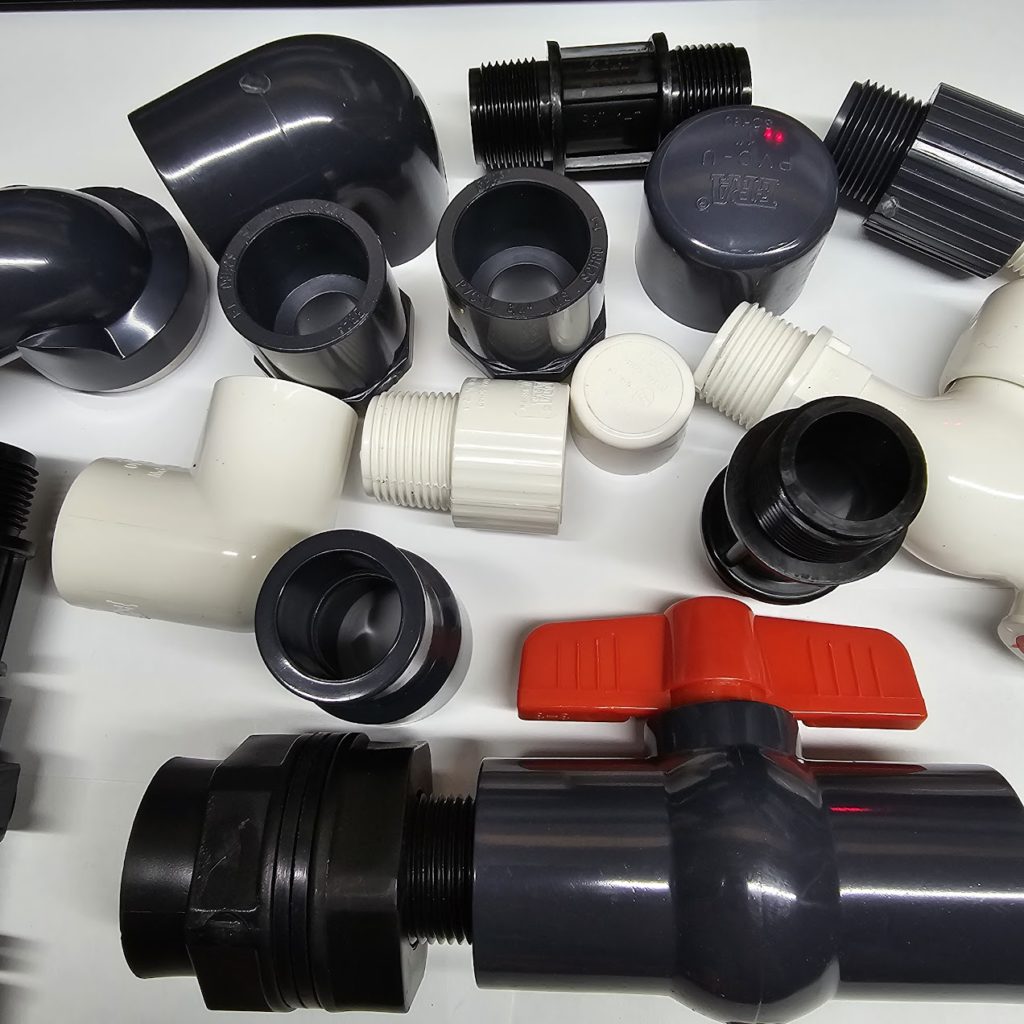 When it comes to choosing between metal and plastic PVC fittings for plumbing, each material has its own set of advantages and disadvantages. Here’s a breakdown of the pros and cons to help guide the decision-making process: Metal Fittings Pros: Durability: Metal fittings, such as brass or stainless steel, are highly durable and resistant to physical damage. They can withstand...
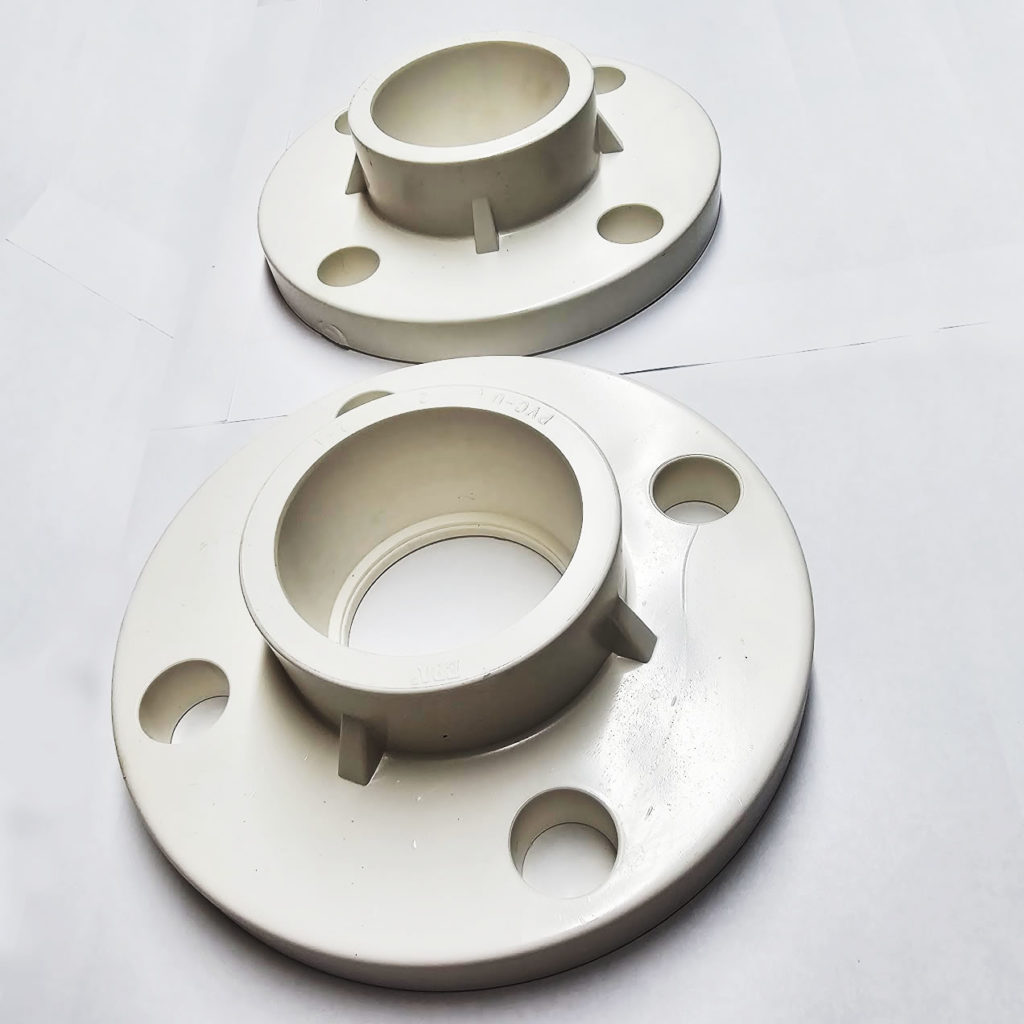 DWV PVC vs SCH40 PVC: Key Differences DWV (Drain, Waste, and Vent) PVC and SCH40 PVC are both types of PVC pipes and fittings, but they have distinct differences: 1. Thickness and Strength:* SCH40 PVC: Thicker walls, stronger, and more resistant to pressure (up to 150-200 PSI)* DWV PVC: Thinner walls, less strong, and only suitable for gravity-flow applications (no...