Are PVC Cement and Primer Safe for Potable Water?
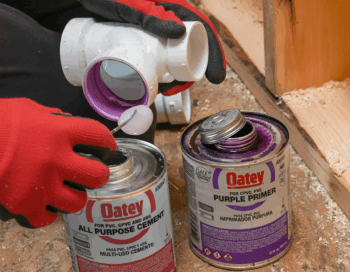
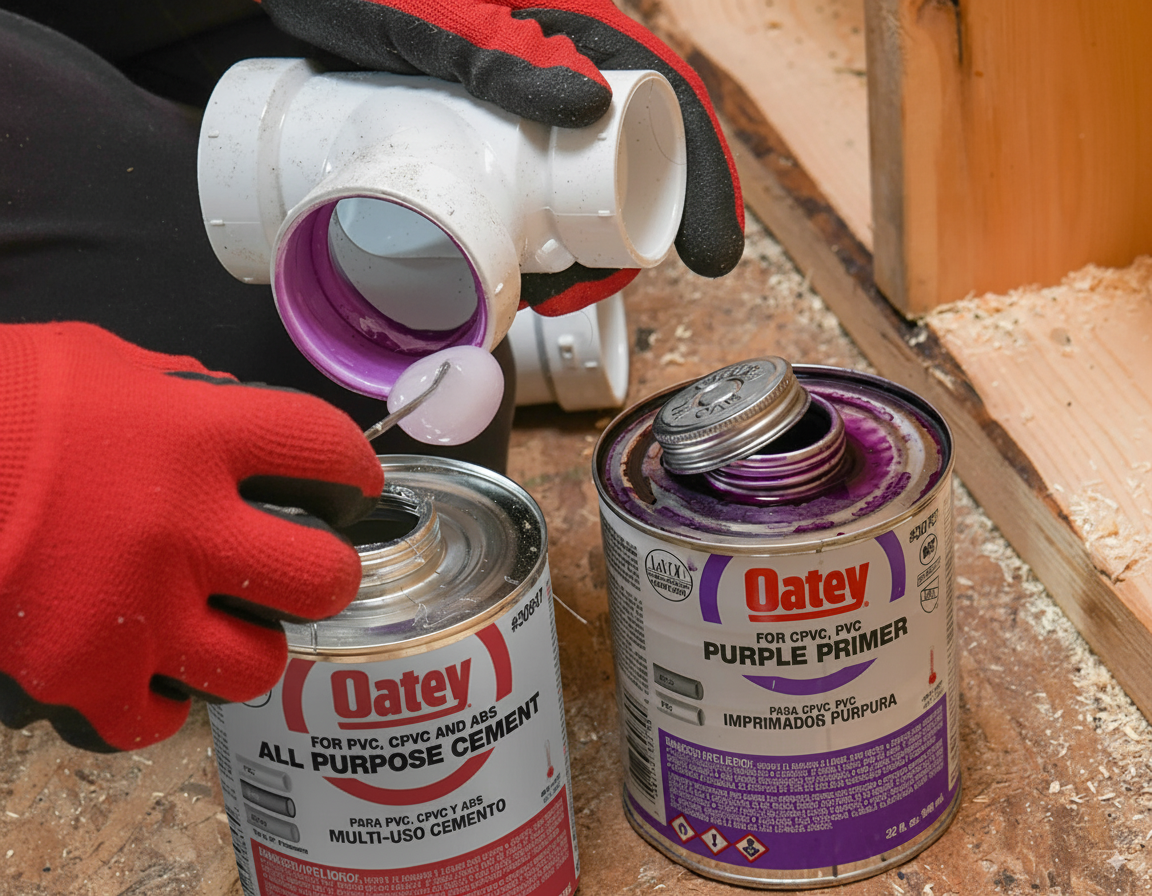
Yes, PVC cement and primer can be safe for potable (drinking) water, but only if you use products that are specifically labeled and certified for potable water applications.
Here are the key points you should know:
- NSF Certification
Look for NSF/ANSI 61 certification on the cement and primer. This standard confirms that the product is safe for drinking water contact and does not leach harmful chemicals above allowable limits. - Purple Primer vs. Clear Primer
- Purple primer is often required by code because inspectors can easily see it was used. Some purple primers may stain but are still safe if they carry the NSF certification.
- Clear primer is also available and is acceptable for potable water if NSF-rated.
- Cure Time
Even if the cement and primer are certified, the system must be given adequate curing time before being pressurized and used for potable water. Cure time depends on pipe size, temperature, and humidity. - Types to Avoid
Industrial-grade primers and cements not carrying NSF 61 or “for potable water” labeling should not be used in drinking water systems.
In short, yes—they are safe for potable water if the label clearly states "NSF/ANSI 61 certified" or "approved for potable water use."
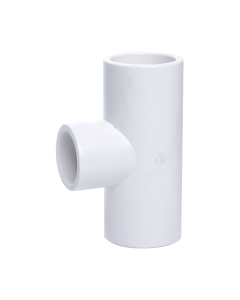
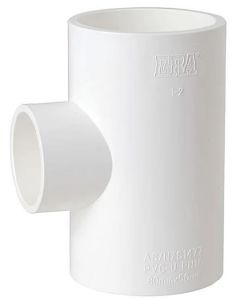
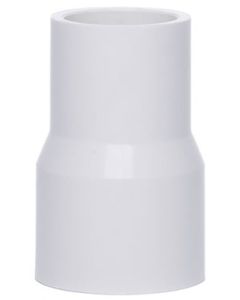
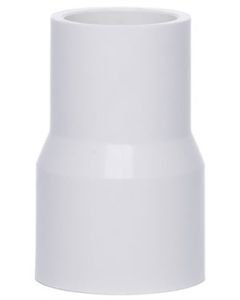
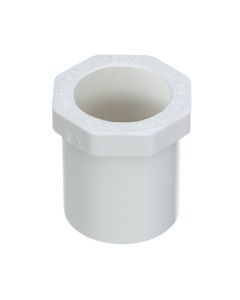
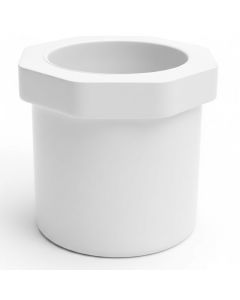
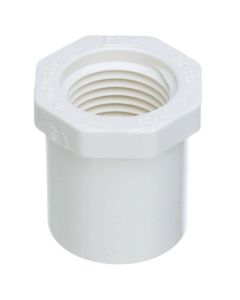
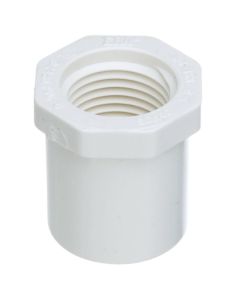
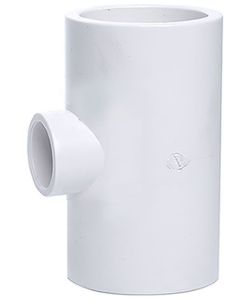
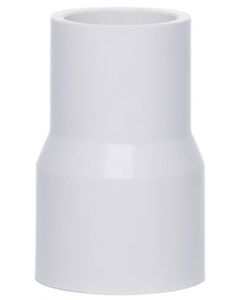
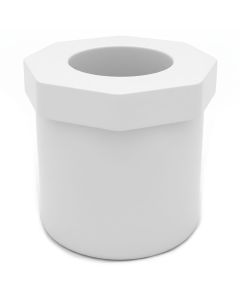
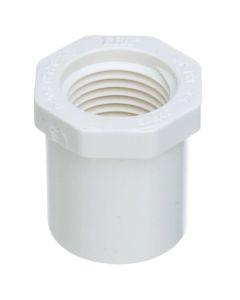
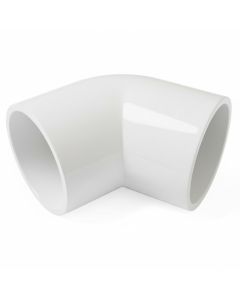
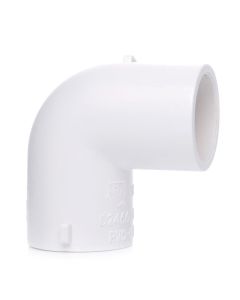
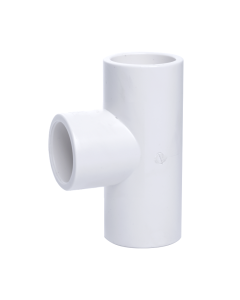
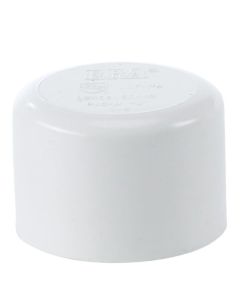
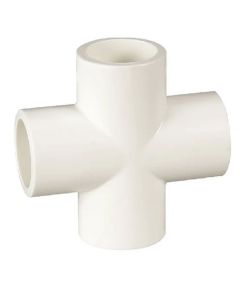
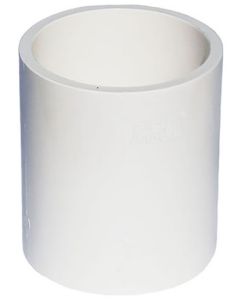
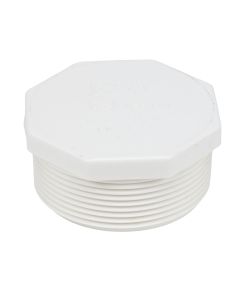
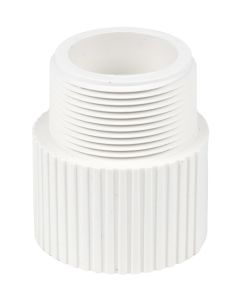
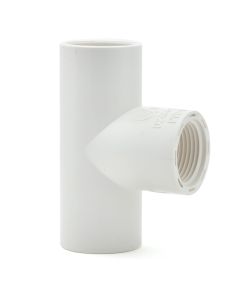
When working on any potable water system, it is essential to use not only NSF-certified cement and primer but also NSF-certified PVC fittings. At 247Garden, our NSF PVC Schedule 40 Fittings are manufactured to meet or exceed ASTM D2466 standards and are certified for potable water applications. Whether you are building a residential plumbing line, irrigation system, or a potable water distribution system, 247Garden’s NSF PVC fittings provide reliable performance, leak-free connections, and long-lasting durability.