When Was Schedule 40 PVC Invented? The origins of PVC (polyvinyl chloride) trace back to the late 19th century, with the earliest known discovery by German chemist Eugen Baumann in 1872. However, PVC wasn’t commercially viable until 1926, when American chemist Waldo Semon, working for the B.F. Goodrich Company in Ohio, developed a process to make PVC flexible and usable...
Why Was Schedule 80 PVC Invented? The need for Schedule 80 PVC (Polyvinyl Chloride) arose from growing industrial demands for a non-metallic piping solution that could handle higher pressure and temperature than standard Schedule 40 PVC. While Schedule 40 pipes work well for low-pressure residential plumbing and irrigation, industries like chemical processing, manufacturing, and commercial water treatment needed something stronger...
https://www.youtube.com/watch?v=3g7W8sgWzhU Credit to ChannelCreative on Youtube Building your own vacuum cleaner can be surprisingly effective when using high-pressure PVC fittings and a powerful DC motor like the 775. Below is a step-by-step guide using 247Garden's SCH80 PVC fittings, commonly used for high-pressure systems but perfect for this compact vacuum project. Parts & Materials Needed From 247Garden: 1x SCH80 2" Coupling...
If you're looking for a natural, chemical-free way to keep mosquitoes away, growing specific plants in 247Garden Fabric Pots is an effective and beautiful solution. Our breathable, durable fabric pots create the perfect environment for healthy roots and thriving plants. Here’s a guide to some of the best mosquito-repelling plants — and how to grow them successfully in fabric pots...
Whether you're building a garden irrigation system, a hydroponic setup, or doing general plumbing work, having control over water flow is essential. The 247Garden Modular PVC FIP Compact Ball Valve Kit is designed to give you just that—reliable flow control with flexible installation options. This all-in-one kit includes: One compact PVC ball valve with female threaded (FIP) ends Two male...
1. Spring Check Valve Mechanism: Uses a spring-loaded disc or piston that opens when fluid flows in the correct direction and closes automatically when the flow stops or reverses. Key Features: Quick response due to the spring. Can usually be installed in horizontal or vertical positions (check manufacturer specs). Often used in low-flow or low-pressure systems where immediate backflow prevention...
The chrome-plated ball in a PVC ball valve offers several key benefits: 1. Enhanced Corrosion Resistance The chrome plating acts as a protective barrier against corrosive elements. This is especially important in environments where the valve may come into contact with chemicals, saltwater, or other aggressive substances. It helps prolong the life of the valve and maintains performance. 2. Smoother...
A PVC valve is a type of valve made from polyvinyl chloride (PVC) material, used to control the flow of fluids, such as water, chemicals, and gases, in various applications. PVC valves are widely used in many industries due to their unique properties and benefits. Key Features: PVC Material: PVC valves are made from a durable, corrosion-resistant, and lightweight material...
A double union PVC valve is a type of valve that combines the functionality of a ball valve with the convenience of union connections, specifically designed for use with PVC (polyvinyl chloride) piping systems. Key Features: PVC Material: The valve body and other components are made from PVC, a corrosion-resistant and durable material suitable for various applications, including water supply...

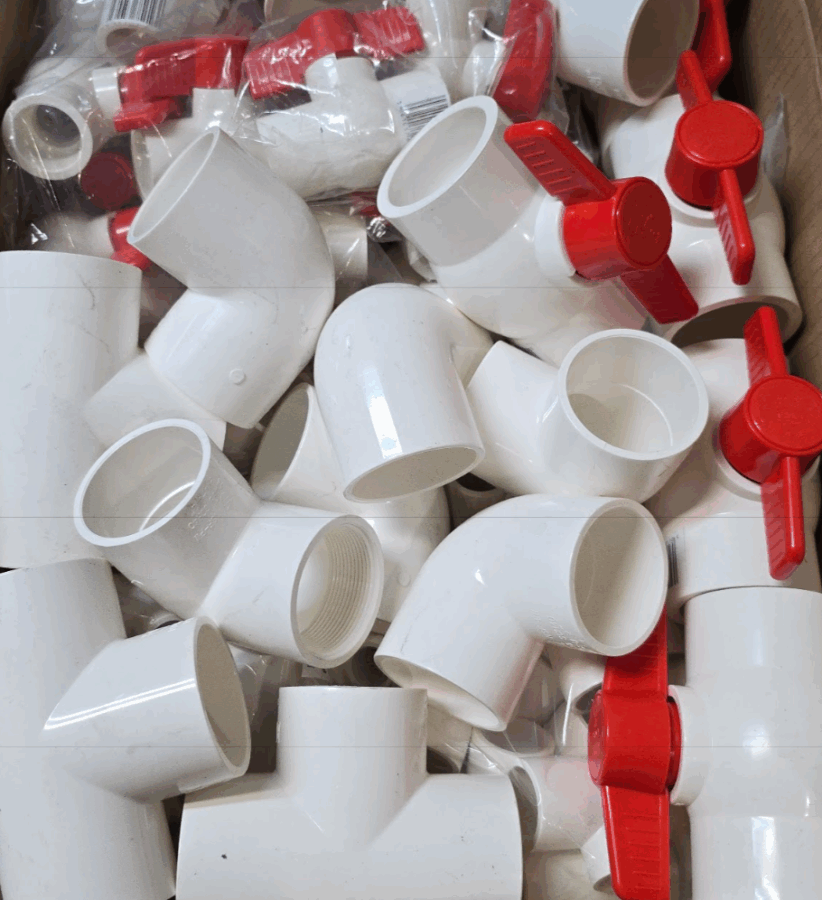 When Was Schedule 40 PVC Invented? The origins of PVC (polyvinyl chloride) trace back to the late 19th century, with the earliest known discovery by German chemist Eugen Baumann in 1872. However, PVC wasn’t commercially viable until 1926, when American chemist Waldo Semon, working for the B.F. Goodrich Company in Ohio, developed a process to make PVC flexible and usable...
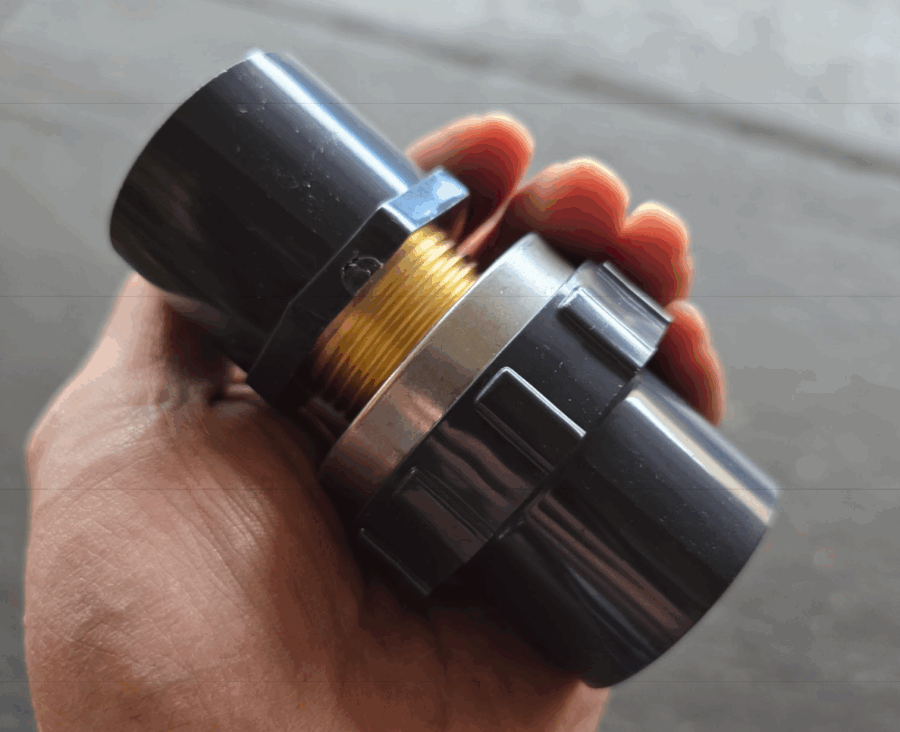 Why Was Schedule 80 PVC Invented? The need for Schedule 80 PVC (Polyvinyl Chloride) arose from growing industrial demands for a non-metallic piping solution that could handle higher pressure and temperature than standard Schedule 40 PVC. While Schedule 40 pipes work well for low-pressure residential plumbing and irrigation, industries like chemical processing, manufacturing, and commercial water treatment needed something stronger...
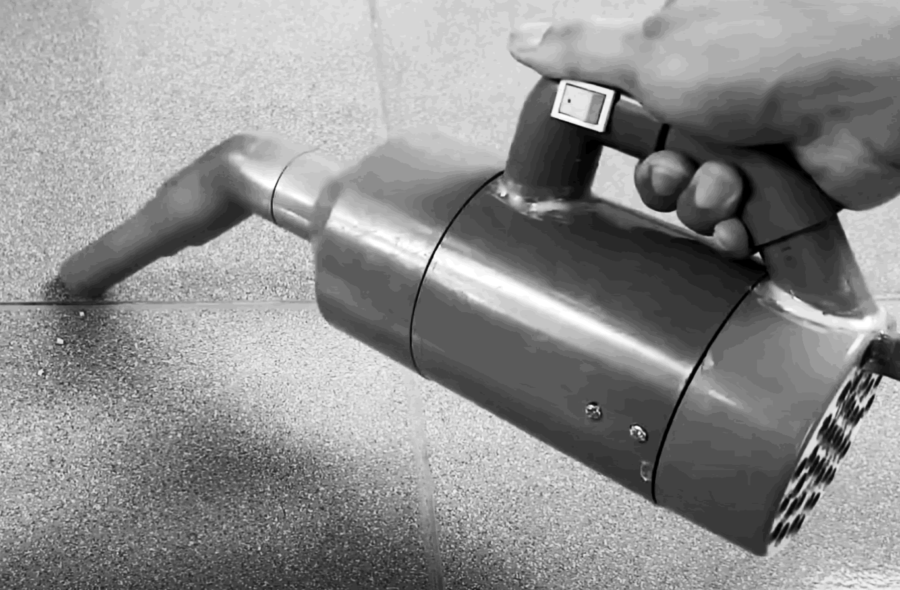 https://www.youtube.com/watch?v=3g7W8sgWzhU Credit to ChannelCreative on Youtube Building your own vacuum cleaner can be surprisingly effective when using high-pressure PVC fittings and a powerful DC motor like the 775. Below is a step-by-step guide using 247Garden's SCH80 PVC fittings, commonly used for high-pressure systems but perfect for this compact vacuum project. Parts & Materials Needed From 247Garden: 1x SCH80 2" Coupling...
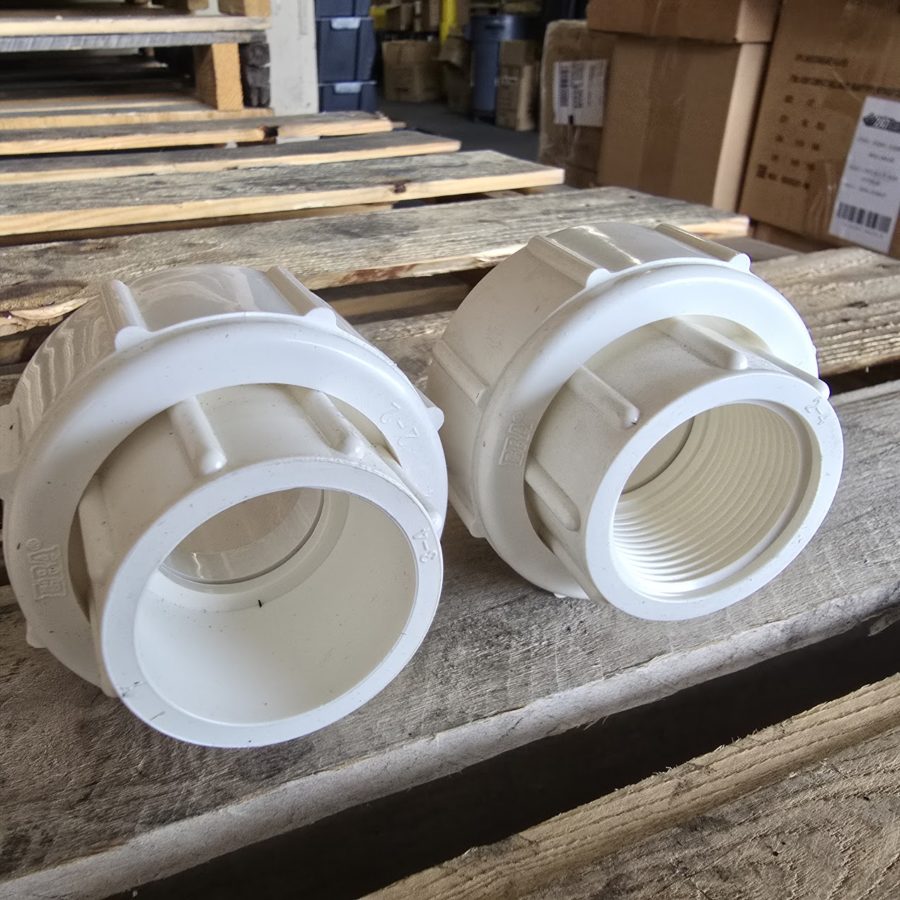 https://www.youtube.com/watch?v=pC8G3uv2-xM
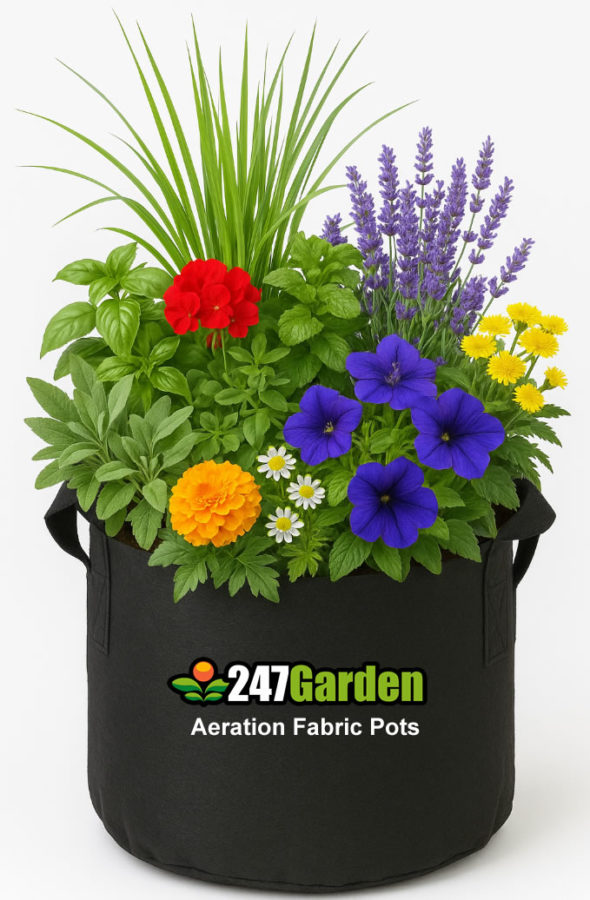 If you're looking for a natural, chemical-free way to keep mosquitoes away, growing specific plants in 247Garden Fabric Pots is an effective and beautiful solution. Our breathable, durable fabric pots create the perfect environment for healthy roots and thriving plants. Here’s a guide to some of the best mosquito-repelling plants — and how to grow them successfully in fabric pots...
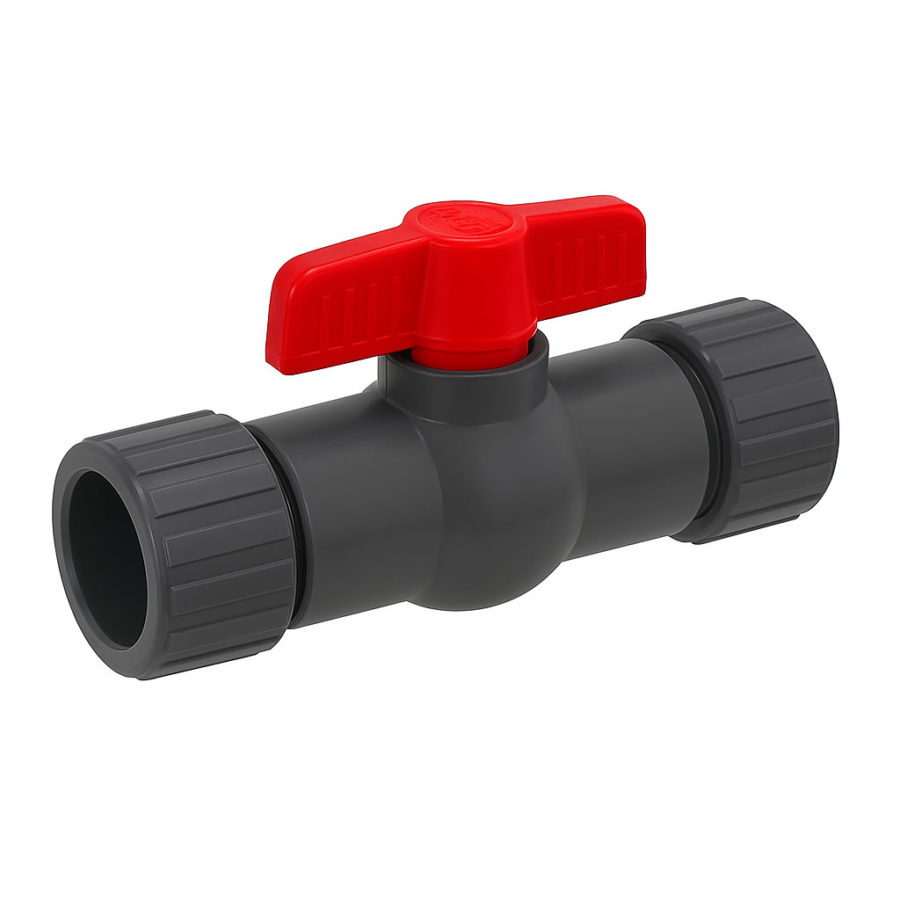 Whether you're building a garden irrigation system, a hydroponic setup, or doing general plumbing work, having control over water flow is essential. The 247Garden Modular PVC FIP Compact Ball Valve Kit is designed to give you just that—reliable flow control with flexible installation options. This all-in-one kit includes: One compact PVC ball valve with female threaded (FIP) ends Two male...
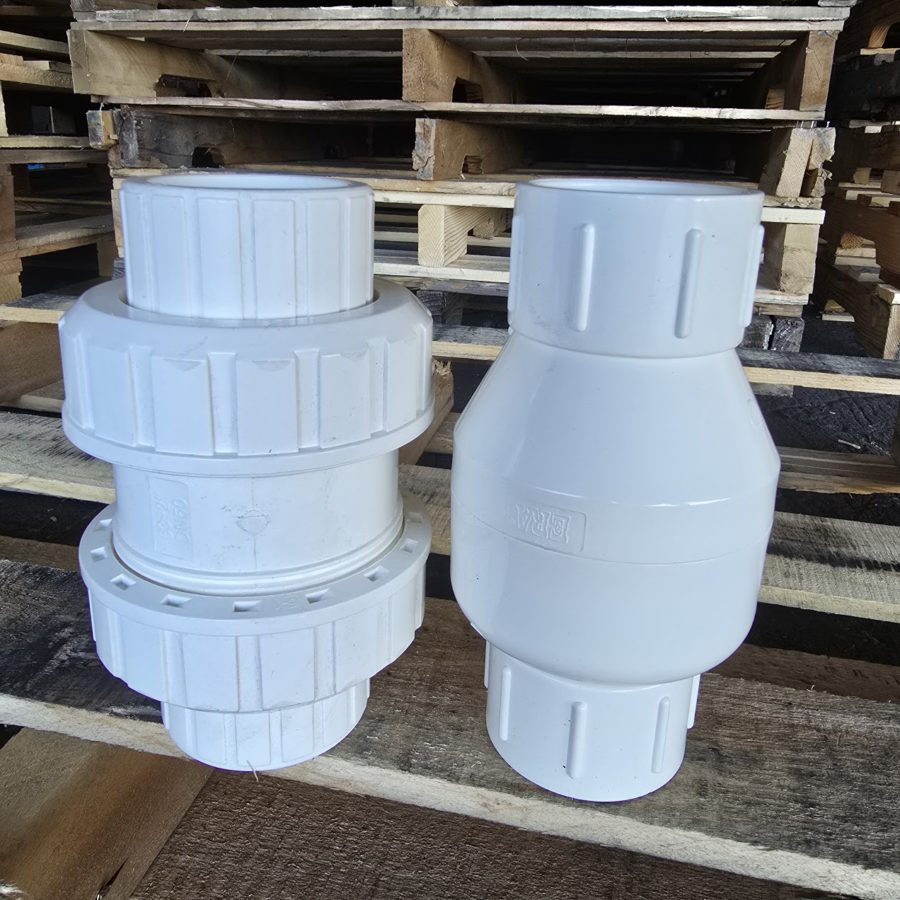 1. Spring Check Valve Mechanism: Uses a spring-loaded disc or piston that opens when fluid flows in the correct direction and closes automatically when the flow stops or reverses. Key Features: Quick response due to the spring. Can usually be installed in horizontal or vertical positions (check manufacturer specs). Often used in low-flow or low-pressure systems where immediate backflow prevention...
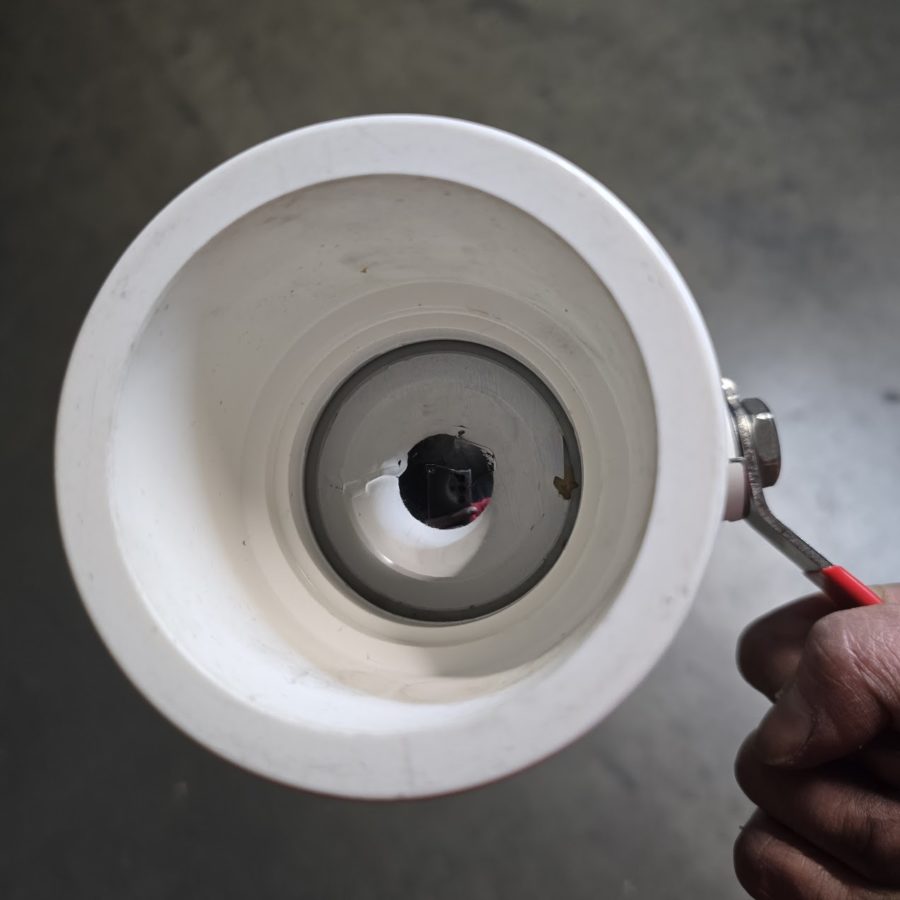 The chrome-plated ball in a PVC ball valve offers several key benefits: 1. Enhanced Corrosion Resistance The chrome plating acts as a protective barrier against corrosive elements. This is especially important in environments where the valve may come into contact with chemicals, saltwater, or other aggressive substances. It helps prolong the life of the valve and maintains performance. 2. Smoother...
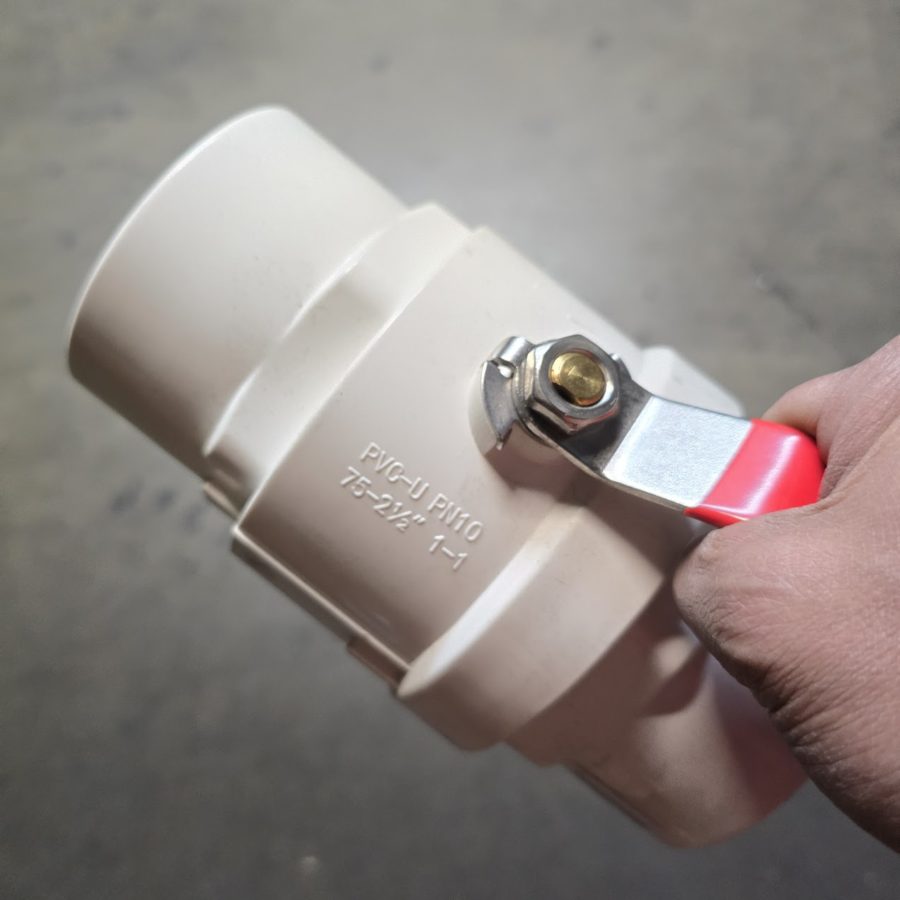 A PVC valve is a type of valve made from polyvinyl chloride (PVC) material, used to control the flow of fluids, such as water, chemicals, and gases, in various applications. PVC valves are widely used in many industries due to their unique properties and benefits. Key Features: PVC Material: PVC valves are made from a durable, corrosion-resistant, and lightweight material...