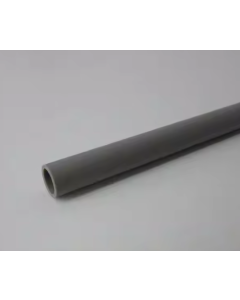
Frequently Asked Questiosn about Schedule-80 PVC Pipes
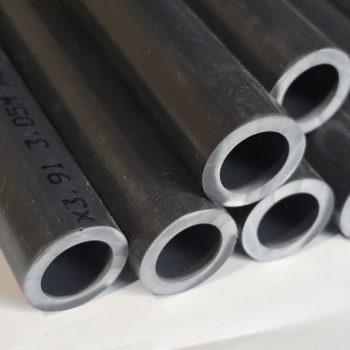
Here are some common questions customers ask about Schedule 80 PVC pipe, especially in industrial, irrigation, plumbing, and water treatment applications. These are also great FAQ topics for product pages or blogs.
- What is Schedule 80 PVC pipe used for?
Schedule 80 PVC pipe is used in applications that require higher pressure ratings and thicker walls than Schedule 40. Common uses include industrial fluid handling, chemical processing, reverse osmosis systems, commercial irrigation, and compressed air (non-hazardous). - What is the difference between Schedule 40 and Schedule 80 PVC pipe?
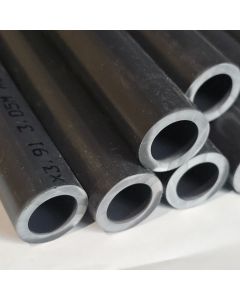
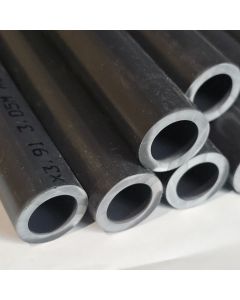
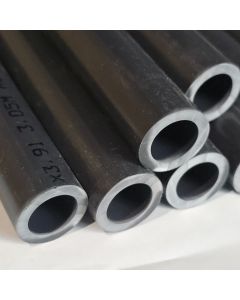
The main difference is wall thickness and pressure rating. Schedule 80 has thicker walls and can handle higher pressure, while Schedule 40 is lighter, less expensive, and more commonly used for residential plumbing and irrigation. - Does Schedule 80 PVC have a higher pressure rating?
Yes. Schedule 80 PVC pipe generally has a higher pressure rating than Schedule 40 of the same size, especially at smaller diameters. Exact pressure ratings depend on pipe size and operating temperature. - Can Schedule 80 PVC be used for potable (drinking) water?
Yes, as long as the pipe is NSF-61 certified, it is safe for potable water applications. Always check product certifications before use. - Is Schedule 80 PVC pipe compatible with Schedule 40 fittings?
Yes. Schedule 80 and Schedule 40 PVC pipes have the same outside diameter (OD), so they can be connected using standard PVC fittings. However, pressure ratings should match the weakest component in the system. - Is Schedule 80 PVC suitable for outdoor use?
Yes. Schedule 80 PVC is suitable for outdoor use, but UV exposure can weaken PVC over time. Painting the pipe or using UV-resistant coatings is recommended for long-term outdoor installations. - Can Schedule 80 PVC pipe be used for compressed air?
While Schedule 80 PVC is stronger than Schedule 40, PVC is generally not recommended for compressed air in industrial settings due to safety concerns. Local codes and OSHA guidelines should always be followed. - What temperature can Schedule 80 PVC handle?
Schedule 80 PVC is typically rated for up to 140°F (60°C). Pressure ratings decrease as temperature increases, so derating is required for hot applications. - Why is Schedule 80 PVC pipe gray?
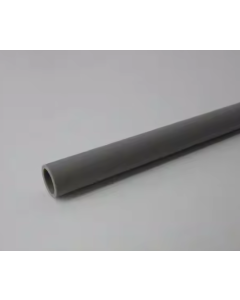
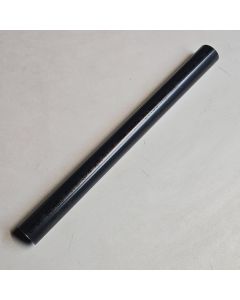
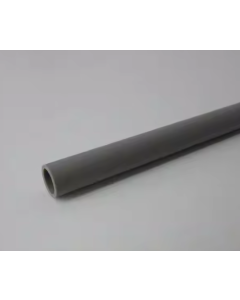
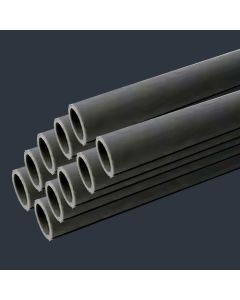
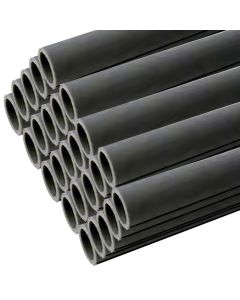
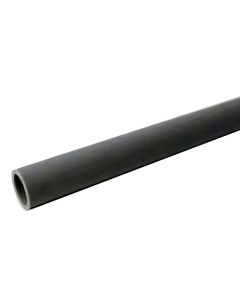
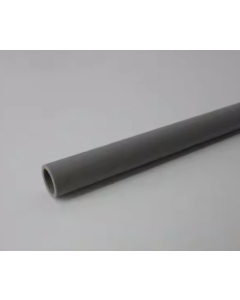
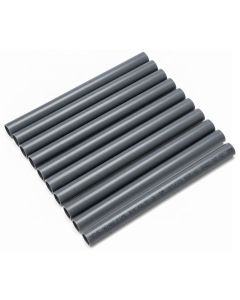
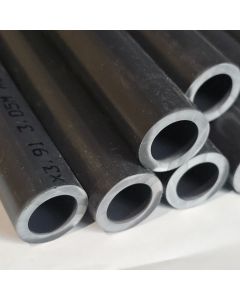
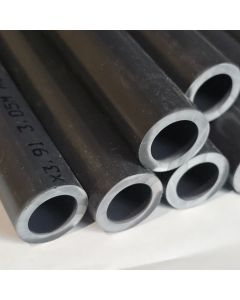
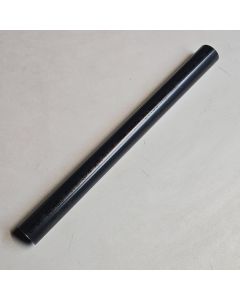
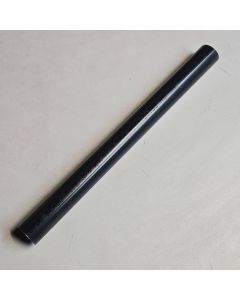
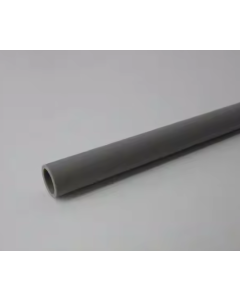
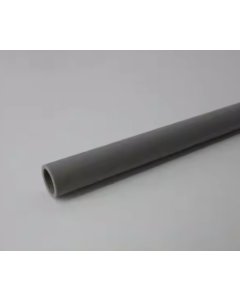
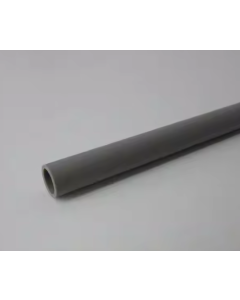
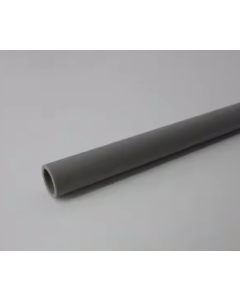
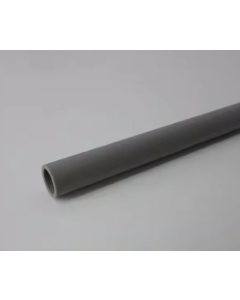
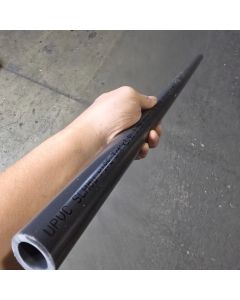
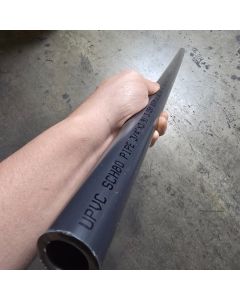
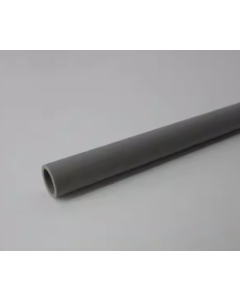
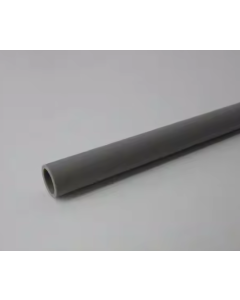
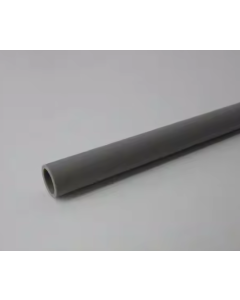
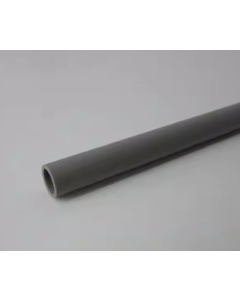
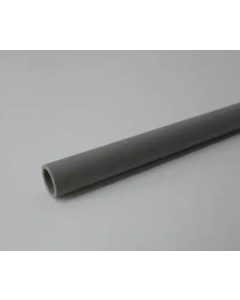
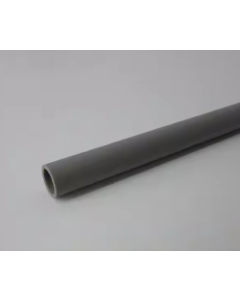
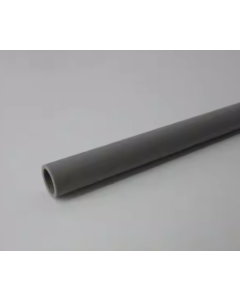
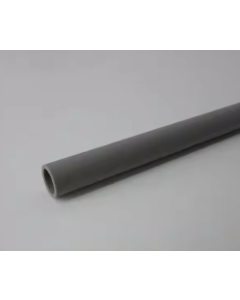
Schedule 80 PVC is usually gray to help distinguish it from white Schedule 40 pipe and to indicate its industrial-grade application. - Is Schedule 80 PVC more expensive than Schedule 40?
Yes. Due to its thicker walls, higher pressure rating, and industrial use, Schedule 80 PVC pipe costs more than Schedule 40. - Can Schedule 80 PVC be threaded?
Yes, Schedule 80 PVC can be threaded, but over-tightening can cause cracking. Threaded connections should be used carefully and sealed with PTFE tape or approved thread sealant. - What industries commonly use Schedule 80 PVC pipe?
Common industries include:
- Water treatment and filtration
- Reverse osmosis systems
- Chemical processing
- Agriculture and irrigation
- Aquaculture and hydroponics
- Industrial plumbing and manufacturing
Looking to Buy Schedule 80 PVC Pipes Online?
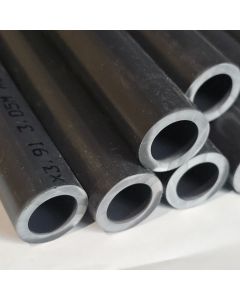
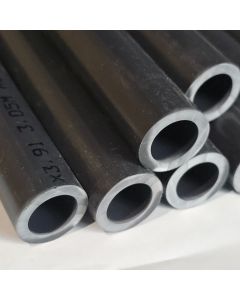
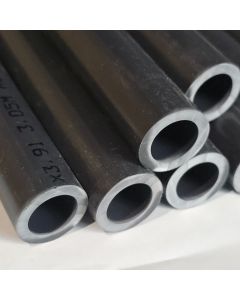
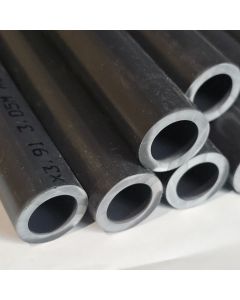
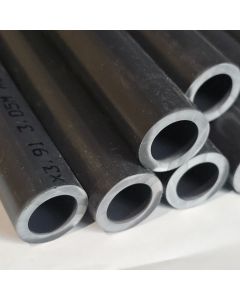
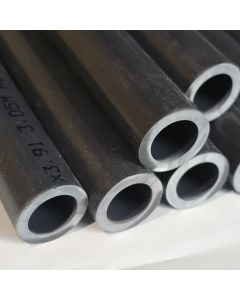
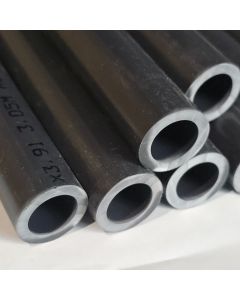
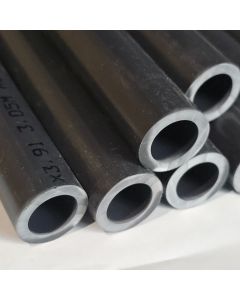
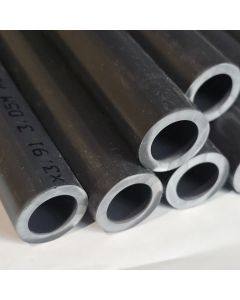
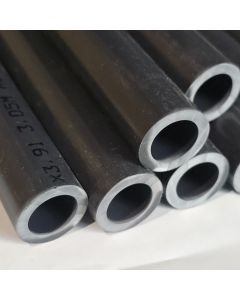
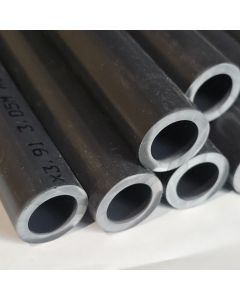
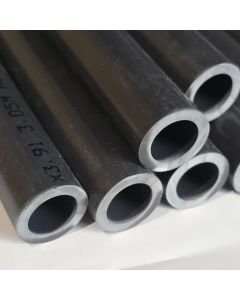
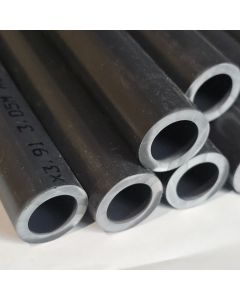
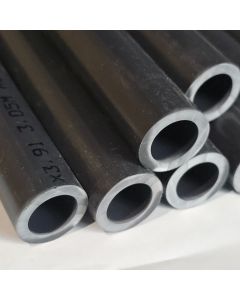
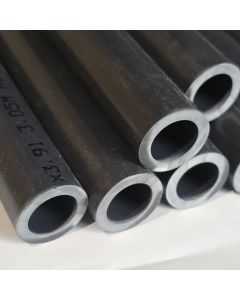
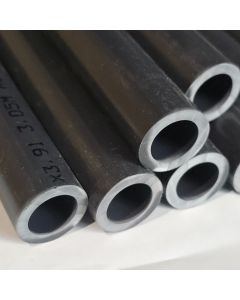
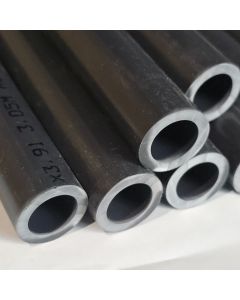
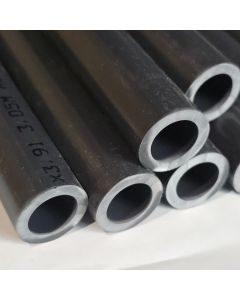
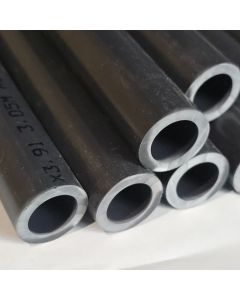
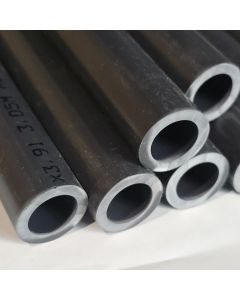
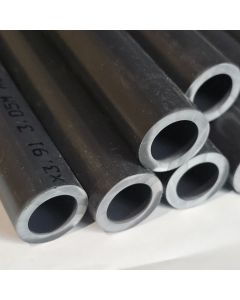
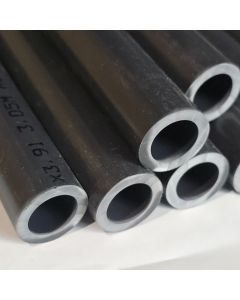
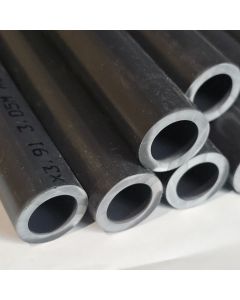
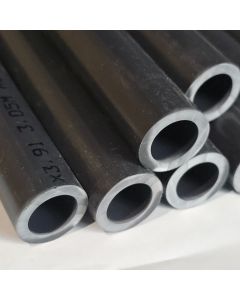
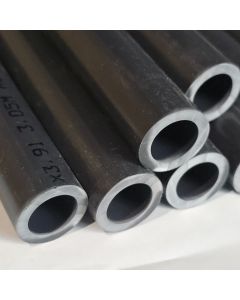
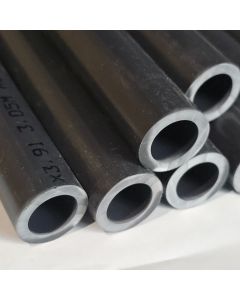
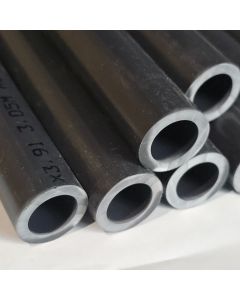
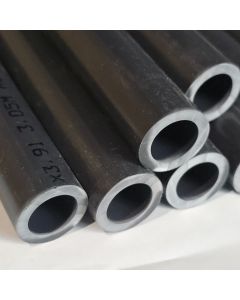
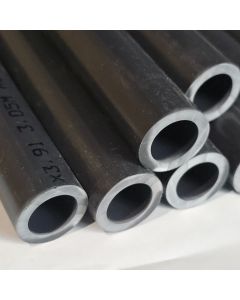
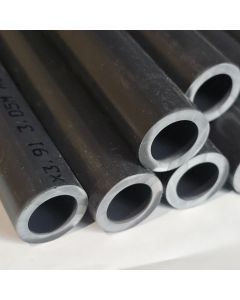
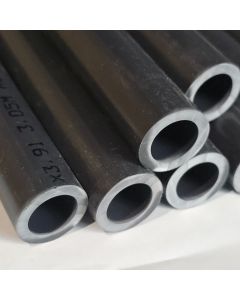
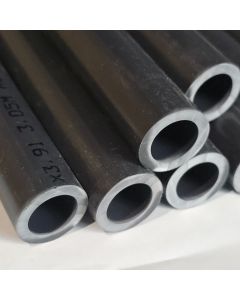
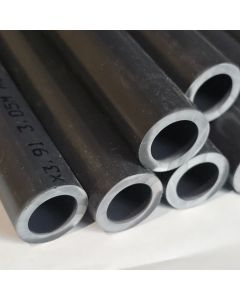
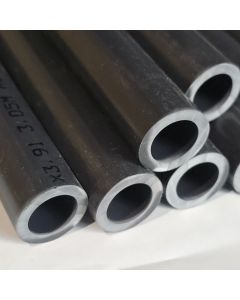
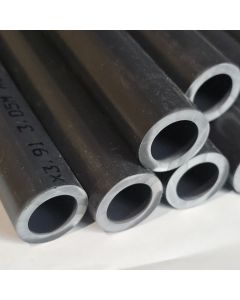
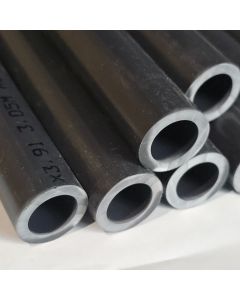
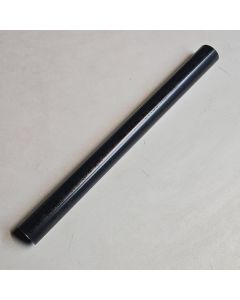
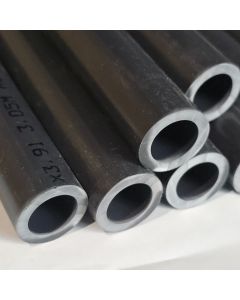
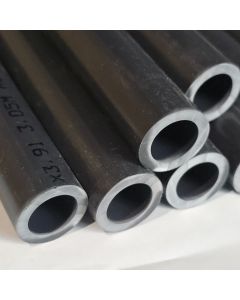
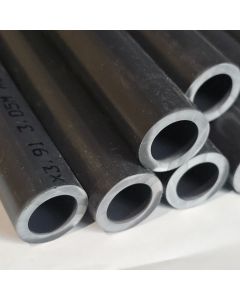
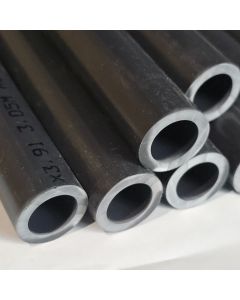
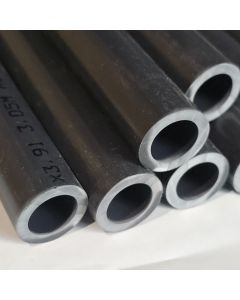
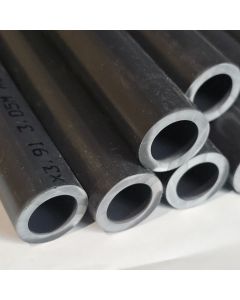
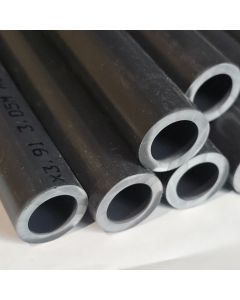
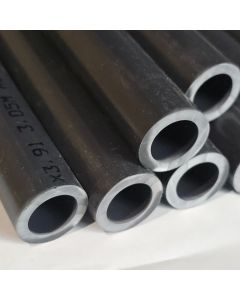
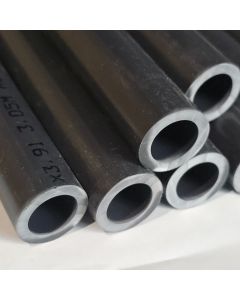
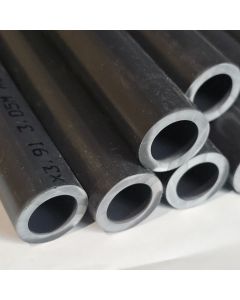
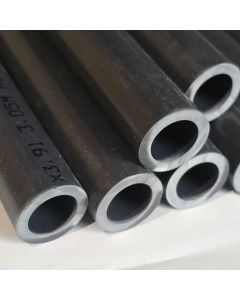
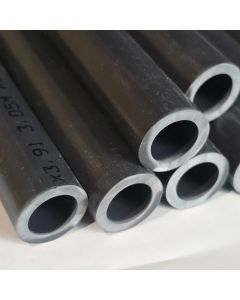
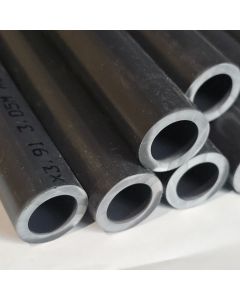
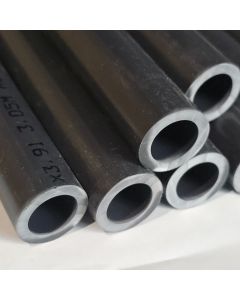
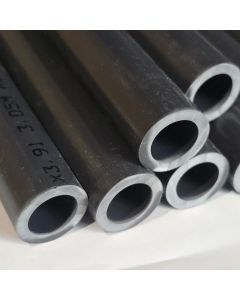
247Garden offers high-quality Schedule 80 PVC pipes built for demanding applications where strength, pressure resistance, and reliability matter. Manufactured to ASTM D1785 standards and NSF-61 certified, these pipes are approved for potable water and suitable for industrial, agricultural, irrigation, filtration, and water treatment systems.
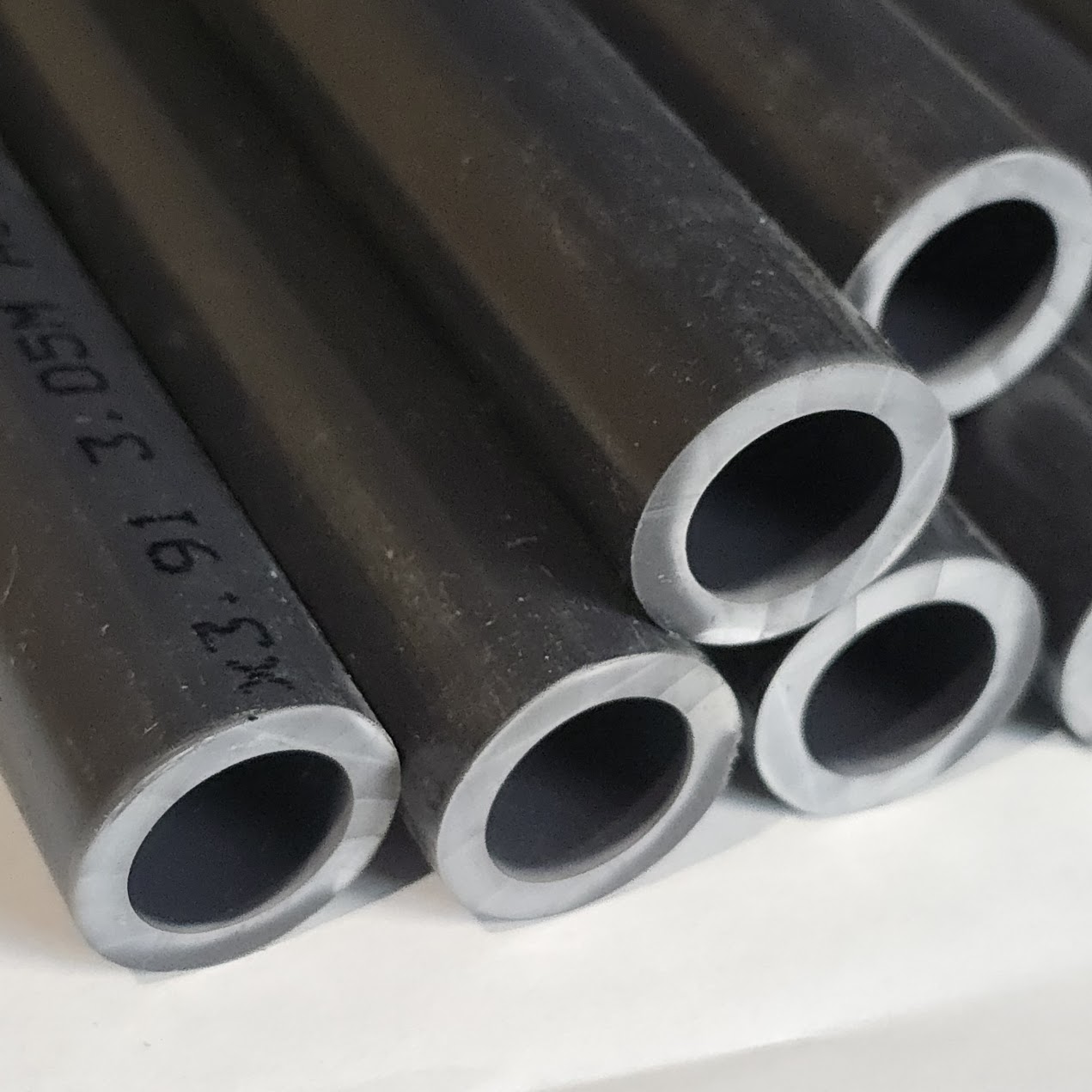
Available now in 1/2 inch, 3/4 inch, and 1 inch diameters, our Schedule 80 PVC pipes come in full 10-foot lengths and also support cut-to-size orders, helping reduce waste and shipping costs while meeting exact project requirements. The thick-wall gray PVC construction provides higher pressure ratings than Schedule 40, making it ideal for commercial and industrial use.
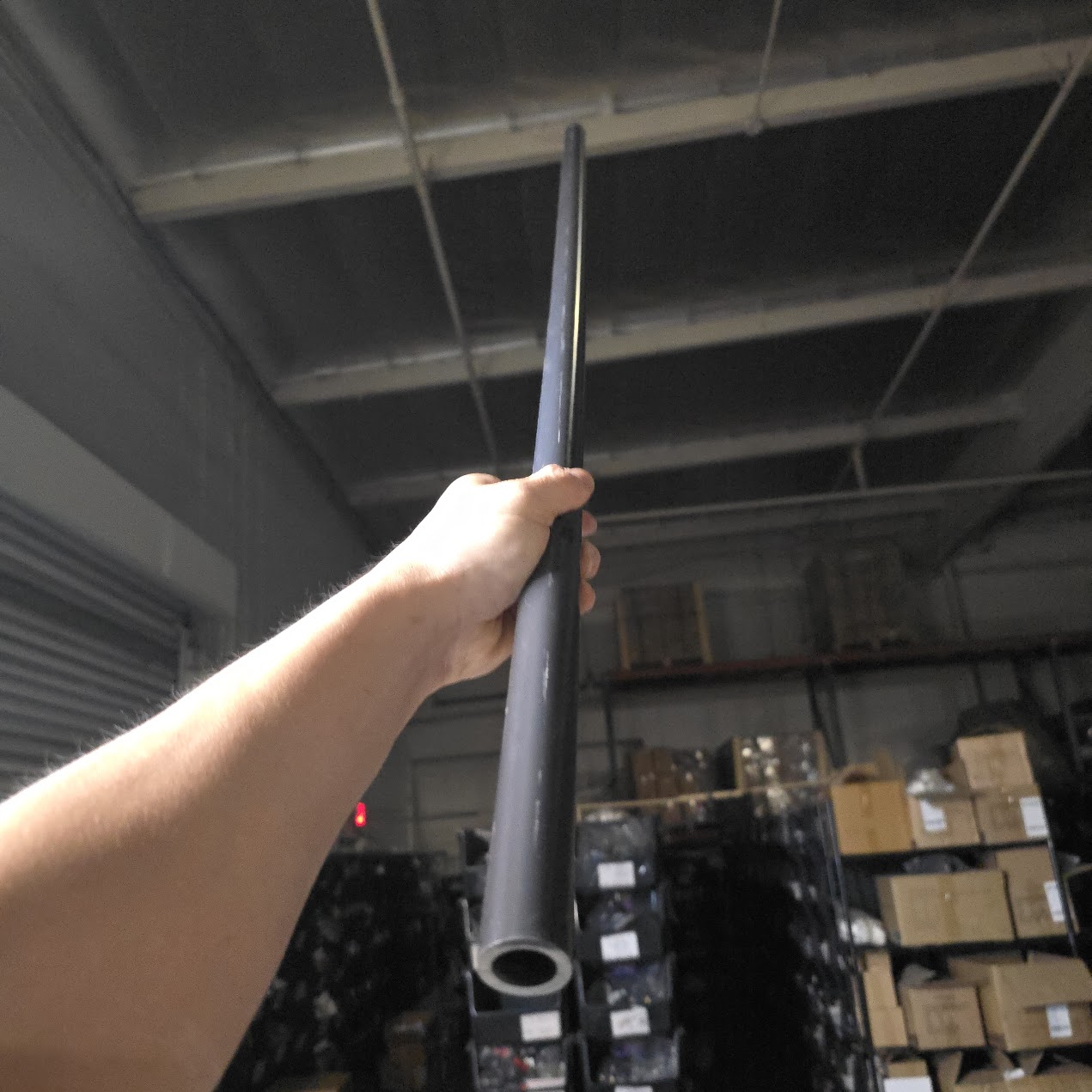
Whether you are building a new system or upgrading an existing one, 247Garden Schedule 80 PVC pipes deliver consistent performance, code compliance, and long-term durability you can trust.