How Union Ball Check Valves Protect Your System from Chemical Backflow
In many water systems, chemicals such as chlorine are added to disinfect, balance water quality, or support agricultural and irrigation needs. While these chemicals are essential for effective treatment, they can cause serious problems if they flow backward into pumps, wells, or upstream plumbing. A properly installed union ball check valve helps prevent chemical backflow, protecting both the water supply and critical equipment.
What Is Chemical Backflow and Why It Matters
Chemical backflow occurs when water in a system changes direction due to pressure loss, pump shutdown, or a drop in supply pressure. When that happens, water containing treatment chemicals can travel back into areas where chemicals should never be present. This can lead to contamination of clean water supplies, damage to plumbing and equipment, and potential health and safety concerns.
Preventing backflow is especially important in systems that use chemical injection, pellet feeders, disinfection systems, or nutrient dosing.
How a Union Ball Check Valve Works
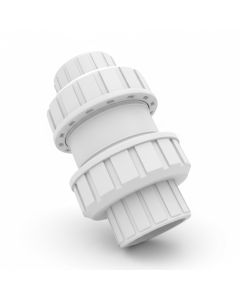
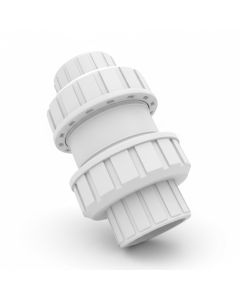
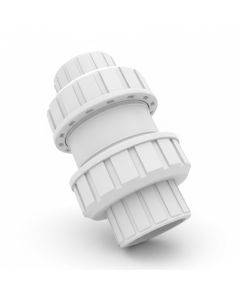
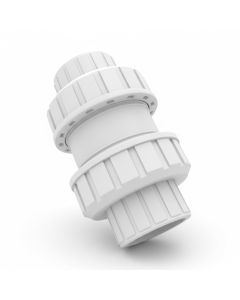
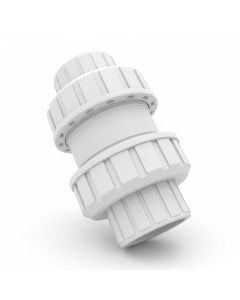
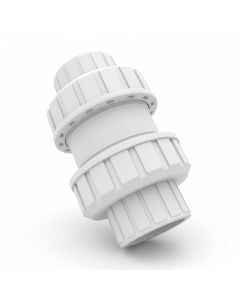
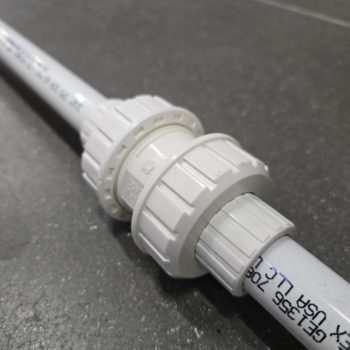
A union ball check valve allows water to flow in only one direction. Under normal operation, forward pressure moves a ball off its seat, allowing water to pass. If flow reverses, the ball drops back into its seat and forms a tight seal that stops backflow. The union ends on these valves make servicing and replacement easy, because the valve body can be removed without cutting or reworking the pipe.
Recommended Valve: 247Garden Union Ball Check Valves
For reliable backflow protection, the 247Garden Union Ball Check Valve is a strong choice. Available in sizes from 1/2 inch up to 2 inches, these check valves are made from durable Schedule 40 PVC and designed to work with standard PVC piping.
Key benefits of the 247Garden check valve include:
- True union connections for easy removal and maintenance.
- PVC construction that resists corrosion from water and many common treatment chemicals.
- A simple ball check mechanism that seals quickly and reliably against reverse flow.
- Options in multiple sizes to fit irrigation systems, well water systems, chemical feeders, and more.
Pair these valves with 247Garden Schedule 40 PVC fittings in matching sizes for a complete, compatible system.
Common Chemicals Protected by Check Valves
Union ball check valves are frequently used to prevent backflow of the following chemicals:
Chlorine and Sodium Hypochlorite
Used for disinfection in well water and irrigation systems. Backflow of chlorine can corrode pumps and contaminate untreated water.
Fertilizers and Nutrients
Used in fertigation and hydroponic systems. Reverse flow can introduce concentrated nutrients into clean supply lines.
Acids for pH Control
Chemicals like muriatic acid are used in pool systems and water treatment. Backflow can quickly damage metal components and fittings.
Iron and Sulfur Treatment Chemicals
Used in well water conditioning. Backflow can bring odors or staining agents into potable water lines.
Algaecides and Biocides
Used in ponds and agricultural water systems. Backflow can cause overdosing or unintended exposure downstream.
Why Backflow Prevention Is Important
Preventing chemical backflow helps protect your water source from contamination, which is especially important for private wells without municipal safeguards. It also extends the life of pumps, filters, and other components by keeping aggressive chemicals confined to their intended zone.
In many local codes, backflow prevention is required for systems that introduce chemicals. Even when not required by code, adding a check valve is a simple, low-cost way to reduce risk and improve system reliability.
Using 247Garden Check Valves with Schedule 40 PVC
247Garden Union Ball Check Valves should be installed in the intended flow direction and paired with quality Schedule 40 PVC fittings from 1/2 inch to 2 inches. Using compatible PVC couplings, elbows, tees, and adapters ensures a secure, leak-free installation that integrates well with existing water lines.
Because the union design makes future servicing easy, these valves are ideal for systems where access may be limited or regular maintenance is anticipated.
Conclusion
Chemical treatment is essential for effective water quality management, but it must be controlled so it doesn’t cause damage or contamination. A union ball check valve, such as the 247Garden model in sizes from 1/2 inch to 2 inches, provides dependable protection against chemical backflow. By preventing reverse flow of substances like chlorine, fertilizers, acids, and other treatment chemicals, these valves help safeguard equipment, water supplies, and overall system performance.
Installing the right check valve and maintaining it over time is a straightforward way to improve safety, reliability, and peace of mind in any water system.