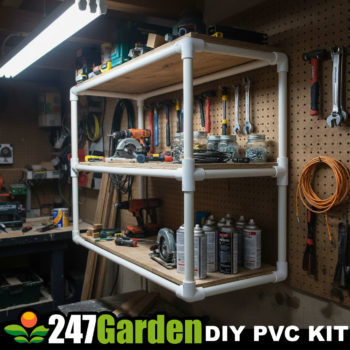
247Garden DIY PVC SHELVES
Got it. Let me rewrite the blog with cement as a required step so customers know the shelves must be permanently assembled for strength.
Build Strong and Affordable 2-Tier PVC Shelves with 247Garden Fittings
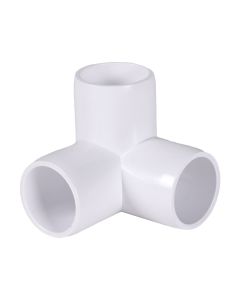
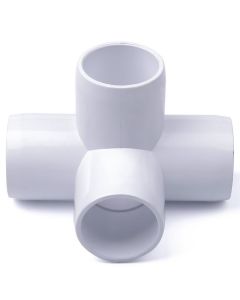
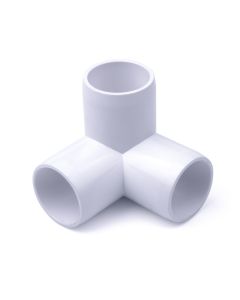
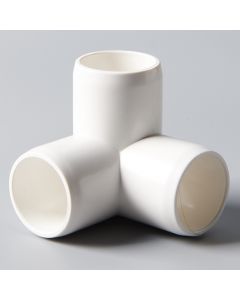
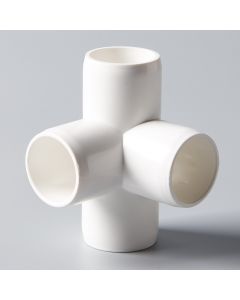
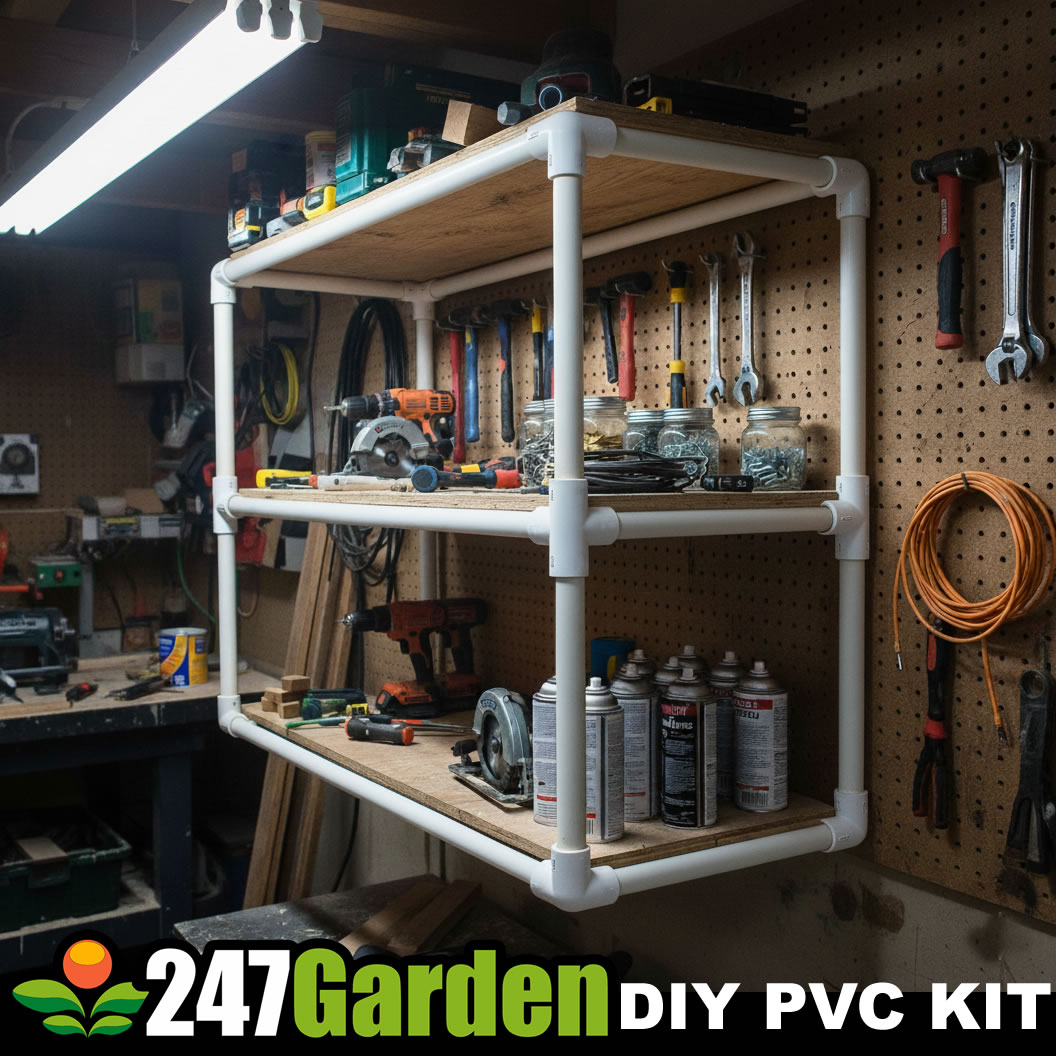
If you’re looking for a reliable shelving solution that’s affordable, durable, and simple to build, PVC is the answer. With 247Garden’s 3-Way 3/4" PVC Corner Fittings and 4-Way 3/4" PVC Fittings, you can create a sturdy 2-tier PVC shelving unit that holds up under everyday use. By cementing all joints, you ensure a long-lasting structure that will not wobble or come apart.
Why Build Shelves with PVC?
PVC is a trusted material in plumbing, known for its strength, weather resistance, and versatility. When applied to shelving projects, it offers:
- Durability – Strong enough to support heavy loads once cemented.
- Weather Resistance – Suitable for greenhouses, patios, or garages.
- Affordability – Costs far less than commercial shelving.
- Ease of Assembly – Simple cuts and fittings make it beginner-friendly.
Materials Required
To build your 2-tier shelf with 3/4" fittings, gather the following:
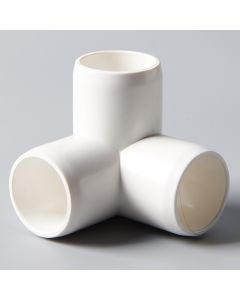
- 8 pcs – 3-Way 3/4" PVC Corner Fittings
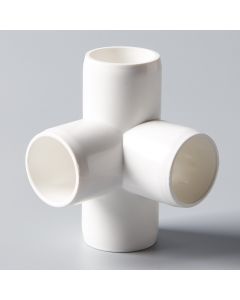
- 4 pcs – 4-Way 3/4" PVC Fittings (middle section supports)
- 3/4" PVC Pipe – cut to desired dimensions for width, height, and depth
- PVC Cement – required for all joints to guarantee strength
- Shelf Panels – plywood, wire rack, or plastic boards to set on each tier
Step-by-Step Assembly
- Build the Base Frame
- Connect four 3-Way Corner Fittings with horizontal PVC pipes to form a sturdy rectangle.
- Apply PVC cement at each joint immediately upon connection.
- Attach Vertical Supports
- Insert four vertical PVC pipes into the corners of the base.
- Connect the 4-Way fittings at the exact height where you want the middle shelf to rest. Cement all joints firmly.
- Build the Middle Shelf Frame
- From each 4-Way fitting, extend horizontal pipes to connect the unit’s sides.
- Apply cement to ensure a locked frame for your middle tier.
- Add the Top Section
- Continue with vertical pipes above the 4-Way fittings.
- Cap the structure with the remaining four 3-Way fittings and cement them securely.
- Install Shelf Panels
- Place your boards, wire racks, or panels on each tier.
- Secure them in place with screws, clips, or ties depending on the material.
Uses for 2-Tier PVC Shelves
Once complete, your shelf system is strong enough for a variety of uses:
- Greenhouses – Holding potted plants, seed trays, or growing equipment.
- Gardens & Patios – Displaying planters while keeping them elevated.
- Garages & Workshops – Organizing paint cans, tools, and supplies.
- Laundry Rooms or Storage Areas – Adding practical shelving where needed.
Why Trust 247Garden Fittings?
Our PVC fittings are plumbing-grade, built to ASTM standards, and engineered for strength and longevity. By combining 3-Way 3/4" Corner Fittings and 4-Way 3/4" Fittings with proper PVC cement, you get a rock-solid shelving unit that rivals many store-bought shelves at a fraction of the price.
Good question. Since your 2-tier PVC shelf is built with 3-Way and 4-Way fittings, it’s free-standing by default. But if you want to mount it securely to a wall, especially for heavy-duty or outdoor use, you’ll need to add support brackets or anchors. Here’s how you can do it professionally:
How to Mount a PVC Shelf to a Wall
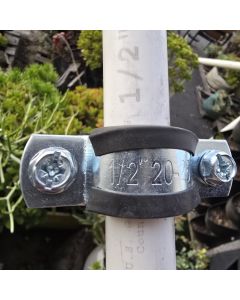
1. Use Pipe Straps (U-Clamps or Two-Hole Straps)
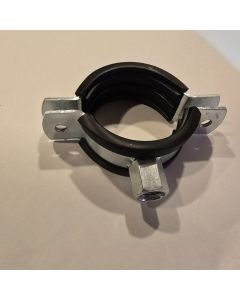
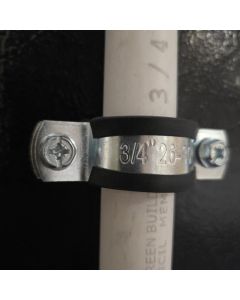
- Purchase 3/4" metal pipe straps (galvanized or stainless steel).
- Place them over the vertical PVC pipe and screw them directly into studs or masonry using wall anchors.
- Space them evenly—one strap near the bottom and another near the top of each vertical pipe is recommended.
- This method locks the PVC frame against the wall without putting stress on the shelf boards.
2. Add an Anchor Board
- Cut a piece of treated 2x4 wood the same width as your shelf.
- Mount the 2x4 securely into wall studs using lag screws.
- Then, screw the PVC shelf’s back horizontal pipes (from the top and middle tiers) directly into the 2x4 using pipe clamps.
- This creates a strong attachment point and spreads the load evenly.
3. Use Heavy-Duty Wall Brackets (Optional for Extra Support)
- If the shelf will hold very heavy loads, install L-shaped metal wall brackets underneath each tier.
- Attach the brackets to wall studs, then zip-tie or clamp the PVC frame directly onto the brackets.
- This ensures the weight of the shelf is transferred to the wall instead of only relying on PVC cement joints.
4. Secure the Shelf Panels
- If you’re using plywood or boards as shelf panels, screw them directly into the PVC frame.
- For wire racks, zip-ties or metal clips will hold them steady.
- Securing panels prevents shifting and makes the wall mount more stable.
Key Tips
- Always locate studs if mounting to drywall. PVC shelves must be anchored into solid framing for safety.
- Use masonry anchors if mounting outdoors to brick or concrete walls.
- Cement is required on all joints before mounting, so the shelf is one rigid piece.
-
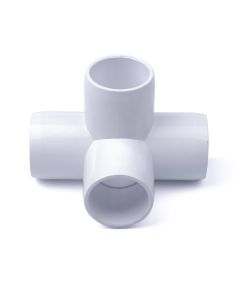 247Garden 1 in. PVC 4-Way Elbow+Tee Fitting - ASTM SCH40 Furniture-Grade ConnectorSpecial Price $1.25 Regular Price $1.75