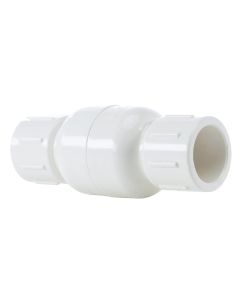
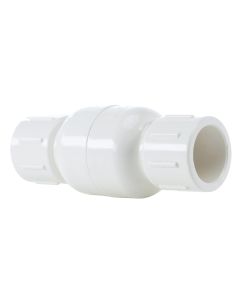
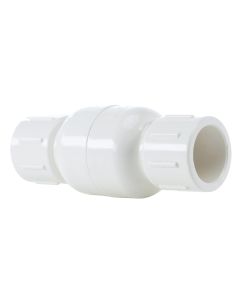
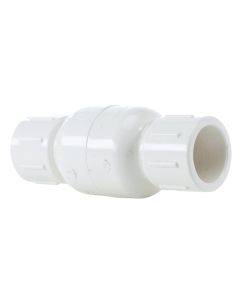
What's the difference between spring check valve and true union ball check valve?
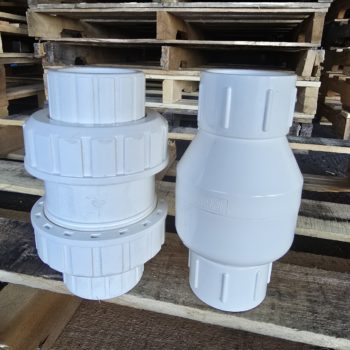
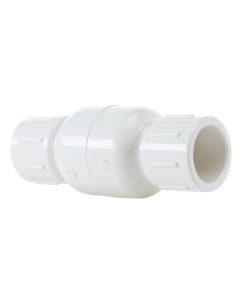
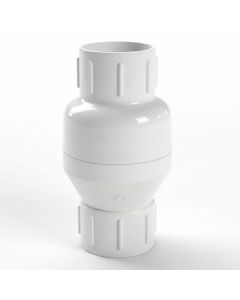
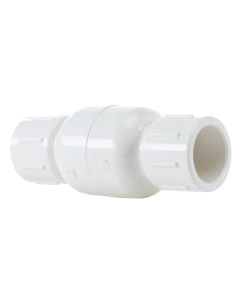
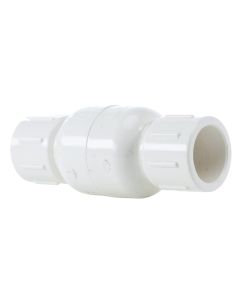
1. Spring Check Valve
Mechanism:
- Uses a spring-loaded disc or piston that opens when fluid flows in the correct direction and closes automatically when the flow stops or reverses.
Key Features:
- Quick response due to the spring.
- Can usually be installed in horizontal or vertical positions (check manufacturer specs).
- Often used in low-flow or low-pressure systems where immediate backflow prevention is needed.
Advantages:
- Fast shutoff reduces the chance of water hammer.
- Compact and efficient for small systems.
- Effective for clean, low-viscosity fluids.
Disadvantages:
- Spring can wear out over time.
- Not ideal for thick or debris-filled fluids.
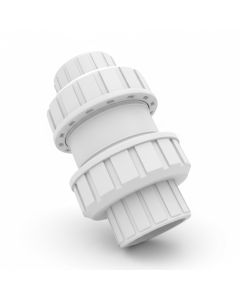
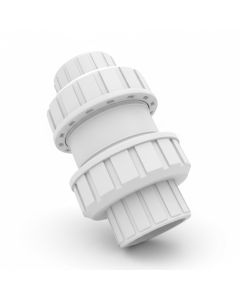
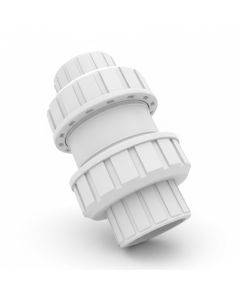
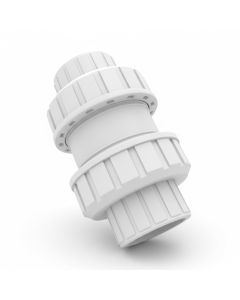
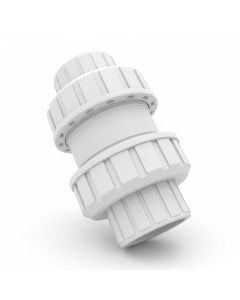
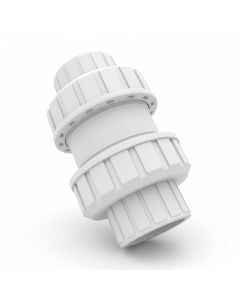
2. True Union Ball Check Valve
Mechanism:
- Contains a free-floating ball that moves with the flow. When fluid flows forward, the ball is lifted from the seat. When flow reverses, gravity or backpressure returns the ball to the seat to stop flow.
True Union Design:
- The union ends allow easy removal from piping for cleaning, inspection, or replacement without cutting pipe.
Key Features:
- Operates without a spring.
- Best installed vertically with flow going up.
- Handles thicker or contaminated fluids better due to the simple ball mechanism.
Advantages:
- Easier to maintain thanks to the union design.
- Fewer moving parts, so less wear and tear.
- Better suited for dirty or viscous fluids.
Disadvantages:
- Slower to close than spring types.
- Depends on gravity or pressure for sealing, so not ideal in all orientations.
Related Products